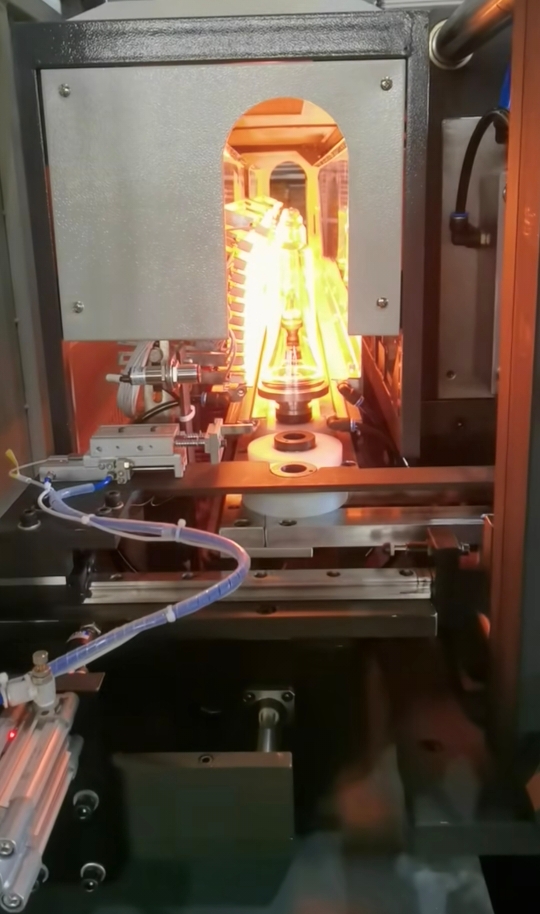
Getting Your SACMI Blow Molding Machine Up to Speed
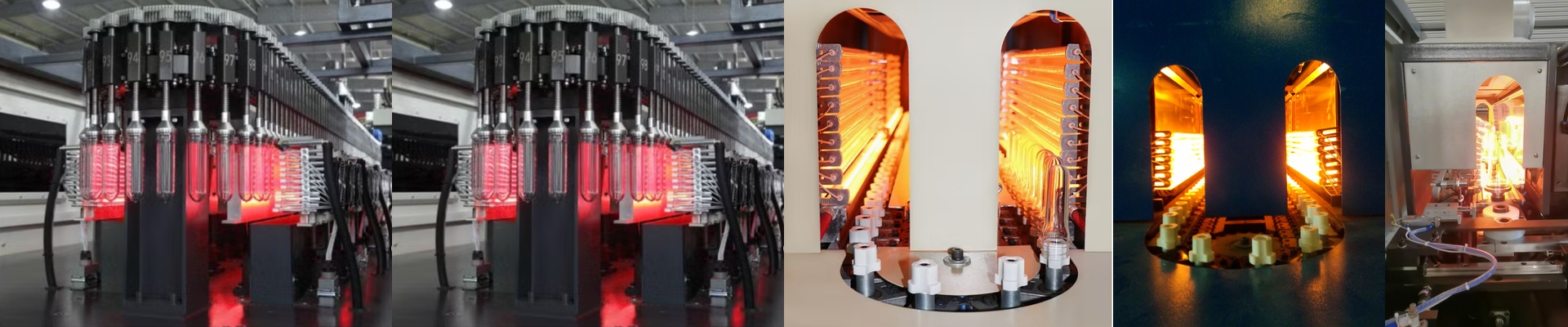
When you’re running a SACMI rotary machine, everything happens fast. Like, really fast. In this environment, a few milliseconds of lag in your heat delivery isn’t just a technical glitch—it messes with the temperature of your PET preforms and ruins your consistency. That’s why we built our infrared radiators to keep up. We focused on short-wave emission and a thermal response that doesn’t hesitate.
Heat that actually hits the mark
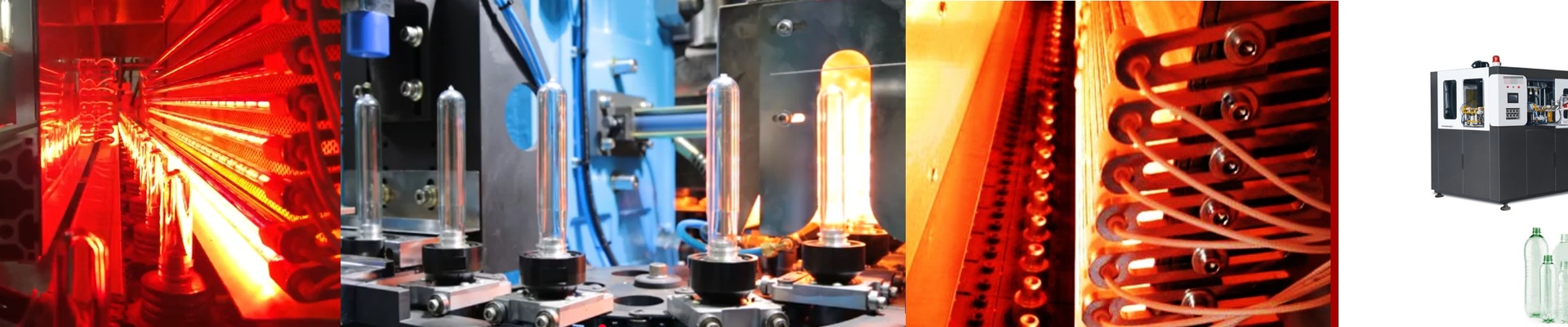
To get your temperature where it needs to be without the wait, we went with high power density. By using a short-wave quartz filament, the radiator hits its operating temperature almost the second you flip the switch. No more sitting around waiting for the system to “warm up” like those old long-wave setups. The heat goes straight into the PET material. You aren’t wasting energy heating up the air in the oven; you’re heating the product. Simple as that.
Built to just… work
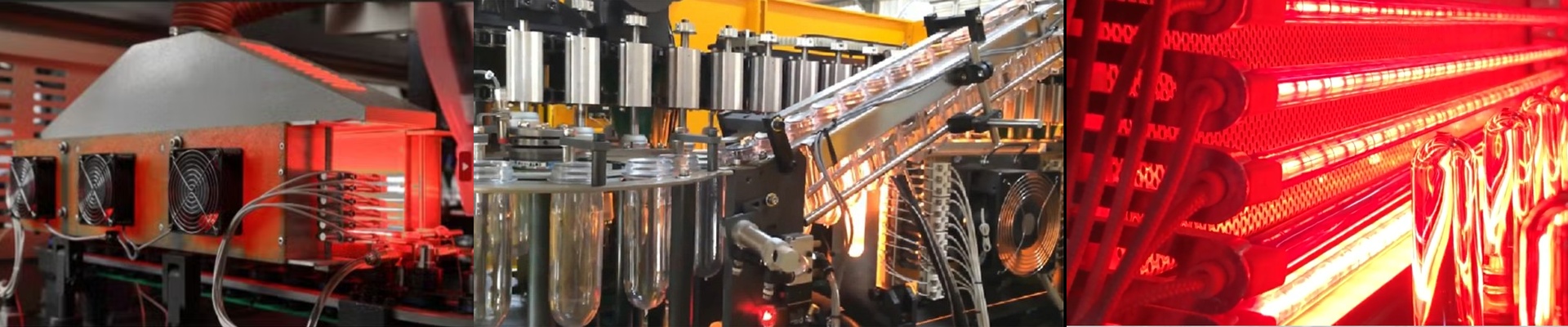
We designed these to be drop-in replacements for SACMI and Sidel setups. No hacking, no fuss. We also obsessed over the connectors. Why? Because a loose connection leads to arcing, and arcing leads to your lamps burning out way too soon. We use high-purity quartz glass to keep the filament from oxidizing, which means the tubes actually last, even when you’re cycling the power constantly.
A word of caution
Here is the thing: this kind of heat is aggressive. It’s powerful, which is great for throughput, but it’s not forgiving. If your conveyor timing is off by even a tiny fraction of a second, you’re going to scorch the plastic. You’ll need to spend a little time dialing in your airflow and belt speed to make sure they’re in sync with the lamp’s output. It’s a balance, but once you hit it, it’s smooth sailing.
Why this matters for your day
The real win here is in the downtime. These lamps make machine change-overs way faster. You spend less time idling during start-up and more time actually producing. Plus, we worked hard on the electrical stability of the filament. You won’t see that annoying “drift” in bottle quality that happens when cheaper lamps start to degrade. The heat stays constant, cycle after cycle, so your bottles look the same at the end of the shift as they did at the start.