Why Fast Response Times Actually Lower Your Energy Bill
If you’re looking for a replacement infrared heater for a rotary oven, you’ll see “response time” listed on the spec sheet. Most people just glance past it. They think it’s just a technical detail. But here’s the thing: that number is what actually decides how much you’re paying the electric company every month. A lot of folks think the secret to saving energy is just picking a lower wattage. That’s not really how it works. The real trick is how quickly the heater hits the right temperature and—more importantly—how fast it shuts up.
The problem with “heavy” heat
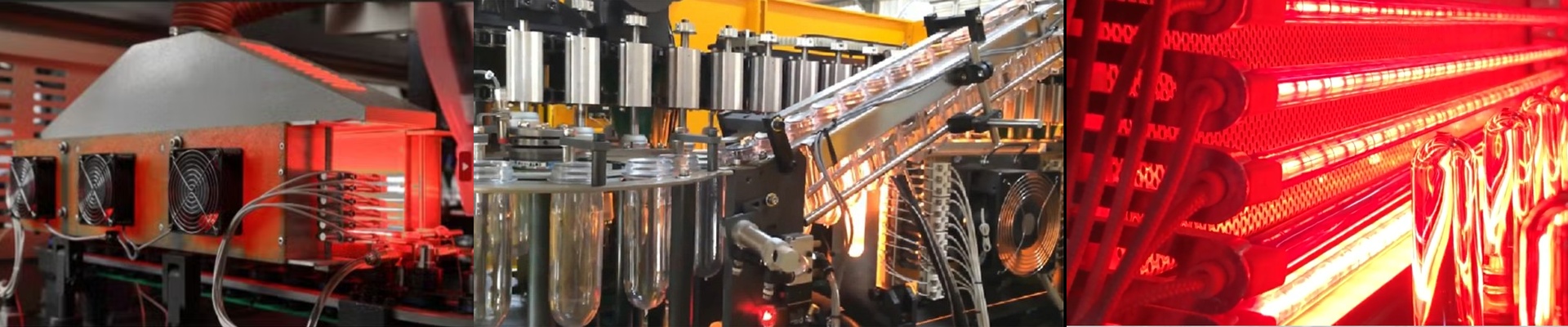
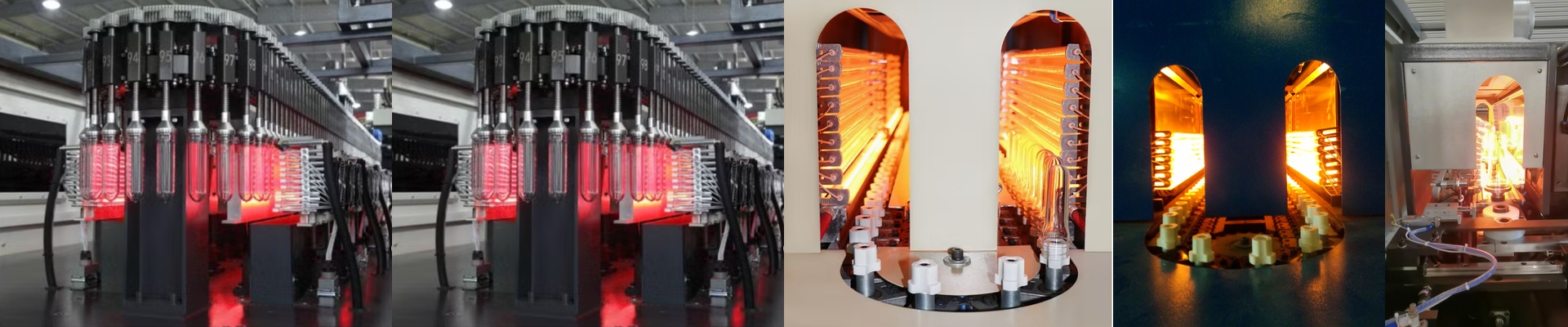
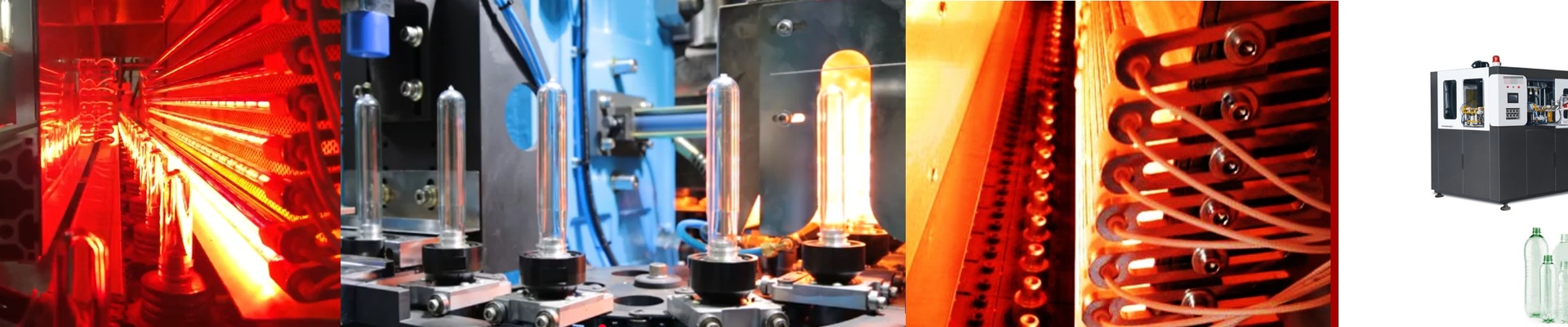
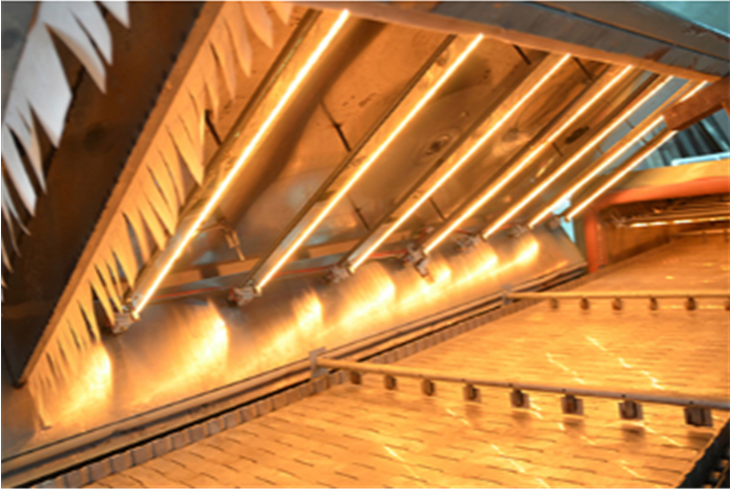
Old-school heating elements have a lot of thermal mass. They’re slow to warm up, and they’re even slower to cool down. Even after your controller tells the heater to stop, the element keeps dumping heat into the oven. It’s like trying to stop a freight train; it doesn’t just freeze on a dime. You end up wasting a ton of power on heat that the food can’t even use. We handle this with short-wave infrared. We use a low-mass quartz filament that hits full power in a few seconds. When the oven reaches the set point, the power cuts off instantly. No drifting. No wasting kilowatts.
Fitting it in
You can’t just throw any lamp in there. A drop-in replacement has to match your voltage and wattage, otherwise you’re looking at blown fuses or undercooked food. And a quick heads-up: if you decide to go with a higher density lamp, double-check your wiring. These high-wattage tubes put out some serious, concentrated heat. You want to make sure your oven’s frame and vents can handle that kind of beating without warping.
The trade-off
Nothing is perfect. Because these fast-response lamps run at higher surface temperatures, the quartz envelope takes a bit more of a beating than a slower heater would. You get the precision and the lower bills, but you might find yourself replacing them a bit sooner. A pro tip? Keep the tubes clean. If you let corrosive cleaning chemicals build up, you’ll get hotspots, and that’s the fastest way to burn a tube out.