Why the Best Bakers are Switching to Infrared
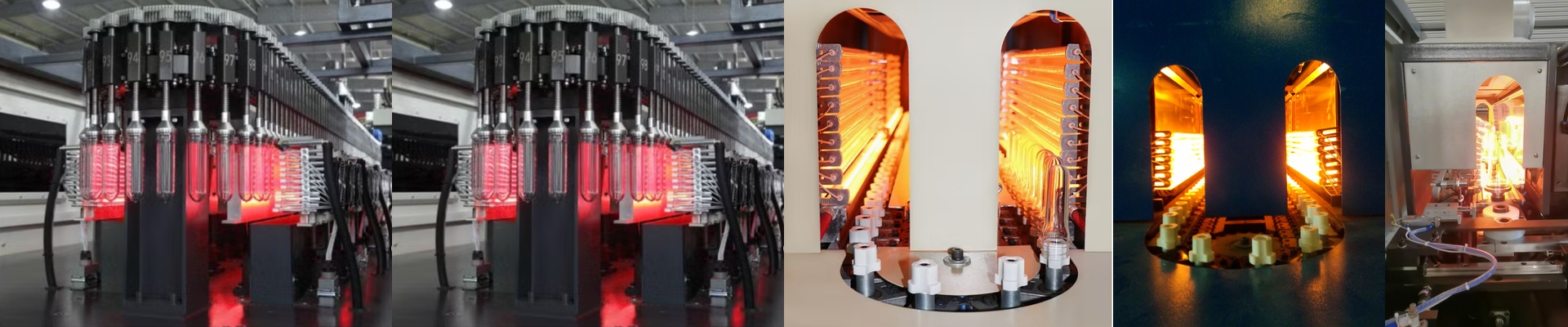
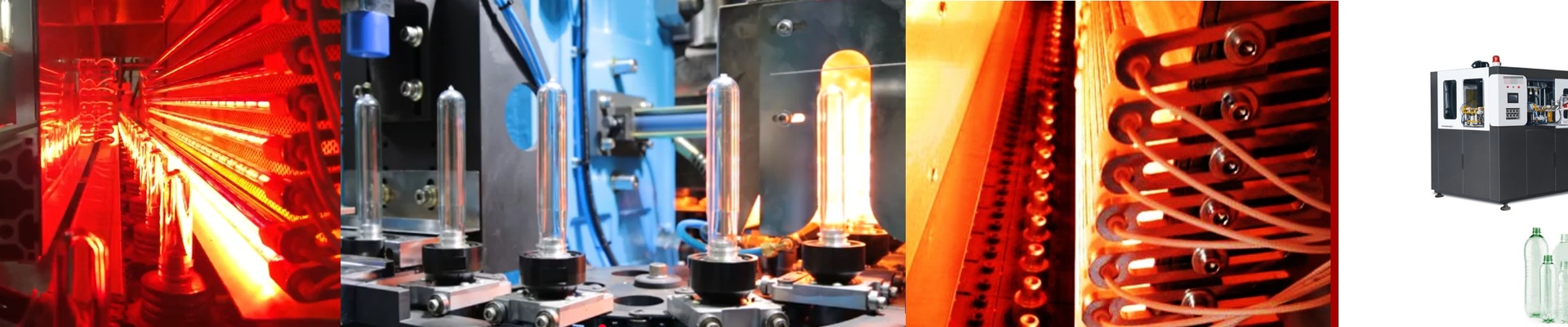
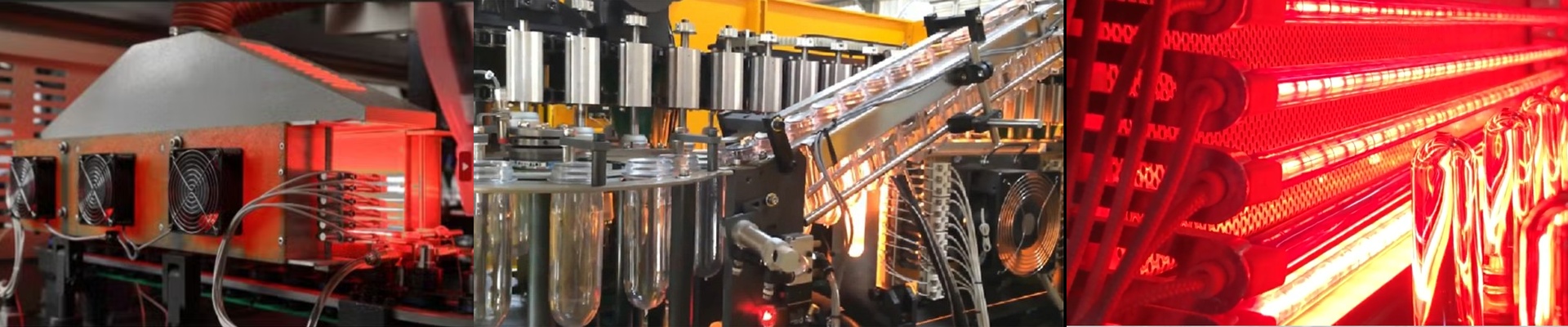
Most ovens just heat up the air and hope for the best. But air is slow. It lingers. That’s why we put linear infrared heaters inside our professional ovens. Instead of waiting for the air to warm up, we send radiant energy straight into the dough. It’s a shortcut. You get a faster crust set and a much better “oven spring”—that beautiful rise that makes a loaf look professional. The secret is in the heat Think of it like the sun on your skin. You don’t need a breeze to feel the warmth; you just feel it instantly. Infrared works the same way. It penetrates the surface of the bread the second it hits. The best part? You can control the top and bottom heat separately. If you’re baking a sourdough and want that deep, dark, caramelized crust on top without turning the bottom into a charcoal brick, this is how you do it. What’s under the hood We use quartz-glass tubes with tungsten filaments. For the big industrial setups, we bump up the voltage. It keeps the current steady across those long spans so the heat stays even. We also use R7s or SK15 connectors because, let’s be honest, ovens vibrate. You need a fit that isn’t going to wiggle loose while you’re mid-bake. We even add a special coating to the quartz. It sounds like a small detail, but it changes how the energy hits the wheat. Instead of the heat bouncing off the dough, the coating forces it into the bread. The honest trade-offs Now, this kind of power isn’t free. High-wattage heaters move a lot of heat, which is great for getting more bread out the door, but it’s tough on the electronics. If you’re running 2000W+ tubes, you can’t cut corners on the control board. You need high-quality Solid State Relays (SSRs). Cheap ones will just fry under the constant switching needed to keep the temperature exact. And one more thing: when infrared hits dough, the moisture leaves the bread fast. You’ve got to make sure your venting can keep up, or you’ll just be steaming your bread instead of baking it.