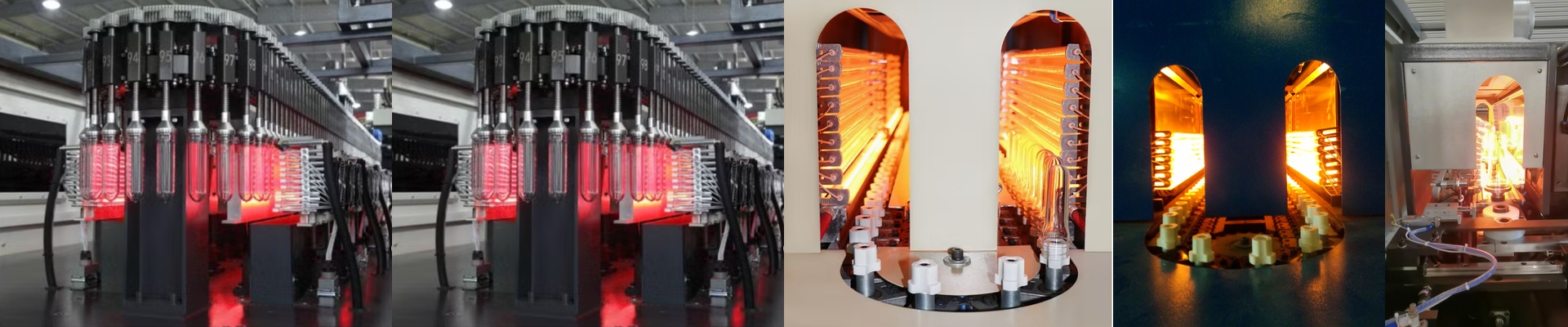
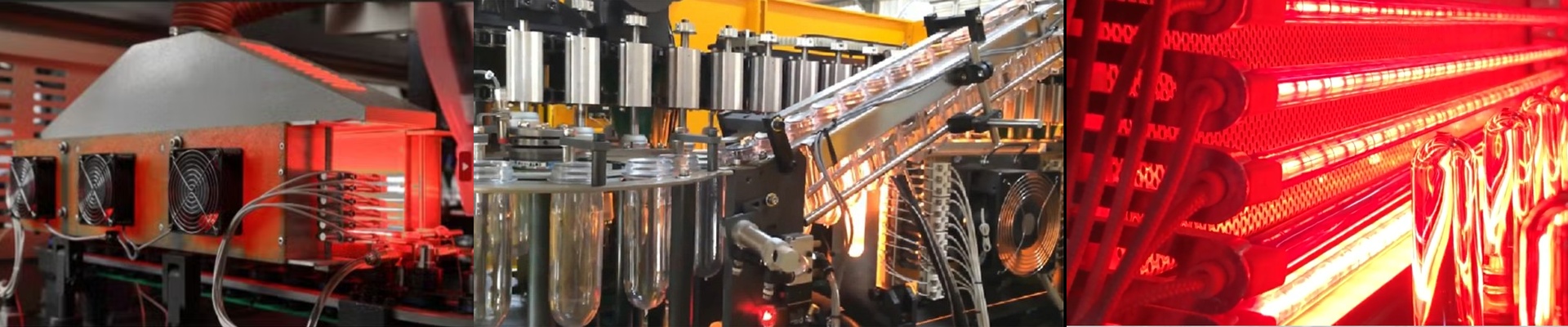
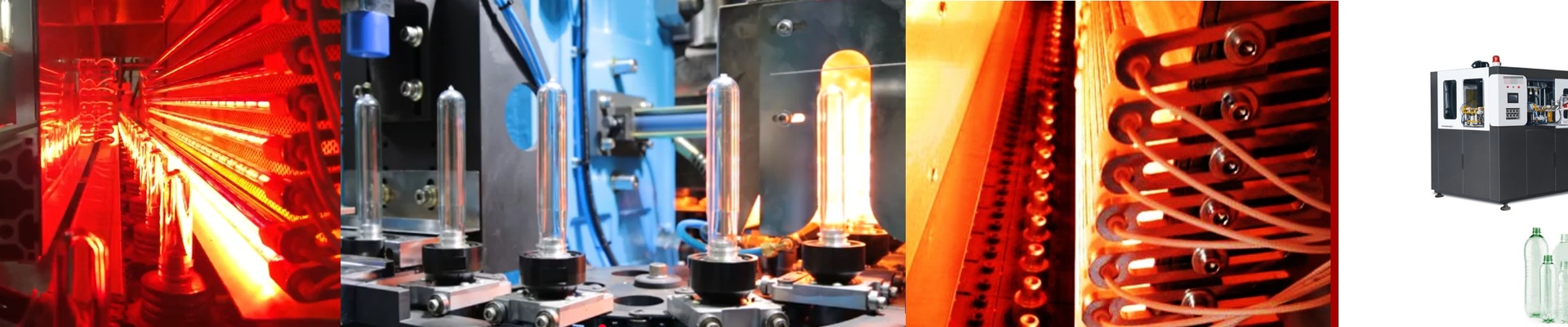
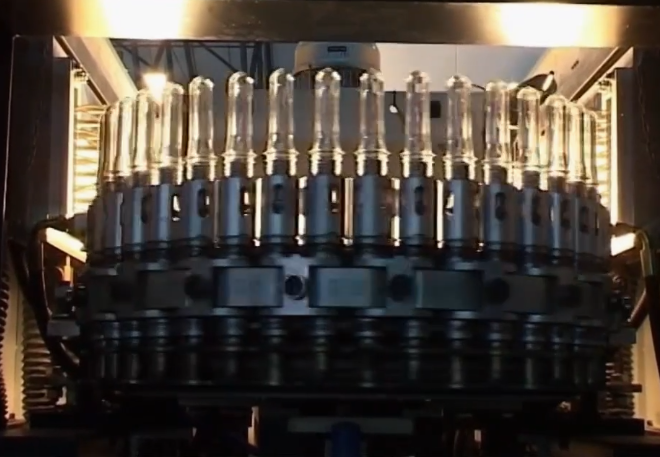
On the plant floor, every minute of unplanned downtime on your Sidel Matrix blow molder is money out the door. Preform heating drift, inconsistent bottle weight, and lamps that go down without warning—those issues force stops, generate scrap, and push you into overtime. More often than not, the root is the heating system: emitters that aren’t matched to the job, power delivery that wanders, and connectors that don’t sit right in the machine. You need a replacement that drops in clean, heats precisely, and keeps the line turning. Here’s what matters technically. We build the Sidel Matrix blower infrared radiator as a direct-fit, OEM-spec emitter—engineered specifically for the Matrix heating tunnel geometry and power profile. It uses short-wave quartz infrared technology, tuned to the absorption curve of PET preforms, so the surface heats fast and the core reaches stretch temperature without overheating the neck. The lamp body, reflector geometry, and R7s connector are matched to the Sidel Matrix interface, so installation is a straight swap—no rewiring, no bracket fabrication. Power density is calibrated to hold stable temperature across the preform wall, which helps reduce thin spots, crystallization, and haze. In stretch blow molding, repeatable heating is what gives you repeatable output. This radiator stabilizes preform temperature, which can shorten cycle time and cut rejects on the same machine. You see more consistent bottle weight, fewer pinholes, and less downtime tied to lamp changes. Energy use drops because the emitter heats on demand and holds setpoint without overshoot. For plants running 24/7, that means higher uptime, maintenance windows you can actually plan, and a lower cost per thousand bottles. Match the lamp to the machine. Confirm the exact Sidel Matrix variant, the tunnel configuration, and the voltage at the terminal. Infrared emitters are sensitive—alignment and reflector cleanliness matter. A mis-seated lamp or dirty reflector will skew the heating profile and shorten service life. Plan replacements during scheduled stops, keep spare connectors on hand, and verify cooling airflow to the lamp socket. Set it up right, and you’ll get consistent output over thousands of hours—then a straightforward swap when it’s time.