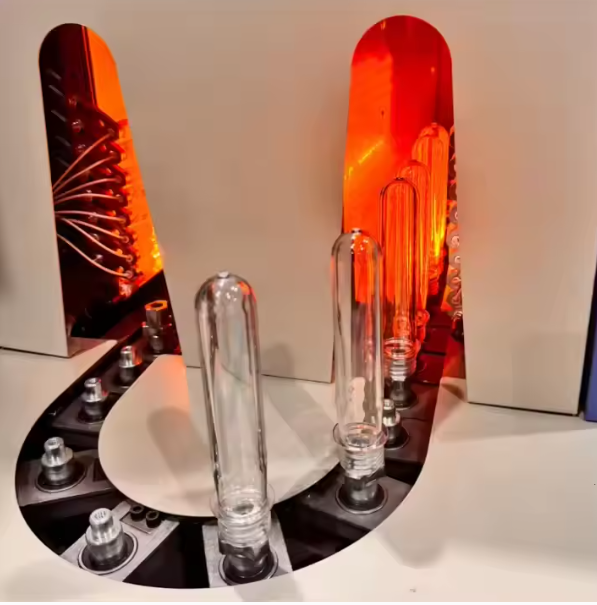
Getting the Heat Right for PET Preforms
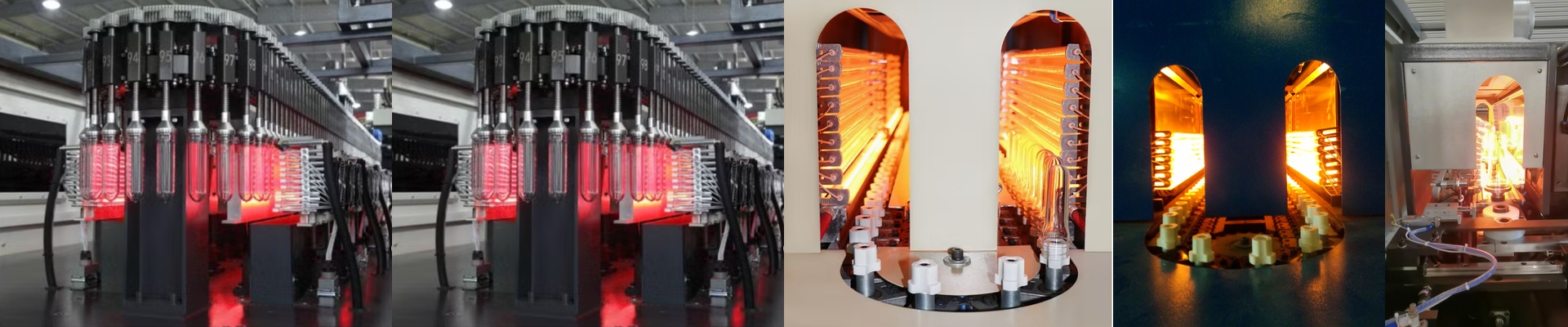
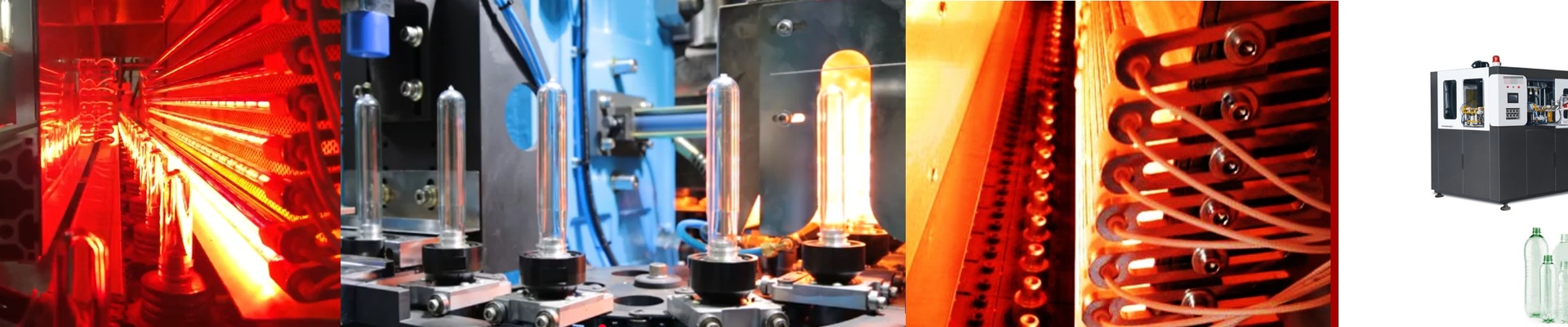
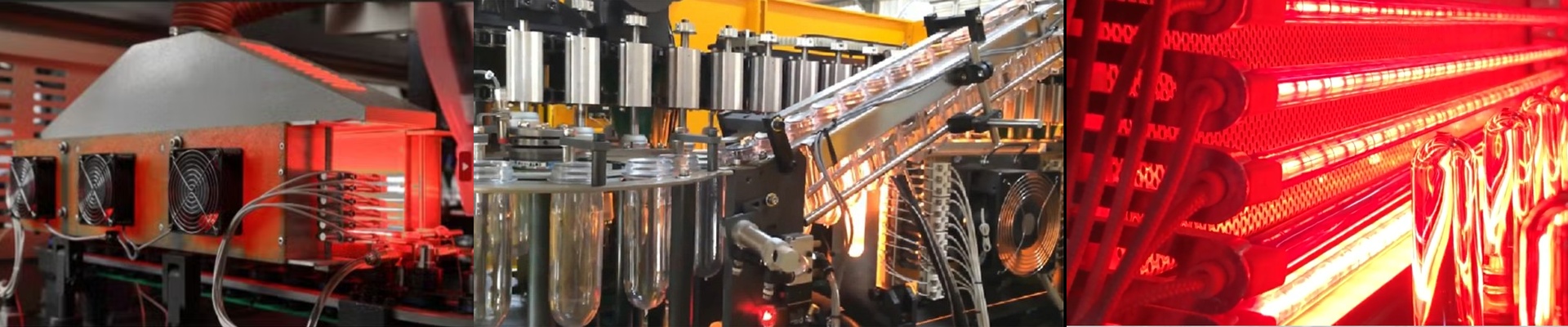
If you’re running a Sidel Combi SF300 or a Husky HyPET, you already know the headache. It’s all about heat penetration. You need that infrared energy to soak deep into the core of the preform, but you have to do it without torching the outside. It’s a delicate balance. That’s exactly why we build our lamps the way we do. The trick to getting deep heat Most lamps just bounce off the surface of the PET. That’s a problem. We use a specific short-wave infrared spectrum—basically tuning the tungsten filament and quartz envelope—to push the heat further into the plastic. We’re aiming for high wattage density. Because if the frequency is off, you end up with those annoying “cold spots” in the bottle base. Then you’re stuck with uneven walls after blowing, and that’s a waste of everyone’s time. The hardware side of things These are simple drop-in replacements. We make them fit the OEM footprint exactly, so you aren’t fighting with alignment when you’re trying to get a changeover done quickly. We also use heavy-duty quartz. High-speed lines are brutal on gear, and these lamps have to survive constant thermal cycling without cracking. Plus, the connectors are a precision fit. No arcing at the terminals, even when you’re pushing the system to its limit. A quick word of caution Here’s the thing: high-penetration lamps put out a massive amount of heat. Sure, that cuts your cycle time, but it puts a lot more pressure on your oven’s cooling fans. You can’t just swap in a higher-output lamp and call it a day. You’ve got to make sure your airflow can actually handle the extra heat inside the chamber. If the cooling isn’t up to the task, you’re looking at burnt-out lamps or warped reflectors. Not a fun way to spend a Tuesday. We keep things simple. You get the raw thermal power you need to keep your production moving fast, without any of the fluff.