Stop Waiting on Your Oven: A Quick Fix for Slow Preheating
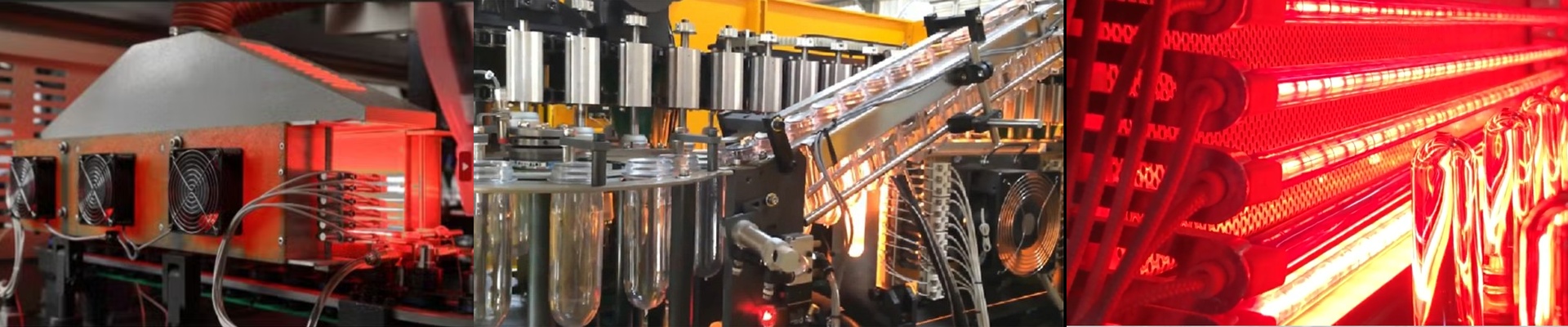
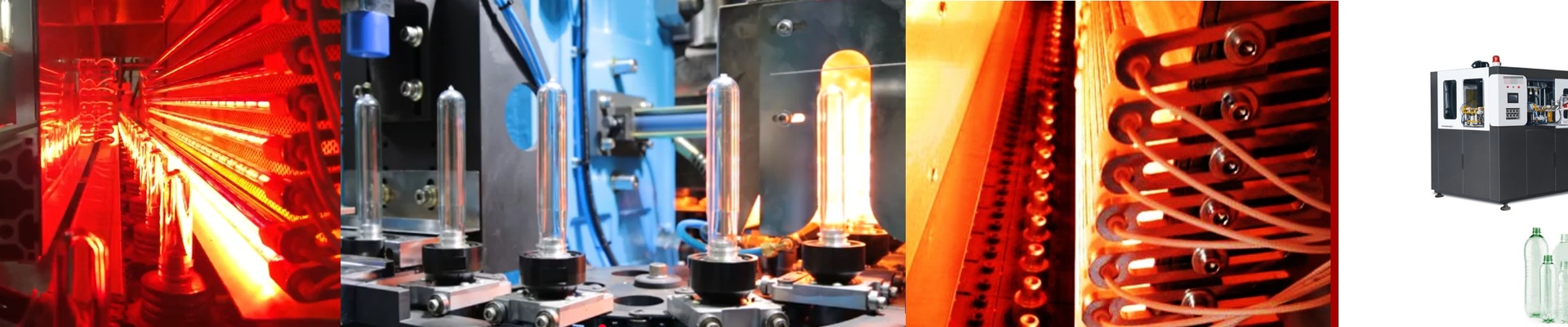
Ever feel like you’re just standing around waiting for your convection oven to actually get hot? It’s frustrating. When your preheating takes forever, your whole production line slows down, and you’re losing money every minute that oven is just “warming up.” The trick to fixing this is adding some 110V short-wave infrared (IR) lamps into the mix. Here’s the thing: convection heat is slow because it has to warm up the air first. IR is different. It doesn’t mess around with the air; it beams energy straight into the product. It’s like the difference between warming up a room with a heater and stepping into the sunlight on a cold day. You feel it instantly.
How it actually works
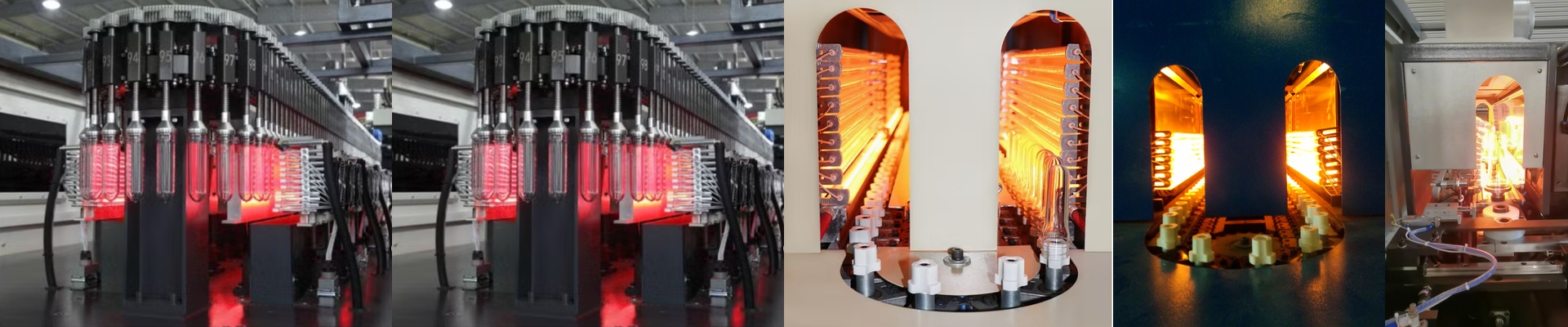
We use 110V lamps because they play nice with the low-voltage controls you probably already have in your baking line. By tucking these lamps into the ceiling or along the sides, you’re basically giving your oven a turbo boost. The convection air keeps the general temperature steady, but the IR lamps provide that initial “punch” to get you to your target temp fast. Your workflow suddenly feels tighter. No more pacing the floor waiting for the beep.
What’s inside the bulbs?
These aren’t your average lightbulbs. They’re made of high-purity quartz glass with a tungsten filament, usually filled with halogen gas. That gas is key—it keeps the filament from burning out too quickly and cranks up the heat density. But a word of warning:watch your spacing. Because this heat is so intense, if the lamps are too close to your bread, you’ll end up with a burnt crust while the inside is still raw dough. You have to find that sweet spot.
The trade-offs (Because nothing is perfect)
If you’ve got the right sockets, dropping these in is pretty easy. You’ll notice your cycles are faster and your crusts get a much better color. But keep in mind, IR lamps don’t last as long as those heavy-duty heating coils. You’ll be swapping them out more often. It’s just part of the deal. Also, double-check your control board. Make sure it can handle the extra current draw, or you might end up frying your relays. Not a fun way to spend a Tuesday.