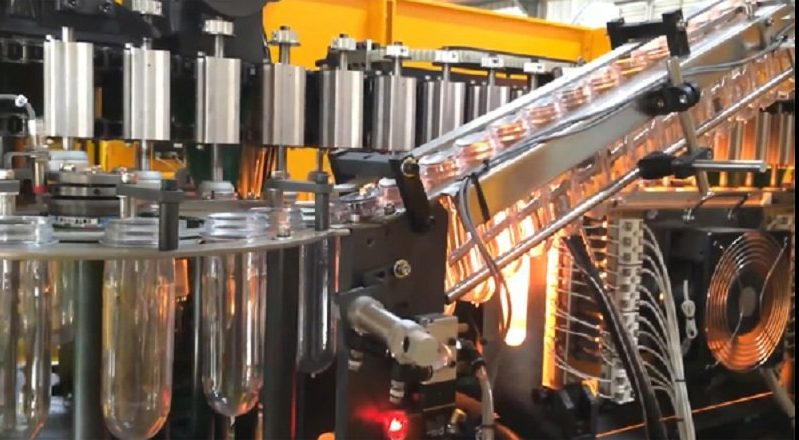
Getting the Heat Right for Husky HyPET Systems
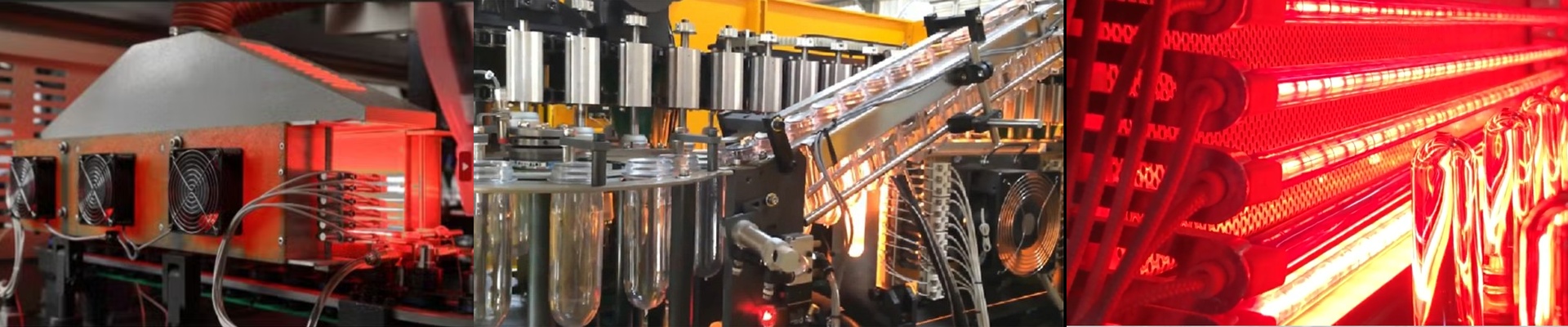
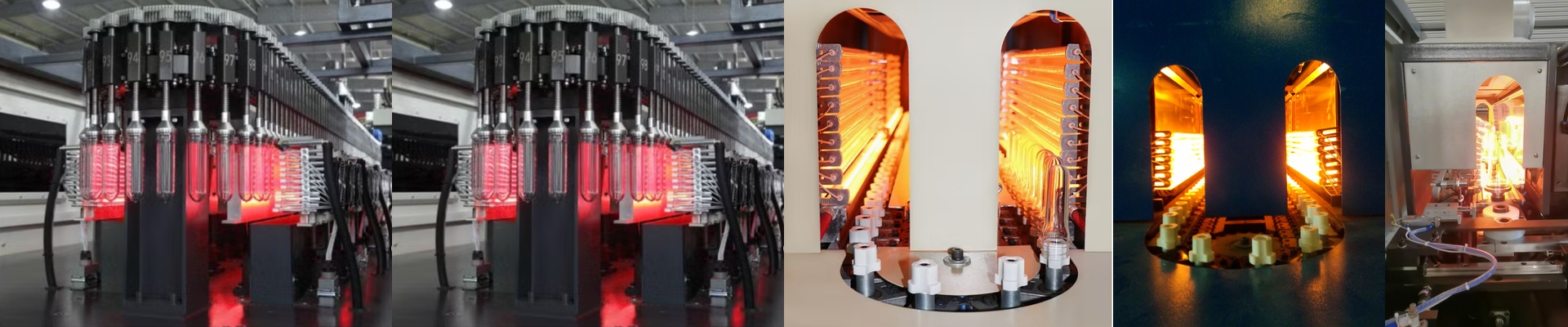
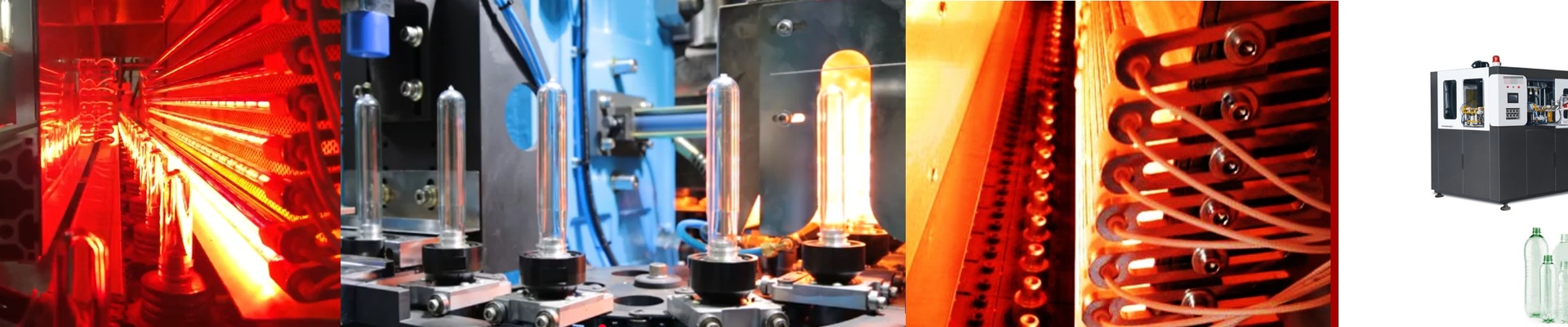
If you’ve ever struggled with PET preforms, you know the frustration. You need them hot, but not scorched. It’s a balancing act. Most people think you just need more wattage, but that’s not how it works. If the heat just bounces off the surface, you’re wasting energy. We focus on getting the heat to actually sink into the plastic. We’ve tweaked our lamps to hit the exact infrared spectrum that PET actually absorbs. It’s the difference between a heat lamp that warms your skin and one that warms your bones. The Power Struggle To keep your cycle speeds where they need to be, we use high-voltage, high-wattage output. A high-density tube gives you a concentrated blast of heat, which gets the preform to its glass transition temperature way faster. But here’s the thing: you can’t just crank the dial to eleven. If you push too much wattage without a cooling system that can handle the kilowatt load, your oven zones will start to drift. You’ll be chasing your tail trying to stabilize the temperature. Better Glass, Better Results We use heavy-wall quartz. Why? Because thin tubes bow when they get hot, and that ruins everything. We also add specific coatings to the quartz to fix the “skin effect.” You know the one—where the outside of the preform is burning while the inside is still cold. Our coatings filter out the short-wave radiation that the plastic reflects and amplify the mid-wave lengths it actually wants. It’s a much cleaner way to heat the material. No Headaches During Install We made these drop-in replacements. No fancy adapters or rewiring your sockets. We use standard R7s or Sk15 connectors, so you just plug them in and go. We’re also obsessive about the length. If a lamp is off by even a couple of millimeters, it doesn’t sit flush in the reflector. That shifts the focal point. Suddenly, you have cold spots in your preform, and you end up with uneven wall thickness after the blow. It’s a small detail, but it’s the difference between a perfect bottle and a reject.