Getting Your SACMI Rotary Systems Up to Speed with Better IR Lamps
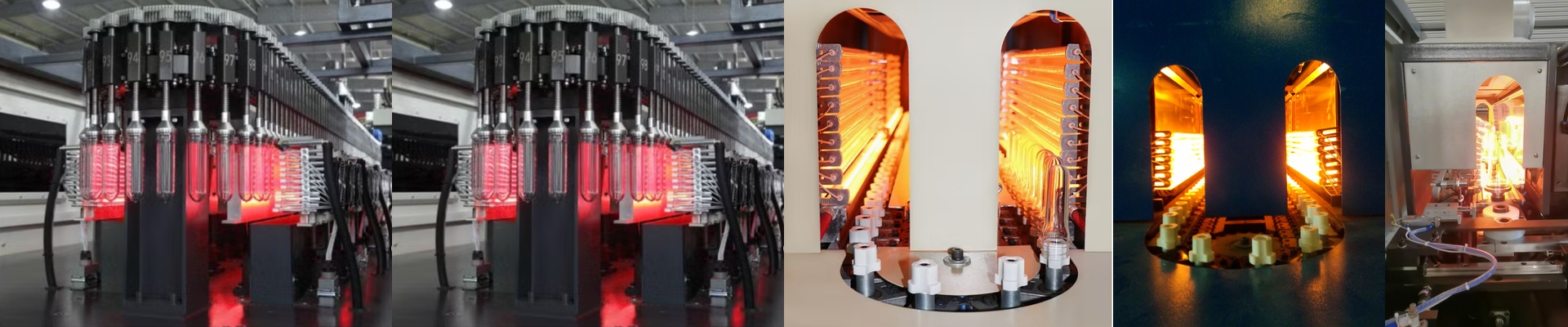
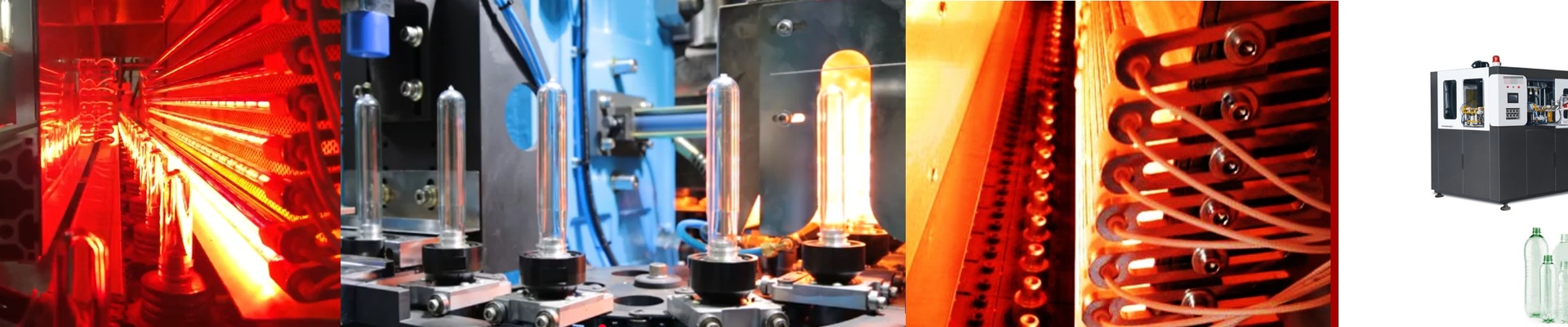
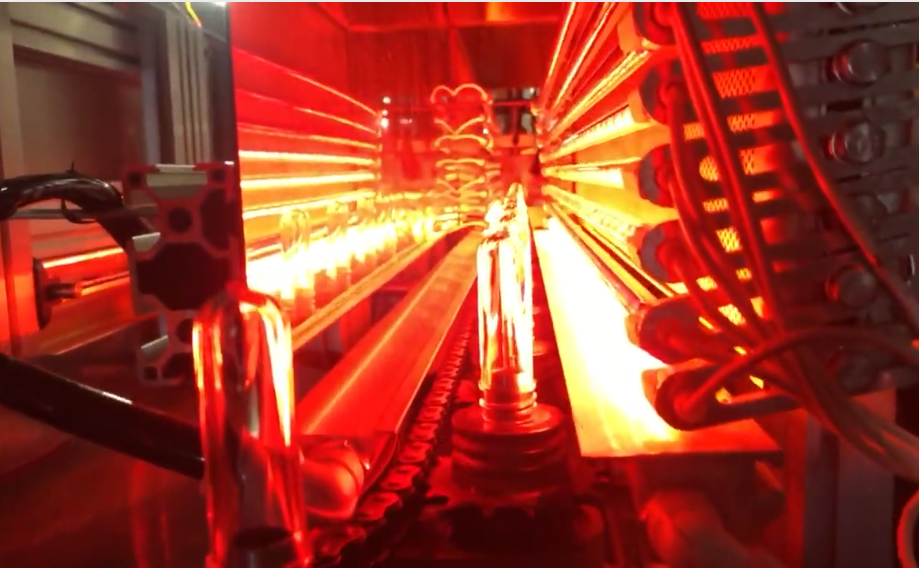
If you’re running high-speed rotary blow molding, you know the struggle. You’ve got a tiny window of time to get that PC preform soft enough to work with. If your lamps are sluggish or can’t keep up when the power cycles, you’re looking at a nightmare: uneven walls or those annoying stress fractures in the bottles. It’s frustrating. You just need the heat to be there, exactly when it’s needed. Cutting out the lag We spent a lot of time thinking about “thermal lag.” Basically, we wanted to get rid of the dead time. By tweaking the tungsten filament diameter and thinning out the quartz envelope, we stripped away the unnecessary mass. The result? The lamps hit their target temperature way faster. We also lean heavily into short-wave infrared. Why? Because it digs deeper into the PC material much quicker than long-wave radiation. It means your preforms spend less time hanging out in the oven and more time being bottles. Built for the shake There’s nothing worse than a lamp that bows or warps under pressure. We use high-purity fused quartz so the tubes stay straight, even when things get scorching. Plus, they’re a direct drop-in. You don’t have to mess around with your oven racks; they just fit. But here’s the real kicker: the vibration. Rotary machines shake. A lot. Standard connectors often wiggle loose, which leads to arcing and downtime. We use reinforced terminals that actually grip. They stay tight, even during those brutal 24/7 production runs. The heat balance Now, here is the trade-off. If you want a fast start-up, you need more wattage in a shorter tube. That creates a lot of heat density. But you can’t just crank the power and walk away. You’ve got to keep an eye on your cooling blowers. If you ramp up the heat but your ventilation can’t pull that ambient air away from the frame, you’re going to cook your reflectors. And once the reflectors go, your lamp’s lifespan plummets. To keep things safe, we match our voltage ratings exactly to your transformer output. It keeps the tubes from popping when you hit a voltage spike. It’s all about balance. Fast heat, steady power, and enough airflow to keep the whole thing from melting down.