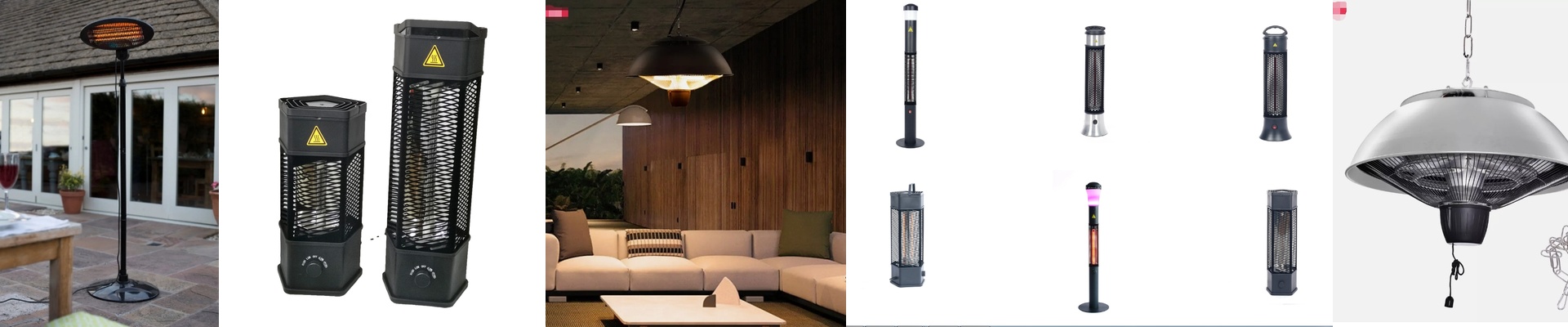
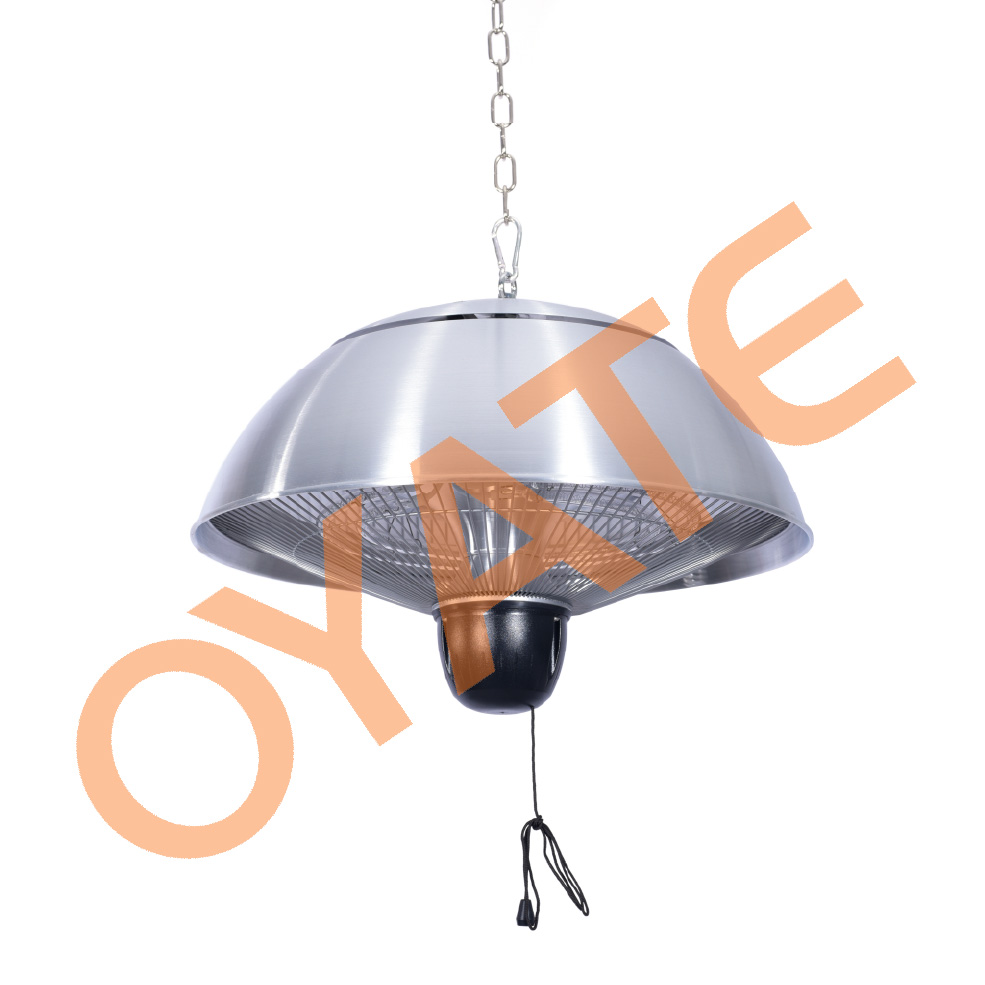
Why You Should Swap Your Old Bathroom Heater for Infrared
We’ve all been there. You step out of a hot shower into a freezing bathroom, and you flip on those old-school heat lamps. You wait. And wait. You might feel a little bit of warmth if you stand exactly under the bulb, but the rest of the room stays ice-cold. Those old bulbs waste a ton of energy just making light, while the heat barely reaches you. That’s why we’re moving toward high-rated waterproof infrared heaters. It’s a completely different experience. It’s about how you feel the heat Here’s the thing: old heaters try to warm up the air. But air is terrible at holding onto heat, especially in a bathroom where the steam just carries it away. Infrared is different. It doesn’t mess with the air; it goes straight for you. It’s like stepping into a patch of sunlight on a winter day. You feel it on your skin the second you flip the switch. We use short-wave emitters because they punch through the cold faster, which is a lifesaver if you have one of those open-concept bathrooms where the warmth usually vanishes into the hallway. Dealing with the steam Bathrooms are brutal on electronics. Between the humidity and the occasional stray splash of water, most heaters just give up. Usually, the seal fails, moisture creeps in, and the internal parts start to rust or corrode. Then, one day, it just stops working. To stop that from happening, we use IP-rated housings (usually IP44 or higher). Basically, it means the unit is tightly sealed. We use reinforced silicone gaskets and specialized joints to keep the steam out. If the seal holds, the heater lasts. If it doesn’t, you’re just buying a replacement every couple of years. Getting it installed (and a few warnings) The good news is that these usually slide right into your existing ceiling grids. They’re compact, but they pack a much bigger punch in terms of actual heat. But a heads-up: because these emitters are so powerful, they gethot. Really hot. If you mount them too low or put them right next to plastic trim, you might actually warp your fixtures. Just double-check your ceiling clearance before you commit. And one last thing—don’t try to be clever with the wiring. These need their own dedicated circuit. If you try to piggyback them onto your existing light switches, you’re probably just going to trip the breaker the moment you turn them on.