How to Actually Get Fast Thermal Sterilization in Your Cabinets
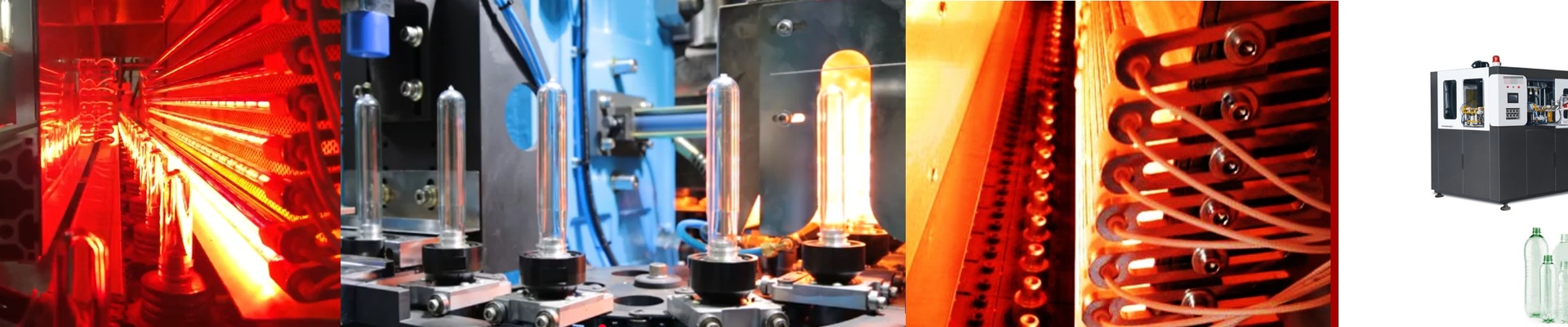
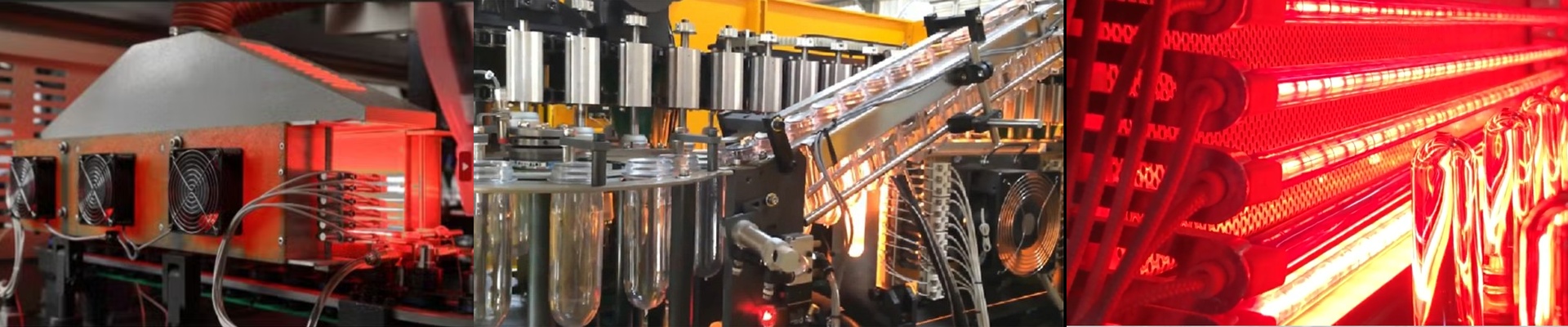
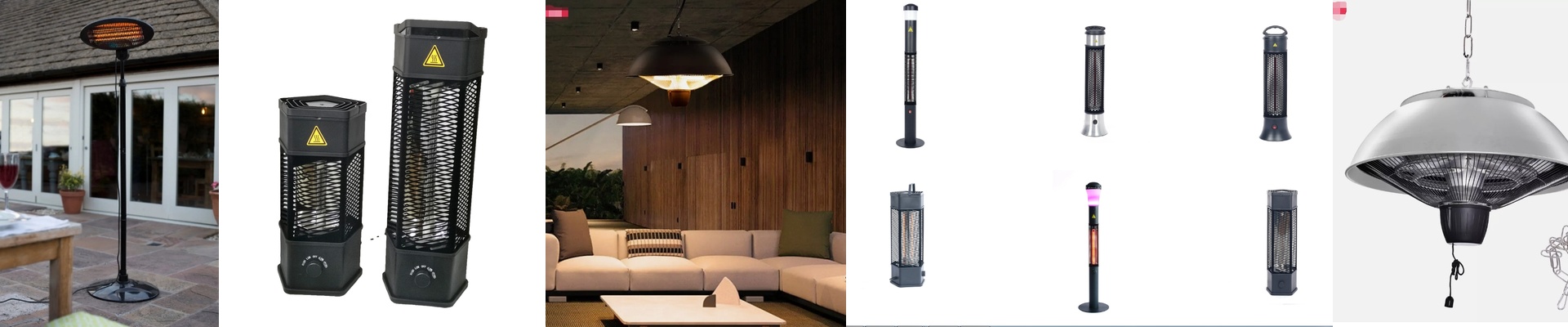
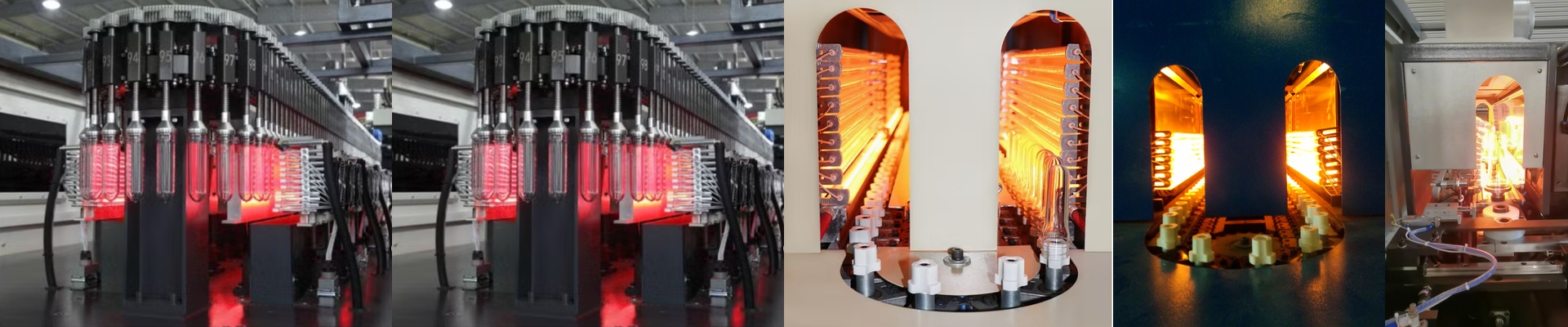
The big challenge with cabinet sterilization is the clock. You need to hit those peak temperatures fast enough to kill off pathogens, but you can’t just blast the heat and end up melting or warping the chassis. That’s why we lean on stainless steel convection IR heaters. Most people try using resistive coils, but those just sit there waiting for the air to get hot. It’s slow. IR lamps are different—they go straight for the surface of whatever you’re sterilizing. The secret to that “instant” heat If you want a response that happens in seconds, you need power density. We’re talking about dumping a massive amount of energy into the chamber the moment you flip the switch. Because we’re using short-wave radiation, the heat penetrates the surface of the gear inside the cabinet almost immediately. You aren’t wasting time and electricity trying to heat up every cubic inch of empty air. You’re heating the actual load. It’s just more efficient. What we use to build them We stick with high-purity quartz tubes wrapped in stainless steel. The quartz is key because it lets those IR waves pass through without losing steam, while the stainless shell handles the convection side of things. Setting this up is pretty simple, but here’s a word of caution: watch your inrush current. If you’re running high-wattage tubes and try to use a cheap relay, it’ll probably weld shut. Not a great look. Stick with solid-state relays (SSRs) if you want to handle the rapid cycling needed to keep your temperature steady. The trade-offs (The part most people miss) High-density IR heating isn’t a magic fix. In fact, the faster you heat things up, the easier it is to overshoot your target. One minute you’re sterilizing, the next you’re scorching your equipment. To stop that from happening, you’ll want a fast-acting thermocouple—something like a K-type or PT100—tucked right in the sterilization zone. And don’t forget about your vents. If the air can’t move, that trapped convection heat builds up fast and will trip your thermal cut-offs. Just make sure your airflow matches your lamp wattage, and the whole system stays stable.