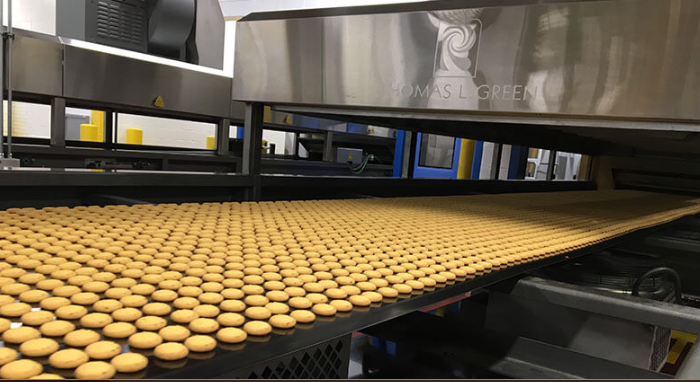
Getting That Perfect Crust: Why Ceramic Infrared Actually Works
You know that feeling when you pull a loaf out of the oven and the crust is exactly where you want it—dark, charred in the right spots, but with a center that’s still soft and airy? That’s the Maillard reaction in action. But getting it consistent in a deck oven is a bit of a balancing act. That’s why we lean on ceramic infrared heaters. Instead of just heating up the air and hoping for the best, these things blast energy straight into the dough. The trick is all in the timing. Caramelization happens in a tiny window. If you’re off by a few degrees, you either end up with a pale, soggy crust or a burnt mess. Ceramic elements are great because they hit the target temperature almost instantly. You can trigger a massive burst of heat to sear the surface and then kill the power the second it looks right. Traditional heaters are sluggish. They hold onto heat long after you’ve turned them off, which leads to that annoying “carry-over” cooking that can ruin a delicate pastry. With ceramic IR, when you hit the switch, the heat stops. Period. What’s actually inside them? We use high-purity alumina ceramics. It sounds fancy, but it basically just means the material can handle insane amounts of heat without cracking or giving up. The ceramic shell protects the heating coil inside while focusing all that infrared energy right onto your product. One heads-up, though: these things are power-hungry. Make sure your wiring is up to the task. If your power supply is too weak, you’ll see a voltage drop, and your ramp-up speed will tank. A few things to keep in mind. Now, these aren’t indestructible. Ceramic is brittle. If you’re scrubbing down the oven and give an element a hard knock, it’ll crack. It happens. To avoid that, just make sure they’re installed with the right brackets so they aren’t under any weird mechanical stress. Also, because the heat is so concentrated, your ventilation needs to be on point. You don’t want all that heat pooling at the top of the deck; you need it moving.