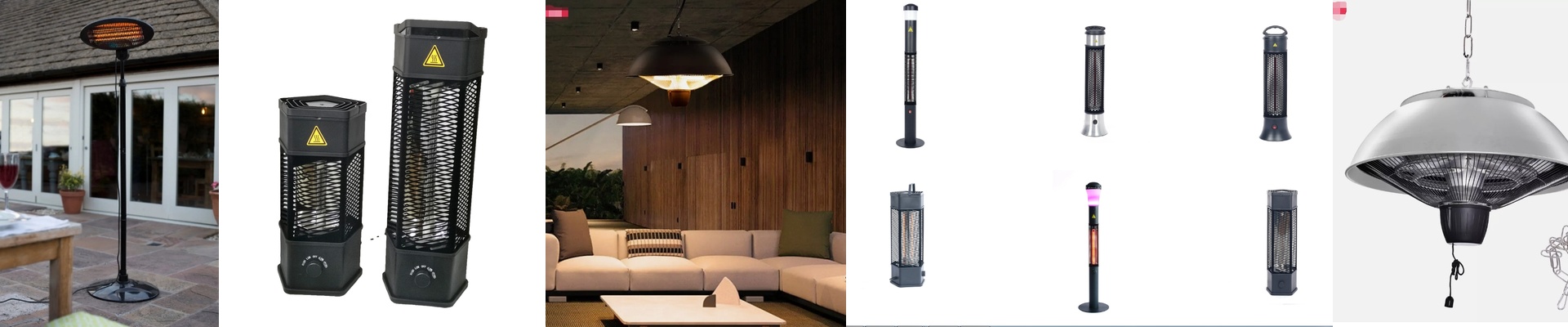
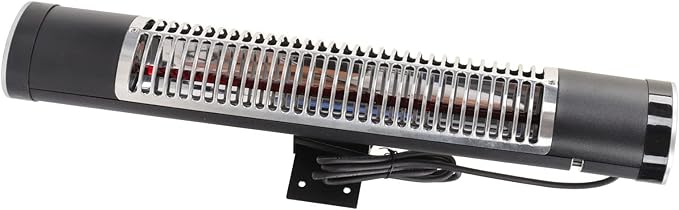
Getting Your Bathroom Heat Just Right
When you’re picking out infrared heaters for a bathroom, it’s easy to think “more power equals more warmth.” But it’s not really about blasting the room with heat; it’s about finding that sweet spot where you feel cozy without feeling like you’re standing too close to a campfire. And since we’re talking about bathrooms, we use IPX4 splash-proof housings. Basically, it keeps the moisture out of the electronics so you don’t have to worry about a few splashes while you’re getting ready.
Picking the right power for your space
Here’s the thing about infrared: it doesn’t actually warm up the air. It warms you. If you’ve got a tiny powder room (under 4m²), a 400W to 600W lamp is plenty. If you try to cram a 1200W unit in there, you’ll probably trigger the thermal cutoff or end up with those annoying hot spots that make you want to step away. For those medium-sized bathrooms (5-10m²), 800W to 1000W usually does the trick. But for the big master baths? Don’t just buy one massive, overheating unit. I always suggest wiring up two 600W lamps at opposite ends of the room. It spreads the warmth around much better. No more shivering in a “cold zone” while one corner of the room is baking.
The trade-off with water-proofing
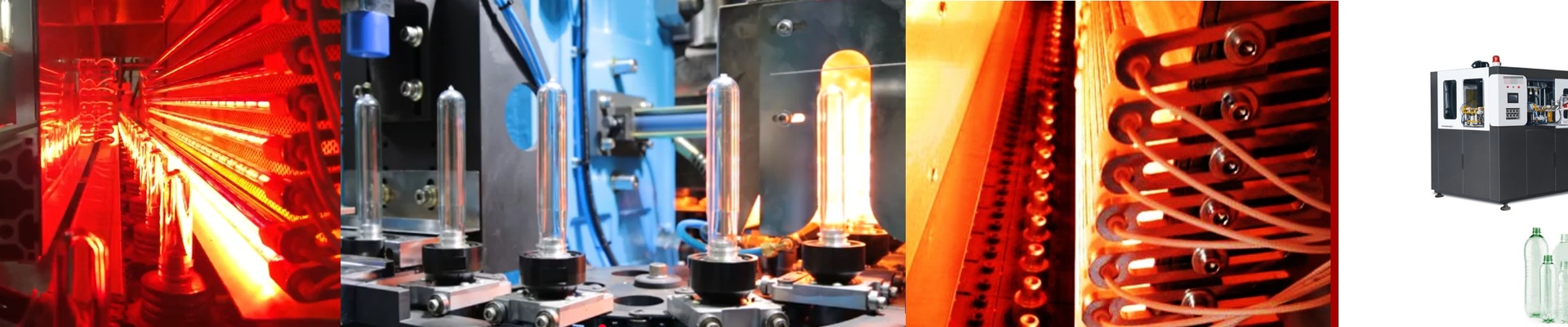
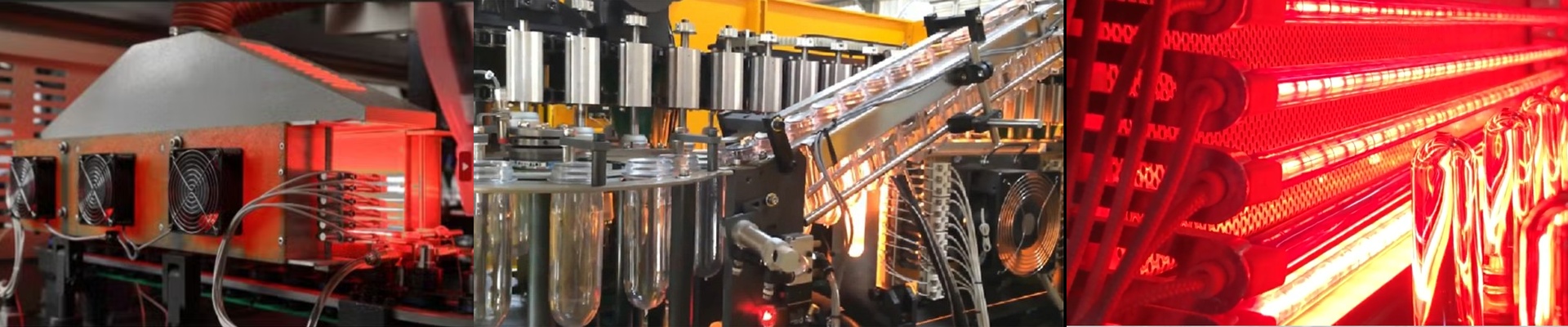
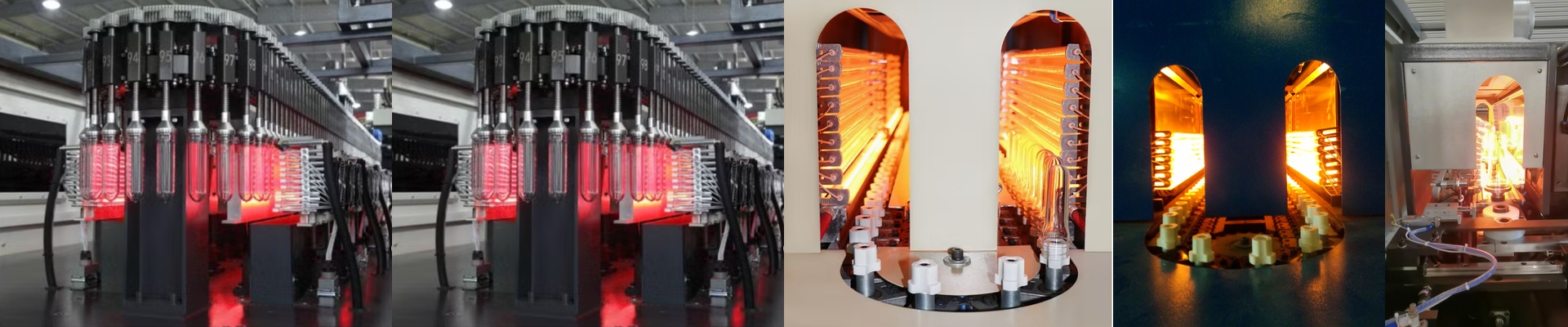
That IPX4 rating is great for safety, but it means the unit has to be sealed tight. The downside? Less airflow. Because the housing is so closed off to keep water out, the internals get pretty hot. To handle that, we use reinforced reflectors and high-temp quartz glass. It keeps the housing from warping or bending when you’re running it for a while.
A quick word on your wiring
High-wattage lamps feel great instantly, but they’re thirsty for power. Before you go wild and drop in a few 1200W units, double-check your circuit breaker. If your wiring is a bit thin, you’ll deal with a voltage drop, and your heat output will tank. Stick to the recommended wattage for your square footage. Your energy bill will thank you, and your hardware won’t burn out prematurely.