
Picking the Right Wattage for Your Bathroom Heater
Let’s be honest: nobody likes stepping out of a hot shower into a freezing bathroom. It’s a shock to the system. That’s where infrared heaters come in, but if you pick the wrong wattage, you’re either wasting electricity or still shivering. Here is how to actually get it right.
Finding the “Sweet Spot” for Power
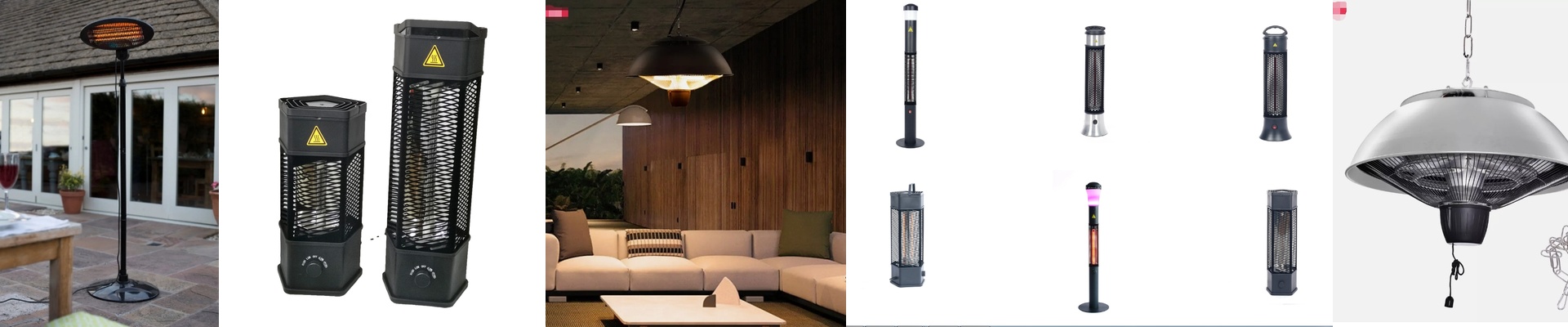
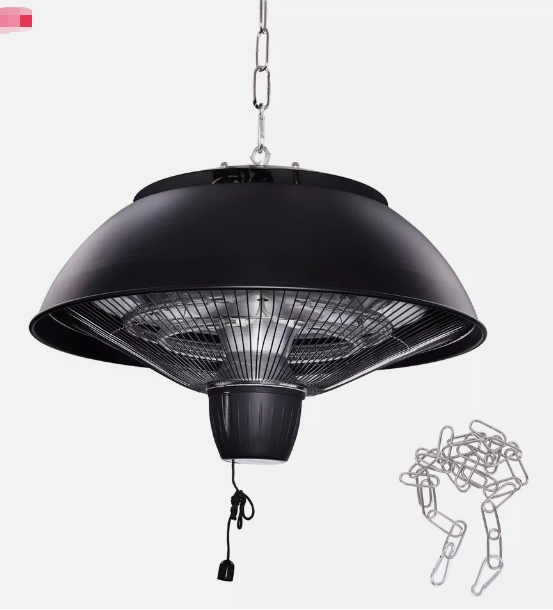
It really comes down to how much space you’re trying to warm up. If you’ve got a tiny powder room—something under 4m²—a 400W to 600W short-wave lamp is plenty. These things are great because the heat hits your skin almost the second you flip the switch. It’s an instant cozy feeling. But if your bathroom is bigger (think 6m² to 10m²), you’ll need more muscle. You can go with one heavy-hitter—something 1000W or more—or just install a few smaller lamps to spread the warmth around. Just don’t overdo it. Putting a massive heater in a tiny closet of a bathroom is a waste of money, and it can actually make your ceiling fixtures get way too hot. On the flip side, if you go too low, the heat just disappears into the air before it ever reaches you.
Why “IP65” Actually Matters
You’ll see “IP65” on the box, and while it sounds like boring tech-speak, it’s actually the most important part. Bathrooms are damp. Steam and water vapor love to sneak into electronics. An IP65 rating means the unit is sealed tight. It keeps the moisture out of the wiring and stops dust from settling on the quartz tube. Why care about dust? Because dust creates “hot spots” on the glass. When one part of the tube gets way hotter than the rest, it can crack. Simple as that.
A Few Tips for Installation
Short-wave heat is fast, but it doesn’t travel far. You need to mount these lamps directly above where you’ll actually be standing. If you tuck them too far away or mount them too high, you’re just heating the ceiling, not yourself. One last thing: don’t skimp on the wires. High-wattage lamps pull a lot of power. If you use thin, cheap cabling, you’ll get a voltage drop, and your heater won’t feel nearly as warm as it should. Plus, keep an eye on your circuit breaker. If you’re adding a bunch of these units to one line, make sure your electrical panel can handle the load so you aren’t tripping the power every time you want a warm shower.