
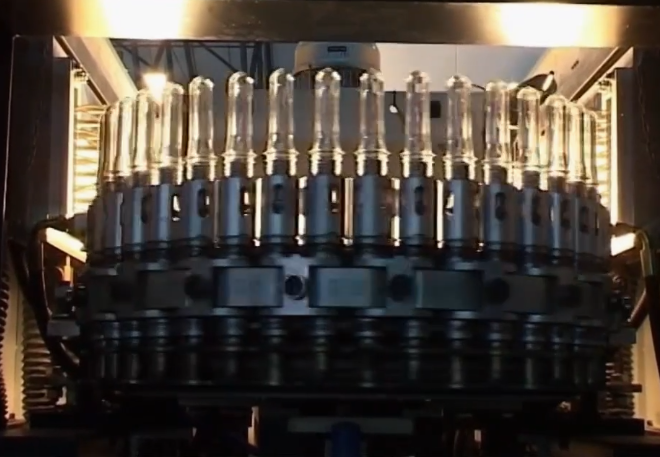
Getting Your Sidel Matrix Oven Back in Sync
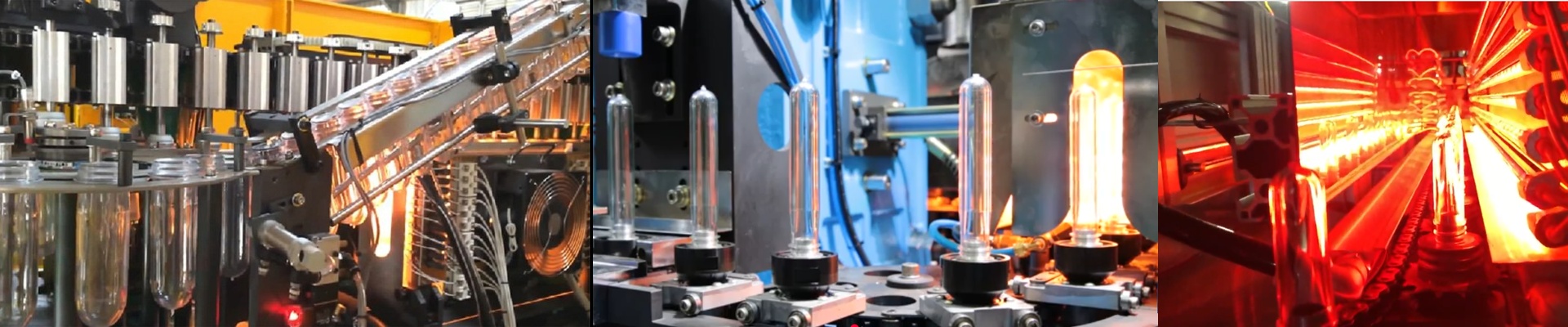
Here is the real headache when you swap out OEM lamps in a Sidel Matrix oven: the temperature curve shifts. If the wattage-per-centimeter is even a tiny bit off, your preheating gets patchy. That’s how you end up with those annoying pearlescing streaks or thin walls in your PET bottles. It’s frustrating. We fix this by building our lamps to match the original specs exactly. No guessing.
The science of the “perfect match”
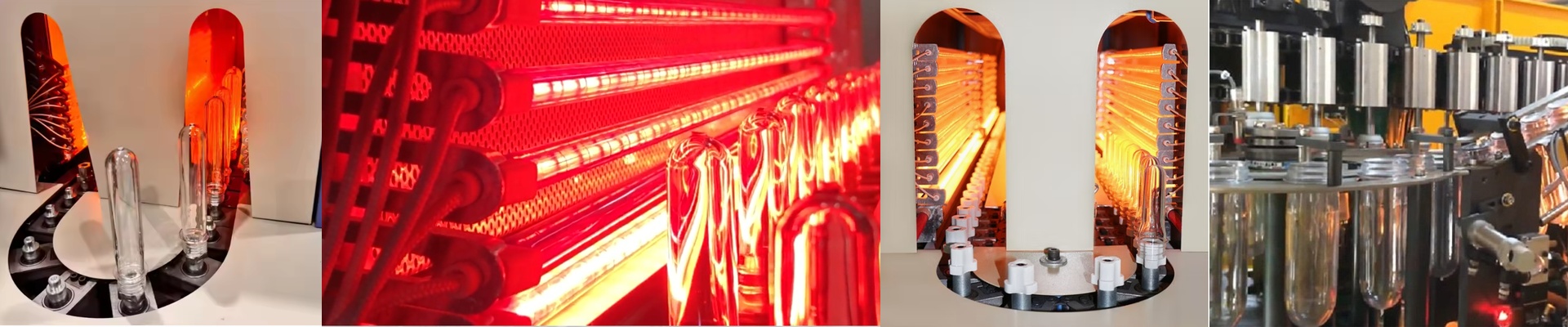
We do more than just look at the total wattage. That’s a rookie mistake. We obsess over the voltage-to-length ratio so the heat density stays exactly where it should be. For our Sidel-compatible tubes, we calibrate the filament winding to mirror the original infrared spectrum. What does that actually mean for you? It means the heat sinks into the PET preform at the same speed and depth as before. You get that same temperature ramp-up without having to spend hours tinkering with your oven zones.
Built for the grind
We use high-purity quartz glass because nobody wants a lamp that burns out early. The connectors are designed to slide right into your existing sockets. No rewiring, no fancy adapters. It’s just a drop-in replacement. We also pay close attention to the contact resistance at the pins. If the fit is loose, you get localized overheating, and suddenly your sockets are melting. Our tolerances are tight, so they can handle the constant expanding and contracting of a production line running 24/7.
A quick reality check
Now, here is the catch. High-wattage shortwave lamps put out a massive amount of heat. That puts a lot of pressure on your reflection chambers. If your reflectors are pitted or covered in grime, even the most perfect lamp in the world isn’t going to hit your target temperature. You’ve got to keep those reflectors clean to actually get what you’re paying for. Our lamps are built to take a beating in high-heat environments, but they still need your machine’s airflow and reflection to be on point to keep that curve steady.