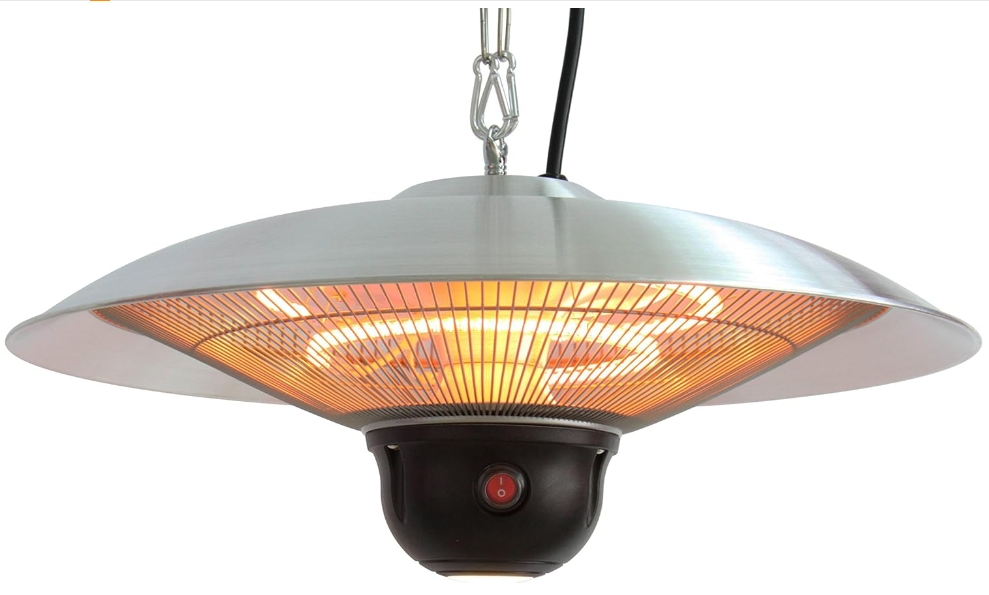
Why you should ditch those old bathroom heat lamps for infrared
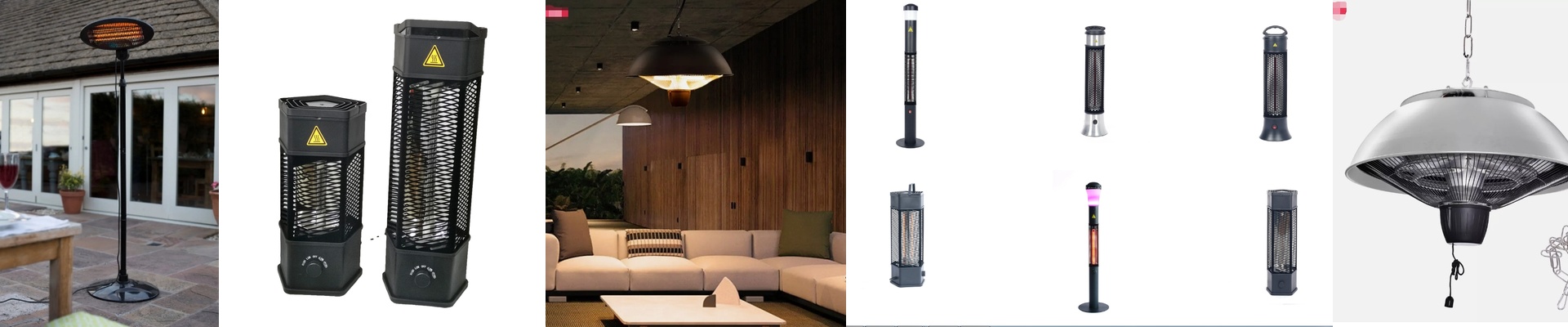
Ever stepped out of a hot shower into a bathroom that still feels like a freezer? It’s the worst. Most of us grew up with those old-school heat lamps, but let’s be honest—they barely do anything. Plus, in a room full of steam, they usually just burn out or start acting glitchy. That’s why we’re seeing so many people switch to high-IP infrared heaters during their remodels. Here is the thing: you don’t actually want to heat the air in your bathroom. Air is flighty. In a room with high ceilings or a drafty window, that warm air just floats up to the ceiling and stays there while you’re shivering on the bathmat. Infrared is different. It doesn’t care about the air. It sends out waves that hit your skin or the floor and turn into heat instantly.**It’s immediate.**You feel it the second you flip the switch. But there’s a catch: water and electricity are a nightmare pairing. Cheap heaters let moisture seep into the guts of the machine. That’s how you get short circuits or filaments that pop way sooner than they should. The “High-IP” stuff is basically just a fancy way of saying the unit is sealed tight. We use gaskets and special coatings to keep the steam out of the wiring. It means the heater actually lasts, even if your bathroom feels like a sauna. Now, if you’re thinking about swapping yours out, don’t just buy a unit and wing it. You’ve got to check your wiring first. These infrared heaters pull a lot more power than a basic light bulb. If your wires are too thin or your breaker is too weak, you’re going to trip the power the moment you turn it on. Not a great way to start your morning. And a pro tip: check the seals on your connection points. A heater is only as waterproof as its weakest spot. If your junction box is leaky, it doesn’t matter how fancy the heater is. Grab some proper sealant when you’re installing it to stop condensation from building up inside your ceiling. Do it right, and you’ll never have to dread that “post-shower chill” again.