
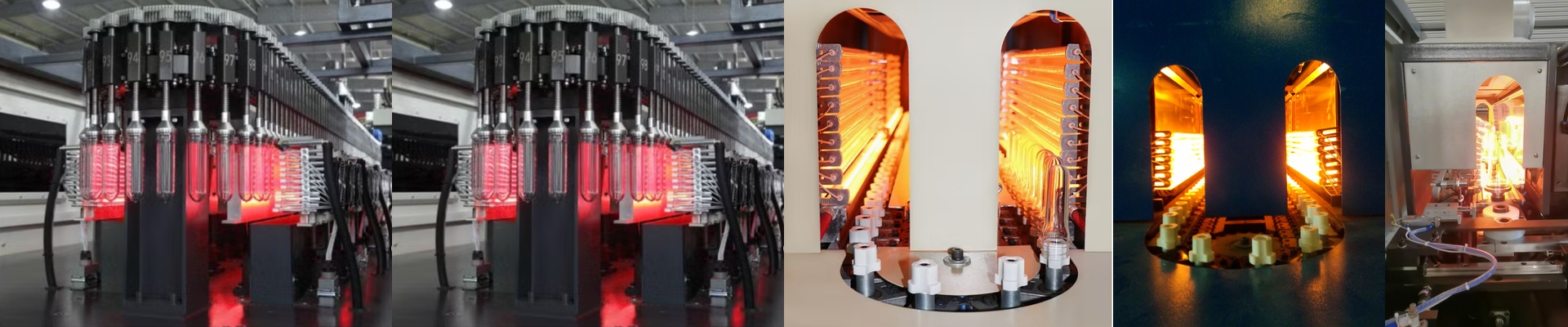
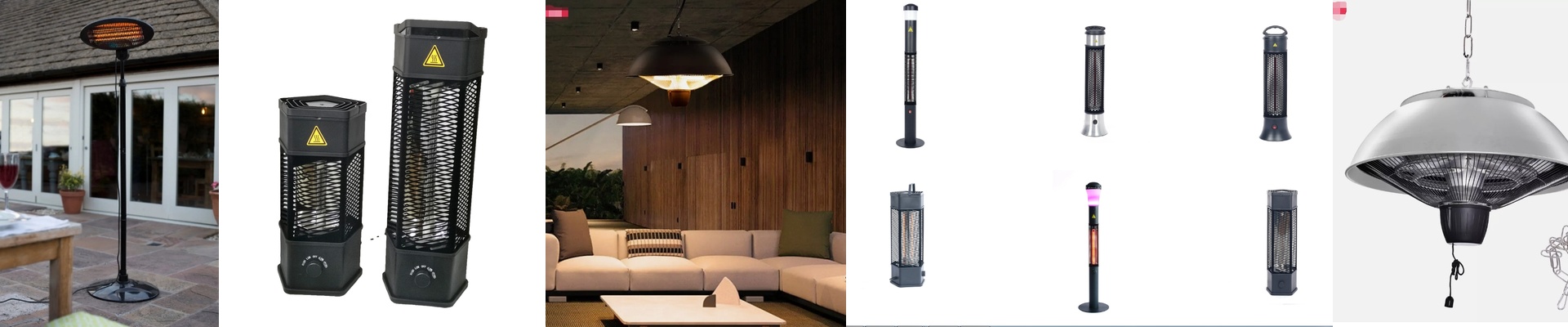

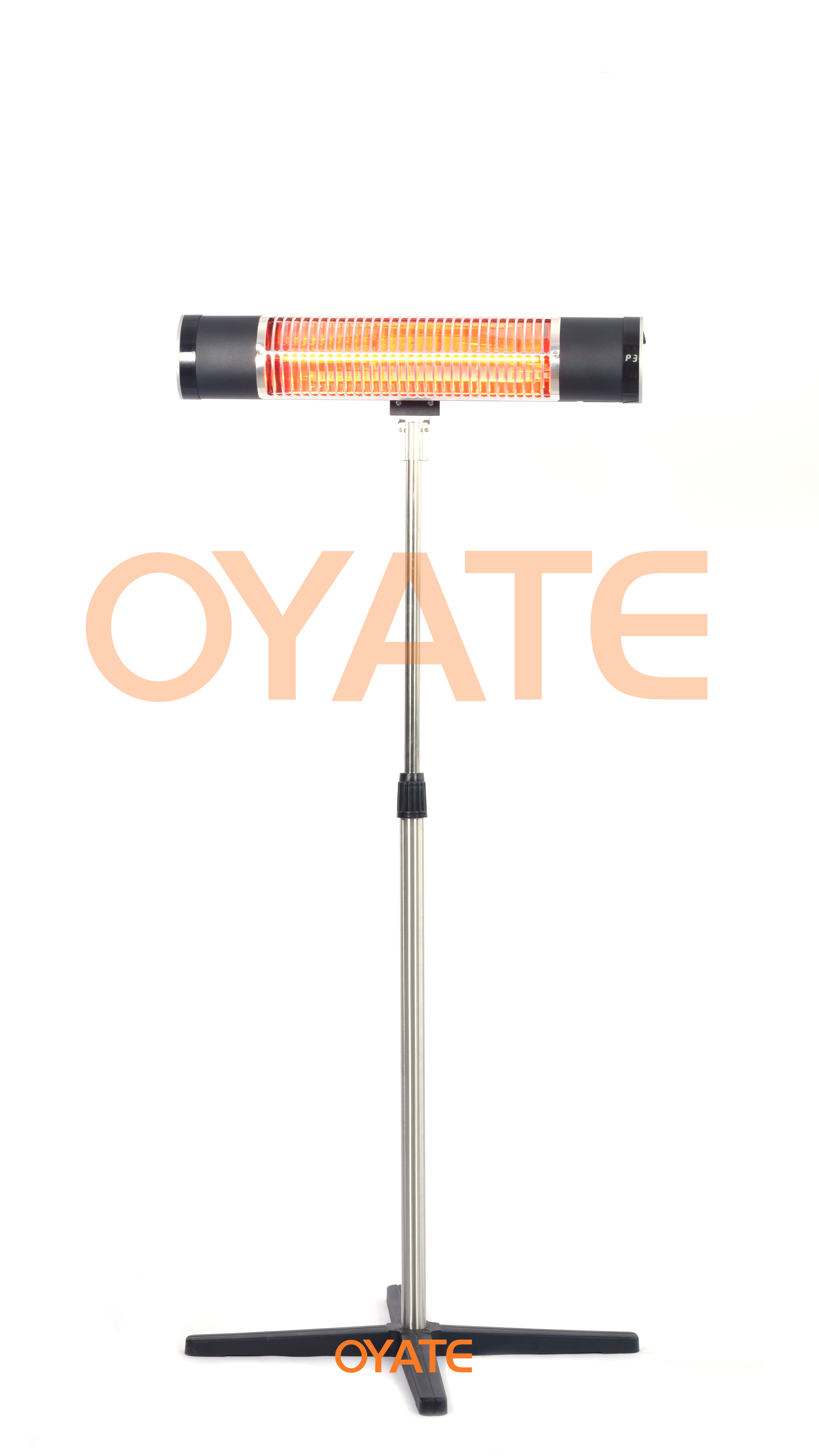
In a semi-open commercial corridor, the wind finds its way through, and the evening chill turns foot traffic into a quick dash. When the infrared patio heater can’t keep up, guests hurry past, staff stay bundled up, and the whole space loses its welcoming pulse. We built our electric infrared patio heaters to keep that pulse steady, with smart sensing that matches warmth to actual occupancy. What matters under the hood We use short-wave infrared emitters that throw radiant heat straight onto people and surfaces, not into the empty air. Heat comes on almost instantly, so comfort lands the moment someone steps into range. Each unit has an occupancy sensor and a thermostat. When motion is picked up, the heater comes up to the set temperature; when the corridor goes quiet, it drops into low-standby. That smart cycling keeps energy use tight without giving up comfort. Here’s why this approach fits a semi-open corridor: heating the air out here is inefficient and unpredictable. Infrared warmth targets the people moving through, so you feel the heat even when the air is cool. Smart sensing prevents wasteful run-on when the space is empty, which supports eco-focused operations and keeps energy costs in check. The payoff is a steady, even glow that makes guests linger, staff work comfortably, and the brand feel considerate. Installation is straightforward, but placement matters. For the best coverage, mount the heaters 6–8 feet high, with the beam aimed to cover walkways and gathering points. Because the sensors are watching for motion and temperature, don’t point them straight at moving air sources like fans or drafty doorways—those can cause false triggers. In very damp locations, pick a unit with an IP rating that matches the exposure.