
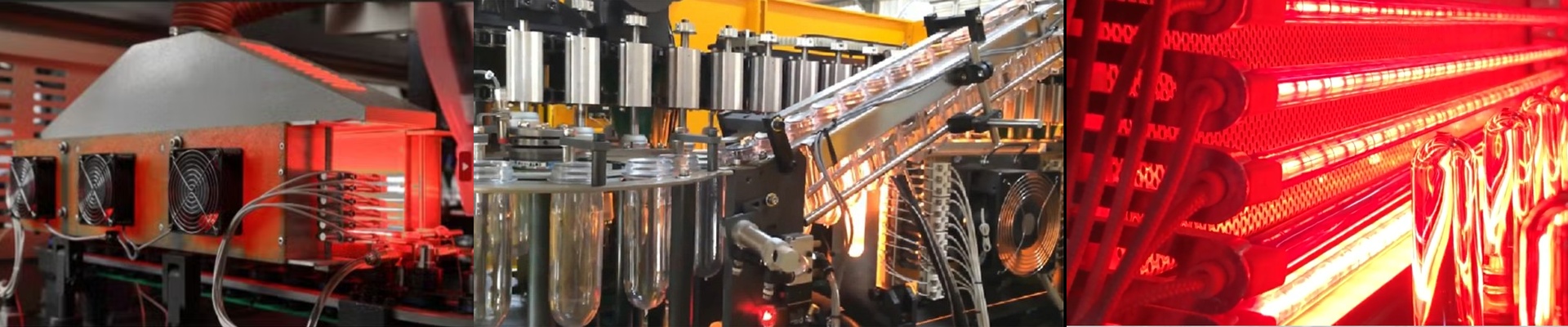
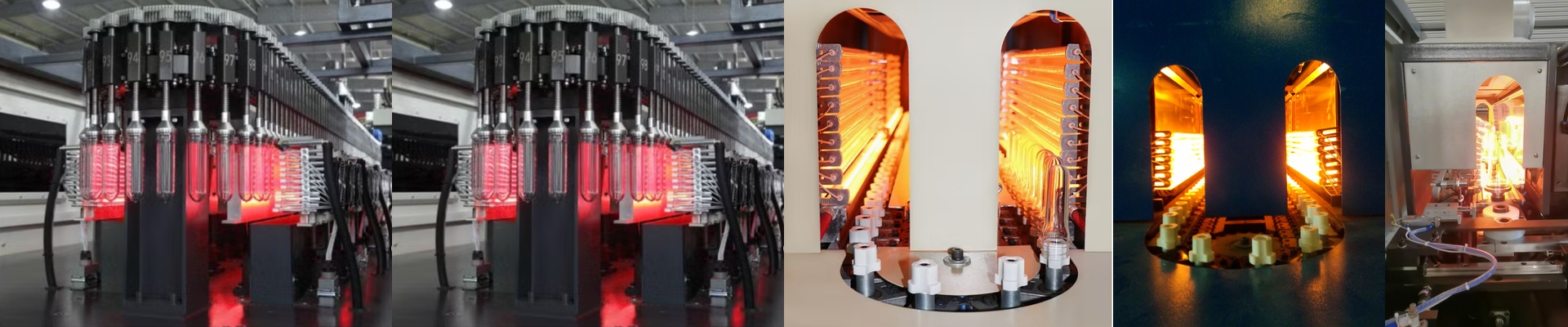
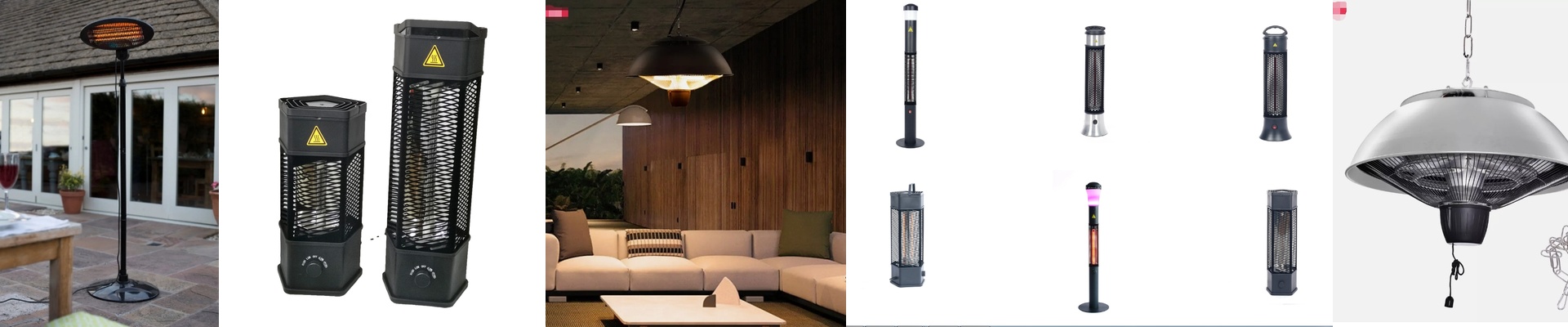
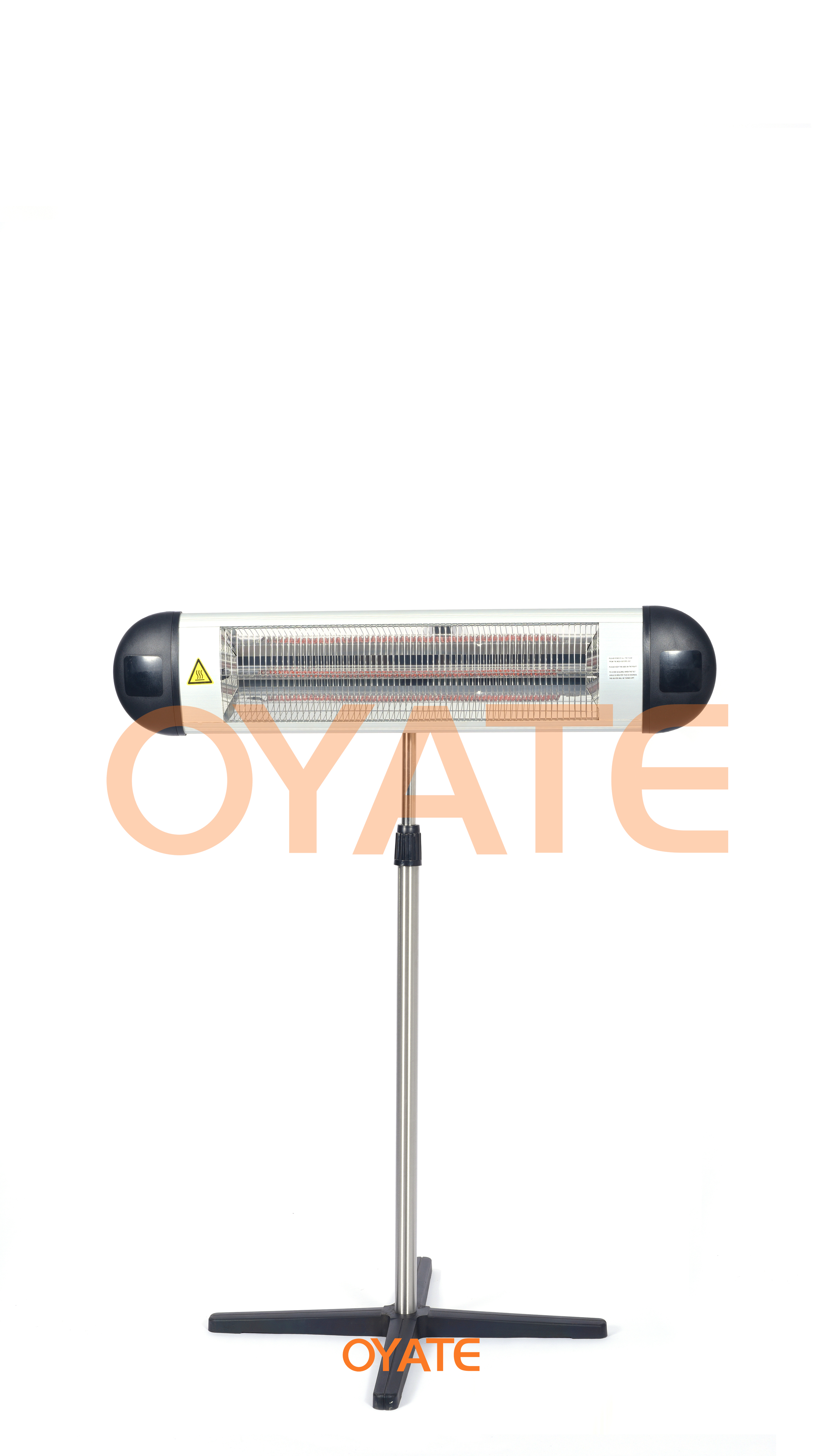
We built these shortwave halogen heaters for one specific headache: tight, high-ceiling spaces like attics. You know the kind—you need serious, focused heat, but you don’t have room for big, clunky equipment. The payoff? Heat that shows up the moment you flip the switch. No waiting around for the air to slowly warm up. It just gets to work, fast.
Power, Voltage, and Size—Kept Real
Inside, we lean on shortwave halogen elements. They run at 230V or 400V, and you can spec them up to 2500W. That’s a lot of heat from a very small footprint, which is exactly what you need when you’re squeezing a heater into a tight ceiling cavity. And the tube length? We size it to match the mounting space—often around 300mm—so it drops in clean and lines up with what you already have.
The Materials That Make It Tough
The halogen element sits inside a quartz tube. Why quartz? It handles high heat without throwing in the towel, and it shrugs off thermal shock. We also add a reflective coating on the tube to push the energy forward. That means more usable radiant heat lands where you want it—on the floor, on equipment, on the work area—instead of bleeding off the sides. For the connection, we use an R7s setup. It’s practical for real installs: it can handle high current, locks in securely, and lets you wire the unit quickly with a standard ceramic socket.
Attic Heat, Without the Overthink
In an attic, you don’t want heat that just warms the air. You want heat that travels and hits the target. That’s what radiant heat does here—it warms floors, tools, and work zones directly, which helps keep temperatures steady even when cold air is sneaking in. A heads-up: the high wattage density means you need proper ventilation and a well-managed enclosure. But if you size the heater to the load and match the voltage to your supply, you get a heat source that installs fast and keeps running with minimal fuss.