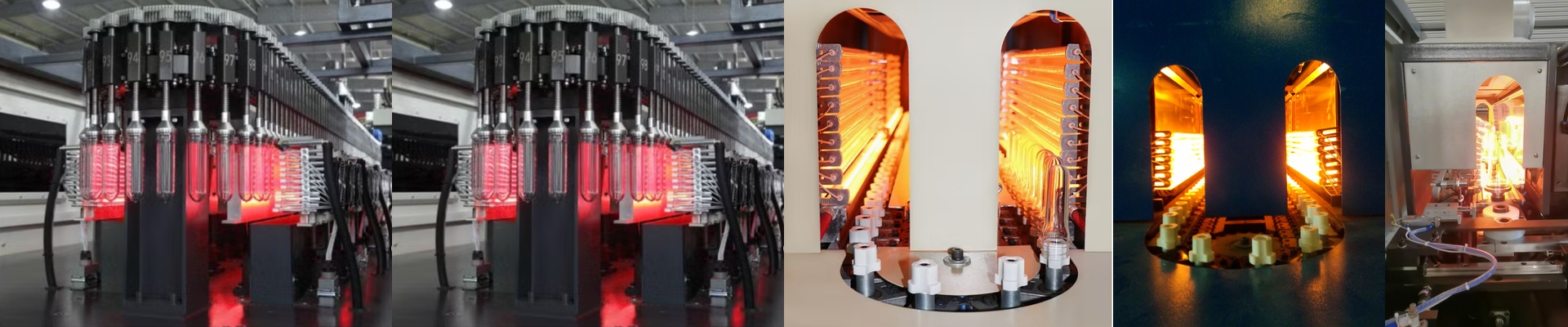
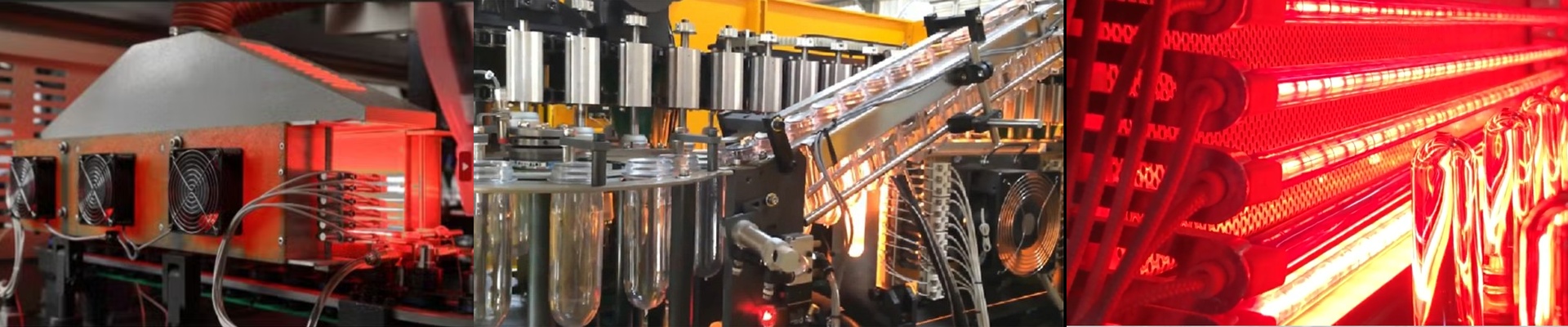
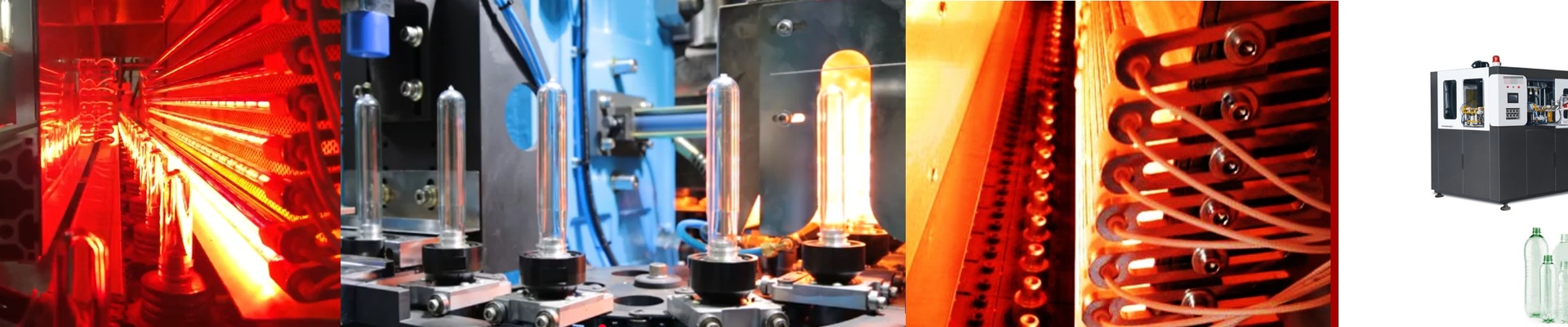
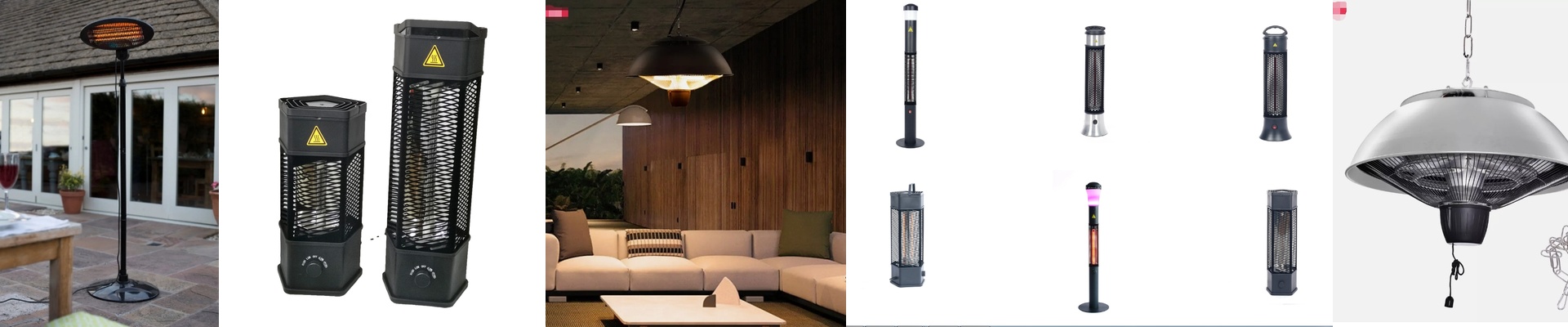
When the lunch rush hits, you need heat you can count on—hot enough on the stone hearth for a crisp crust, steady in the deck for even color on bread, and reliable in the holding cabinet so plates stay warm without drying out. A heating element that warms slow wastes time and money. A heat profile that swings wildly wrecks texture.
What matters, technically
A quartz snack machine ceramic heater pairs a quartz envelope with a ceramic core. That gives you fast radiant output and predictable temperature behavior. The radiant energy drives straight into toppings and dough, while the ceramic mass holds the setpoint steady—so door cycles don’t send the heat all over the place. In practice, you get shorter preheat times and a more repeatable baking curve across deck ovens, rotary ovens, and warming cabinets.
Why this works in real service
On the pizza line, that quick response gets the stone up to temperature fast, so you hit consistent blistering and caramelization without overcooking the center. In bakery production, stable, even heat supports proper crust development and clean transitions from proofing to baking. For food warming and holding, the same stable output keeps plated dishes at safe temperatures without the dryness that forced-air heat tends to cause. The payoff is quicker turns, fewer under- or over-baked items, and less energy pulled per cycle.
The details that bite you if you ignore them
Installation is straightforward, but clearance matters. Keep the element off pans, racks, and oven walls—give it space. Match voltage and mounting to the original footprint. These heaters run hot, so make sure you’ve got proper airflow and insulation around the terminals. They also behave best with a clean, calibrated thermostat. If your control is drifting, even the best heater will look inconsistent on the line.