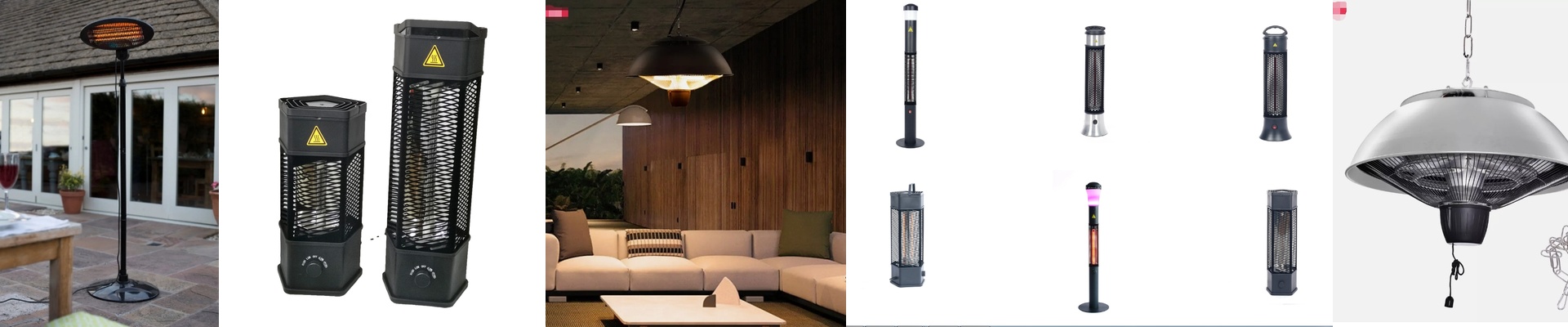
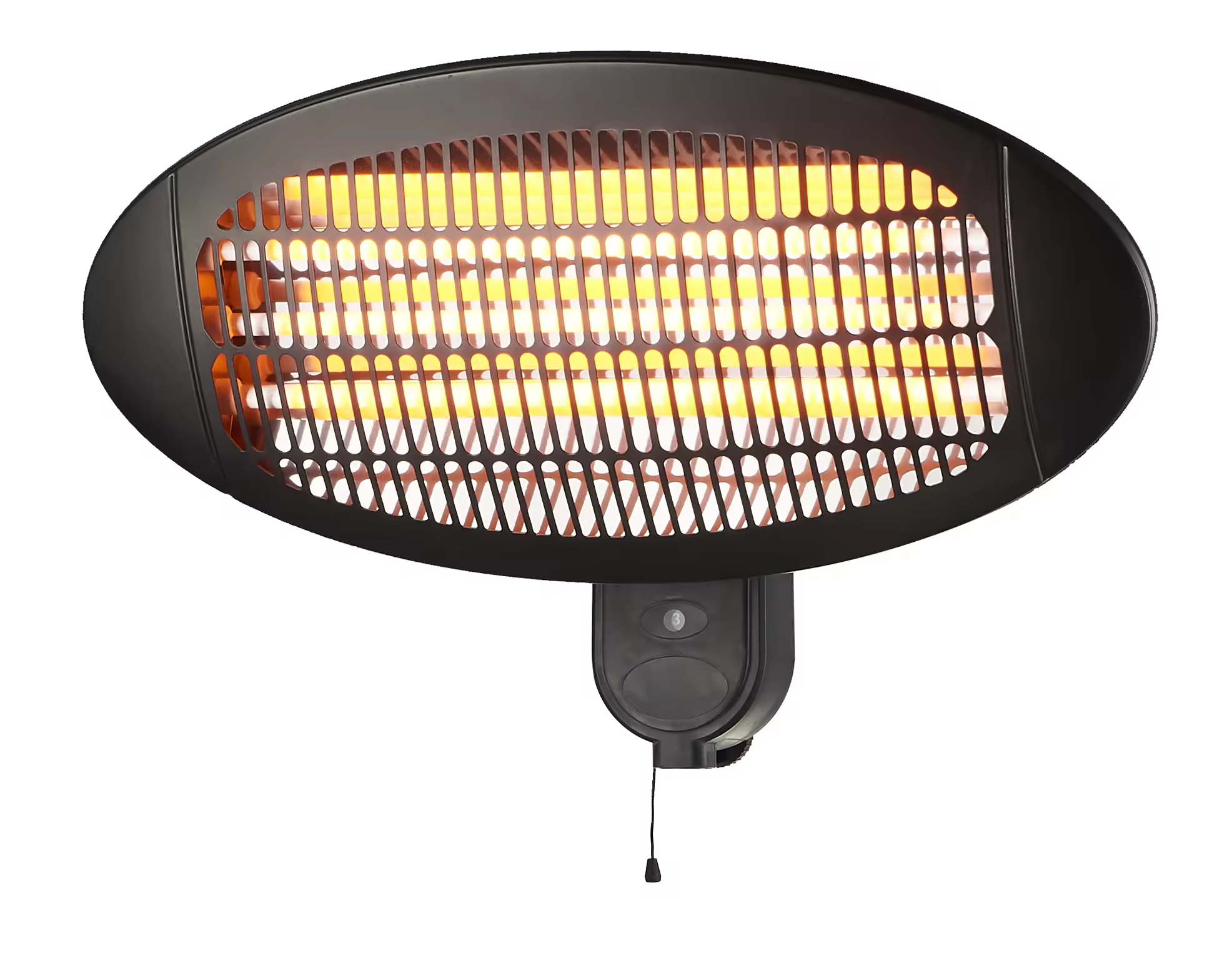
Commercial Patio Heaters: The Real Deal on R7s Halogen Power
Let’s talk about keeping a restaurant patio warm when the temperature drops. It’s not just a nice-to-have; it’s what keeps the seats filled and the doors swinging on chilly nights. We build heaters for this exact pressure cooker of a situation. And when you’re running a business, you can’t afford a heater that takes its time warming up. You need heat that hits hard, right away. That’s why we lean on serious halogen tubes, not the kind you’d find on a residential patio.
What Makes Them Tick
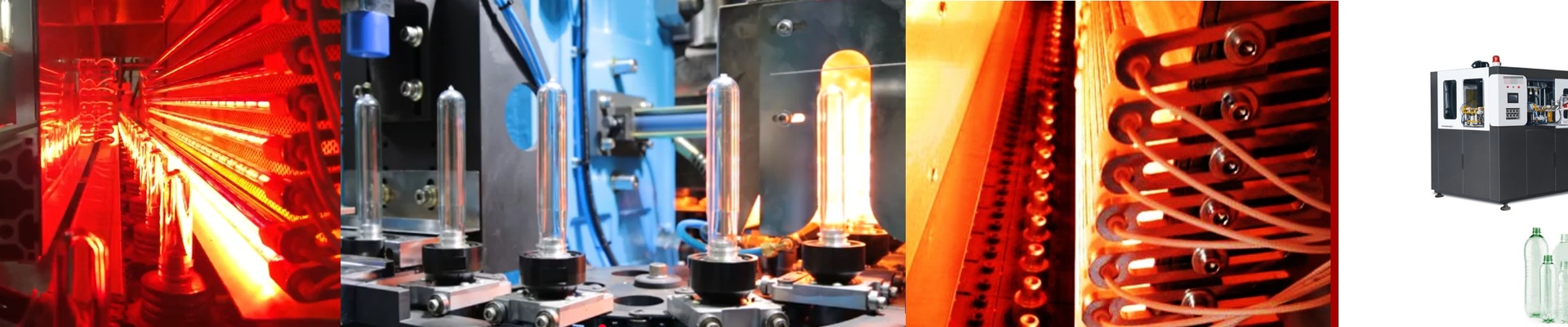
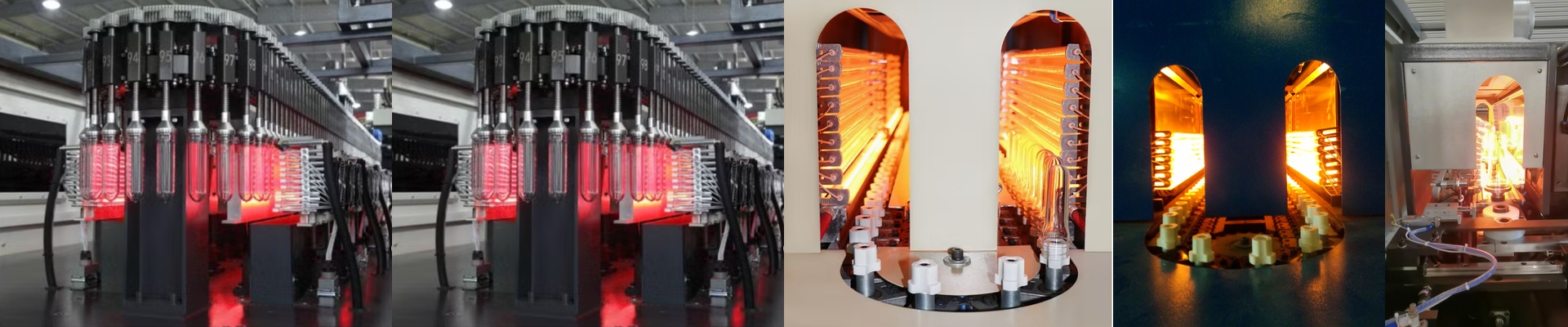
At the heart of these units are high-output halogen tubes, usually packing a punch of 2500W or 3000W. That kind of power is what it takes to push real warmth across an open space. The tubes themselves are about 300mm to 500mm long. It’s the sweet spot—enough length to spread the heat just right without wasting energy. And for the electrical side, we typically use 230V or 400V. This is about working with the commercial power you already have. The higher voltage means less current, so you can use thinner wiring and avoid that frustrating voltage drop over long runs.
The Secret to Their Durability
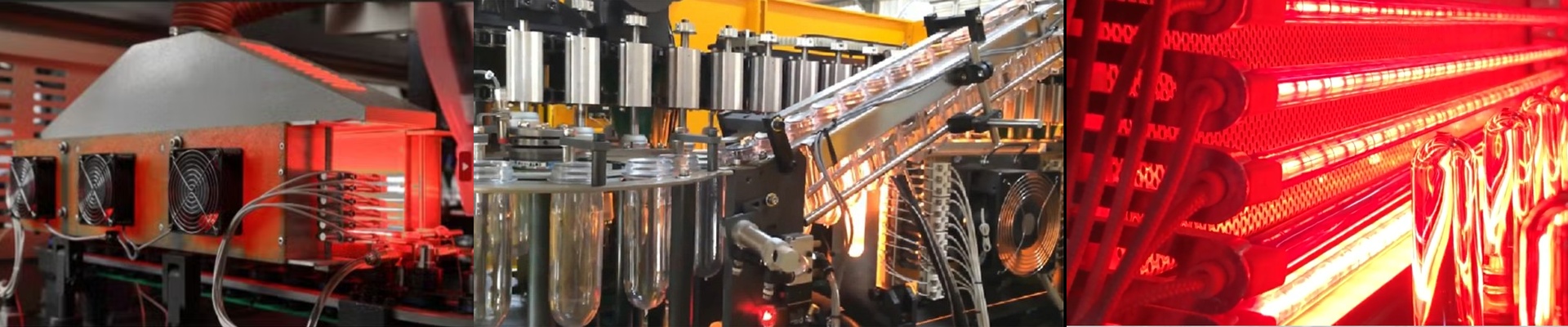
We use quartz halogen tubes because they can handle the extreme heat of the filament without giving up the ghost. The magic is in the internal halogen cycle—it actually helps regenerate the filament, which means these tubes last way longer than a standard bulb. The R7s connector is the industry standard for a reason. It locks the tube in place, end-to-end, for a solid, reliable connection that can handle all that high current. It’s also a straight swap when you need a replacement. Plus, the tubes have a special coating to manage UV and cut down on the glare. So your guests stay comfortable and protected, without the harsh light.
Why This Works for a Restaurant Patio
On a busy patio, you need heat that’s ready the second you flip the switch. These halogen elements hit full power in seconds. And that quartz envelope? It’s tough. It shrugs off wind and moisture like it’s no big deal. Because they’re so compact, you can mount them overhead without making the seating area feel cluttered. Now, there is a trade-off. All that wattage means you need a circuit that’s properly sized for the job. And you have to follow the clearance rules. But if you treat the installation the way you would for any serious industrial heating, you get reliable comfort that lasts all season long.