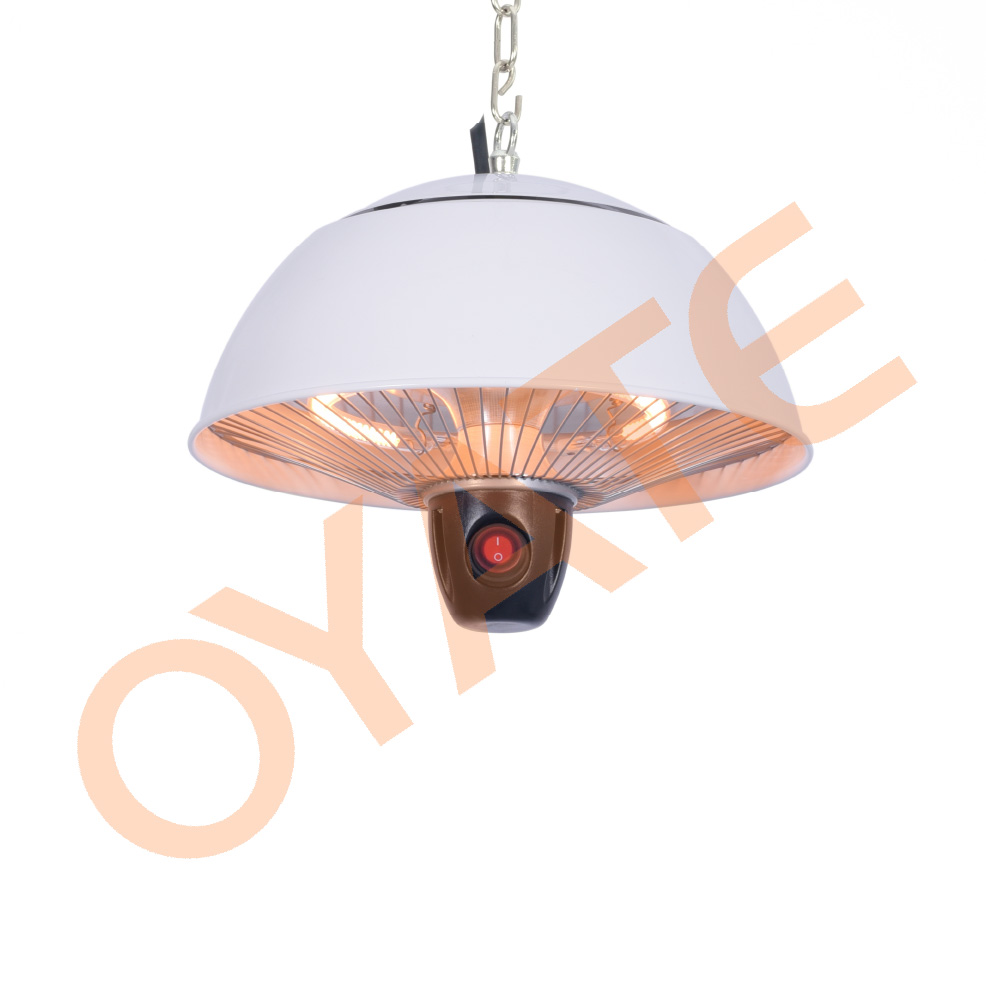
In a display window, details are everything. One dust mote on velvet, a subtle temperature shift across a product—and the whole impression falls apart. In a lab, even the faintest draft can throw off calibration. Standard heaters kick up dust and drafts. In both places, that’s an instant no-go.
What matters, technically
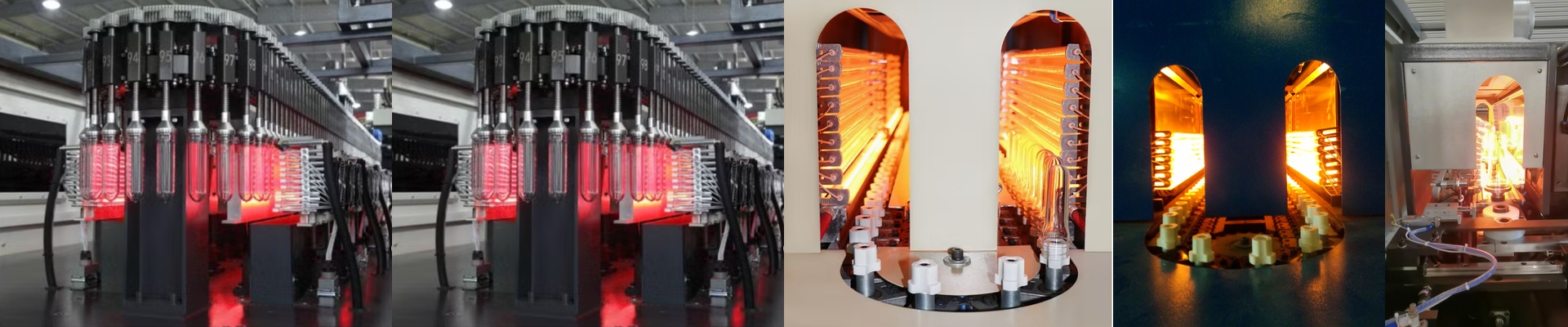
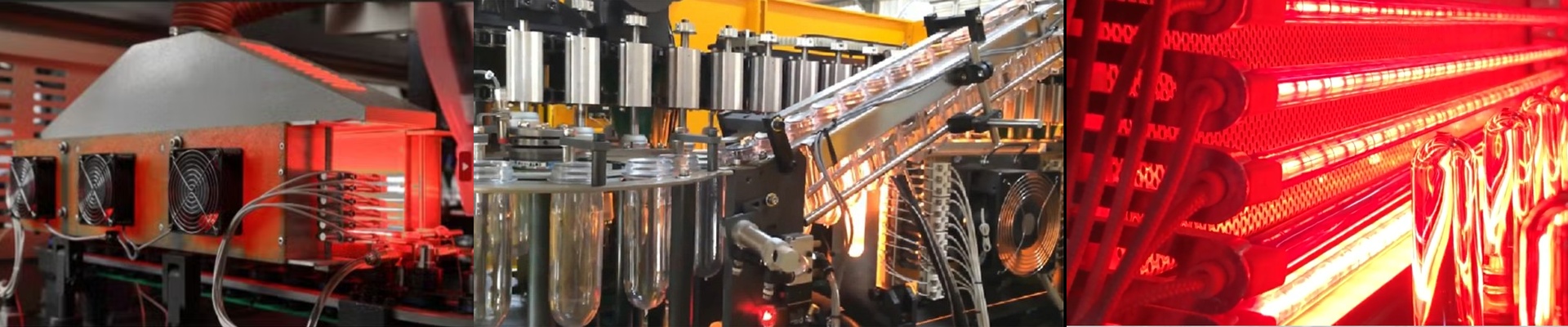
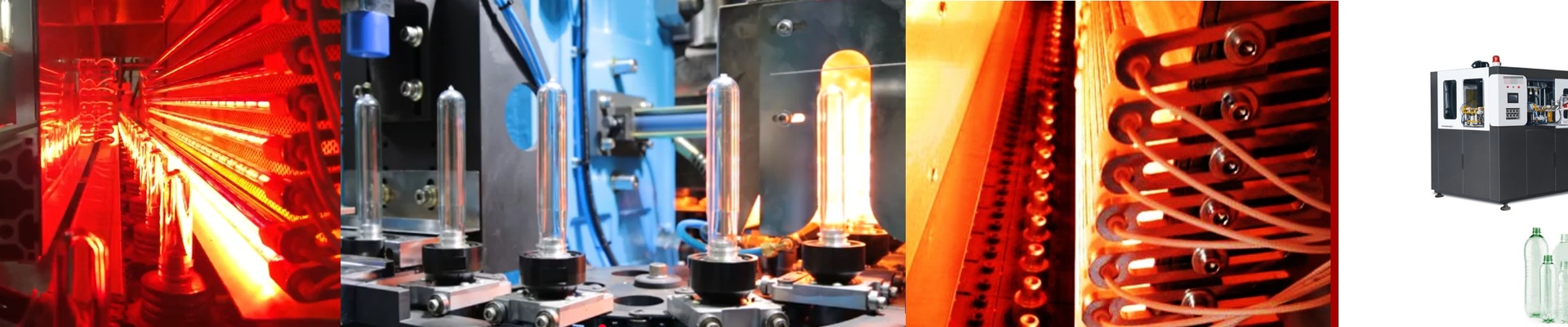
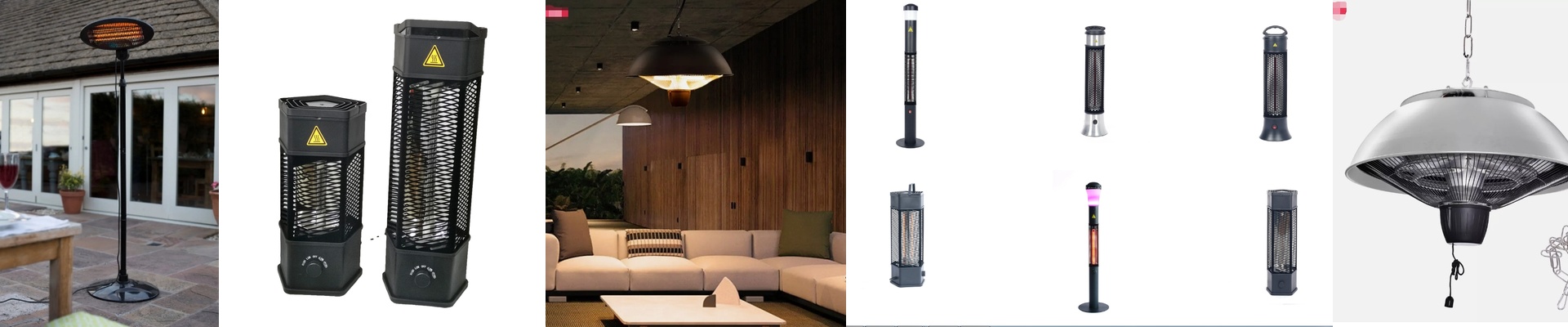
We build our decorative space heaters on infrared warmth, using quartz tube elements that radiate heat straight to people and objects, not the air. That gives you a clean, no-blow feel that keeps surfaces dust-free and leaves air undisturbed. Pick short-wave for fast, intense heat, or medium-wave when you want gentler, more even coverage. Power is matched to the space: compact units around 800–1500W for tight displays, and higher-capacity models up to 3000W for larger lab areas. They run on the voltages you already have—120V or 240V—and do it quietly, with no fan noise. A built-in thermostat holds the set point, and the housings are stout, with tip-over protection for day-to-day safety.
Why it works in these spots
In a show window, infrared heat protects fabrics and finishes, and the lack of air movement keeps displays clean—no static, no dust swirling. In a lab, the steady, draft-free warmth helps maintain stable conditions for sensitive equipment and samples, so results stay repeatable. Energy goes where you need it, heating people and objects directly instead of pushing warm air around. That focus can translate into lower operating costs and steadier temperatures wherever precision matters.
The things you’ll want to keep in mind
Infrared heat is directional, so aim the unit so it hits the target area straight on. Coverage depends on distance and angle. For the best fit, pair the heater with a compatible control—thermostat or timer—to match how the space behaves thermally. Keep the element clean and clear. Block it, and you’ll get uneven heating. These heaters are low-noise, but the quartz element does glow when it’s on, so in low-light settings you may want shielding.