Stop Fighting Bathroom Mold with a Sponge
Most of us look at those heat lamps in the bathroom and just think, “Nice, I won’t freeze when I step out of the shower.” But there’s actually something much cooler happening under the hood. It isn’t just about making the air feel cozy. It’s about how we move energy.
Why your space heater isn’t cutting it
Here’s the thing: air is actually pretty bad at moving heat. A standard heater just warms the air, but the walls stay cold. That’s where the trouble starts. We use shortwave infrared (SWIR) because it ignores the air entirely. It beams straight into your walls, floors, and ceiling. It’s like a deep-clean for moisture. The light penetrates the surface of your tiles or paint and pushes the dampness out through quick evaporation. If you keep those surfaces warm—above what we call the “dew point”—water can’t settle. And if water can’t settle, mold has nowhere to live. Simple as that.
The nitty-gritty on the gear
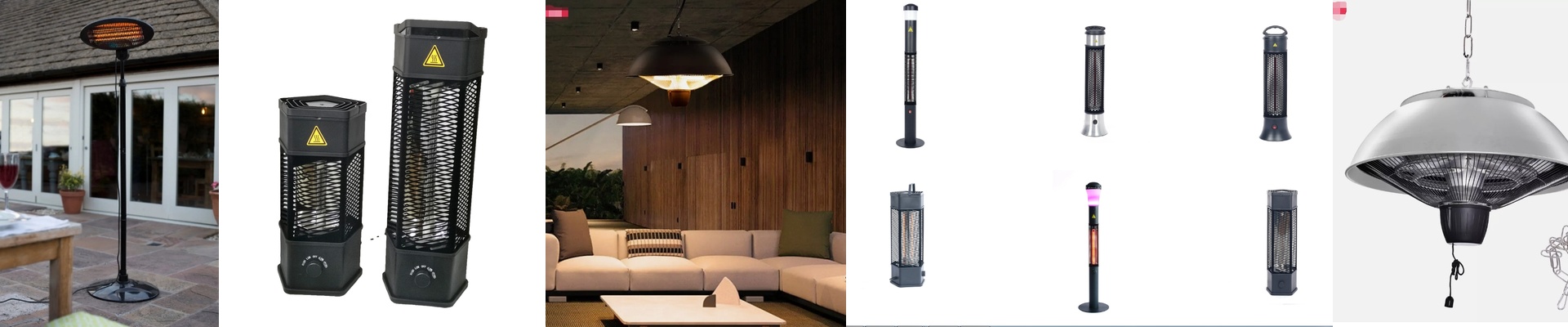
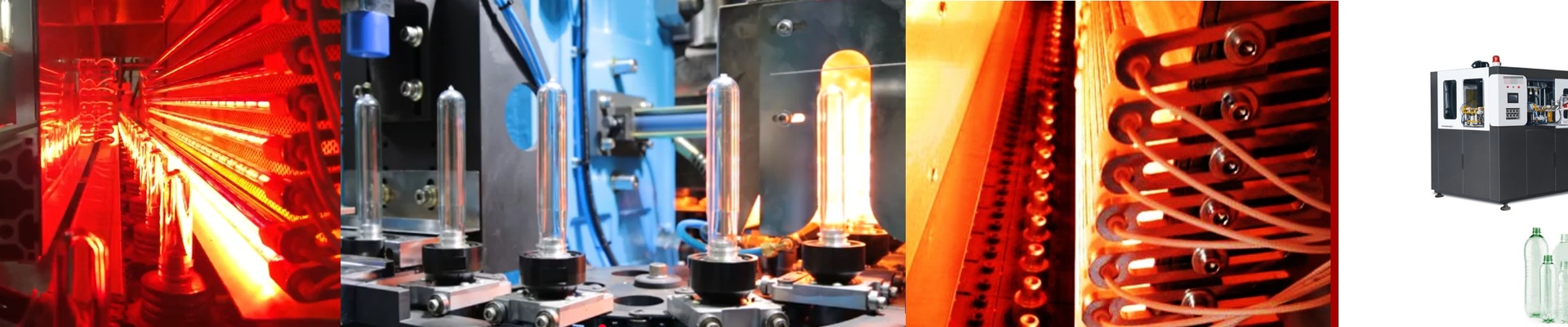
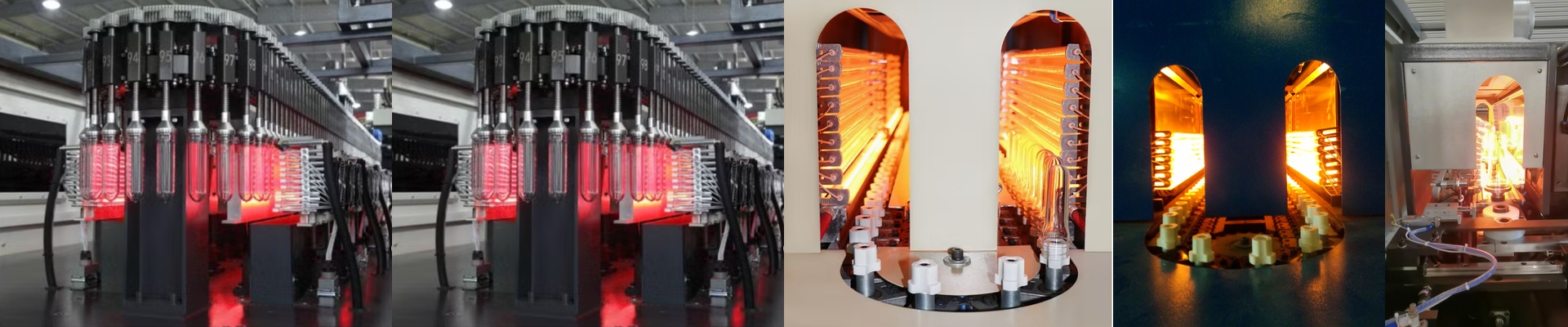
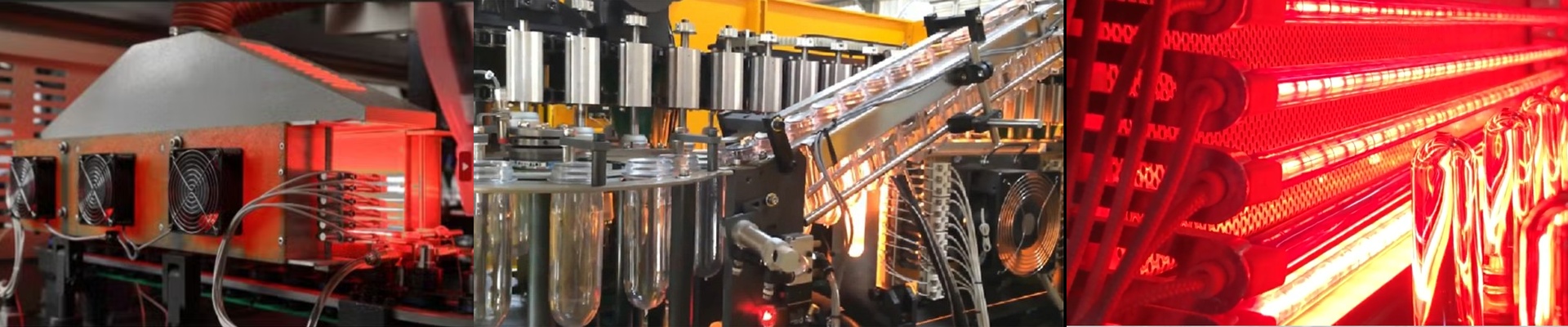
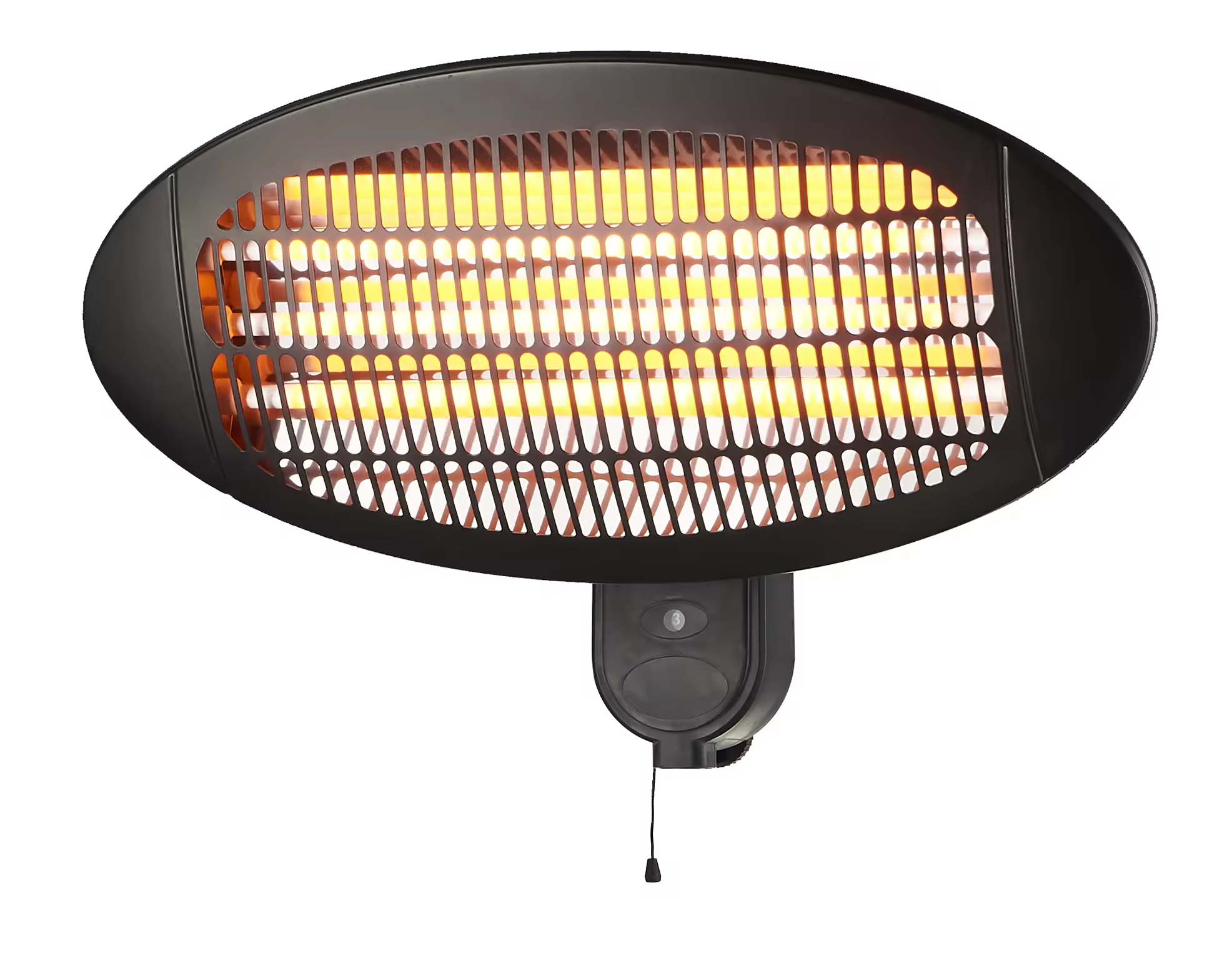
To get this to work, we use quartz glass tubes filled with halogen gas. Why? Because they can get incredibly hot without melting, which is exactly what you need to get that deep penetration. Most of these use R7s connectors, so when a bulb finally gives out, you just snap in a new one and you’re back in business. Now, there is a catch. These lamps put out a lot of raw power to dry the room quickly, which means they runhot. If you put them in a cheap plastic housing, the fixture will just warp and fall apart. You need high-grade, heat-resistant reflectors to keep the whole thing from cooking itself.
Making it actually work for you
Think of these lamps as a backup for your exhaust fan. Instead of just hoping the ventilation clears the steam, you target the “cold spots” where mold loves to hide. It takes the pressure off your vents and gets the job done faster. The best way to do it? Hook them up to a simple timer or a humidity sensor. That way, your bathroom stays bone-dry, but you aren’t burning electricity for no reason.