
The Secret to Why Some 1500W Heaters Actually Last
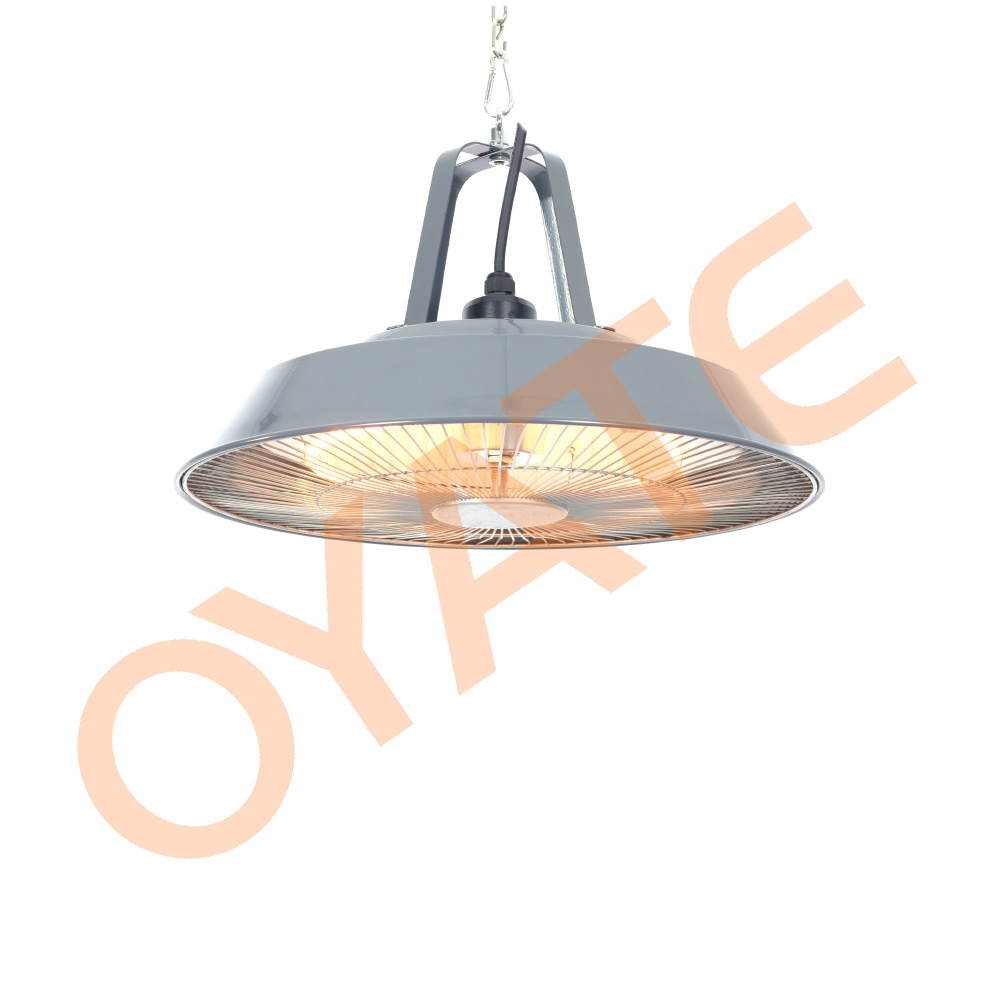
If you’ve ever had a gazebo heater die on you right in the middle of winter, you know how frustrating it is. Most of these 1500W ceiling units use shortwave infrared tech, and usually, it’s not the heating element itself that gives up. The real trouble starts where the lead wires meet the quartz tube. Think about it: that spot gets hammered with heat. Standard insulation just can’t take it. It shrinks, it cracks, and once that happens, moisture sneaks in. That’s when you get carbonization and short circuits. Basically, the heater kills itself from the inside out. The heat is brutal In a 1500W unit, the junction between the electrode and the wire is essentially in a war zone. A lot of the basic seals you find in cheaper models use simple silicone or low-temp glues. They just can’t handle the constant swinging between freezing cold and searing heat. Eventually, the insulation just pulls away from the tube. Now you’ve got bare wire exposed to the air and humidity. That’s why we lean toward high-density ceramic-to-metal seals or specialized heat-shrink sleeves that can sit at 250°C all day without flinching. It’s all in the craftsmanship We’re trying to stop something called “wicking.” That’s just a fancy way of saying moisture likes to travel down the wire straight into the core of the heater. To stop that, we use high-temp potting compounds that actually bond chemically to the quartz. It creates a tight barrier that keeps the bad stuff out. If you go with a cheap assembly, you’ll likely see the insulation char and burn after about 500 hours. A professional seal keeps everything stable and predictable. One thing to watch out for Here’s the catch: a better seal makes the wire a bit more rigid. If you’re installing one of these and you bend the wire too sharply, you might actually crack the seal or put too much stress on the electrode. You’ve got to leave a little bit of slack. Remember that the gazebo frame itself expands and contracts when the temperature changes. If that wire is pulled tight like a guitar string, the seal is eventually going to pop. Give it some room to breathe, and it’ll last a whole lot longer.