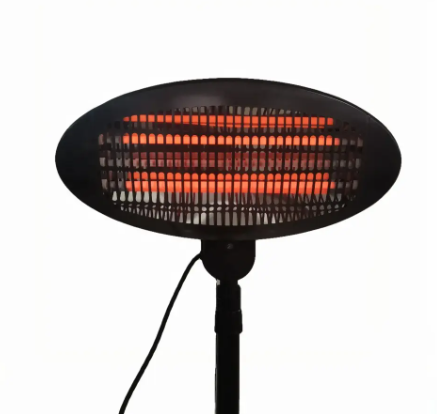
The Real Reason Your Infrared Heaters Keep Dying
Here is a little secret about infrared heaters: it’s rarely the heating element itself that gives out. Usually, the real culprit is the spot where the lead wire meets the quartz tube. When you’re pushing a heater to its limit, the heat doesn’t just stay where it’s supposed to. It creeps backward toward the electrical terminals. Over time, that heat turns the insulation brittle. It cracks. Then, it shorts out. Just like that, your heater is a brick. The problem with “cheap” seals If you buy a mass-market heater, you’re probably getting basic adhesives or some loose-fit sleeves. They look fine on a shelf, but they can’t handle the constant expanding and contracting of industrial work. The seal eventually snaps. Once that happens, moisture and grime leak into the junction. You get oxidation, electrical arcs, and suddenly you’re staring at a tripped breaker that’s shut down your entire production line. It’s a nightmare. How we do it differently We take a different path. We use a high-pressure, hermetic seal that basically welds the lead wire to the tube using high-temp ceramics and glass-to-metal seals. Think of it as a fortress. It blocks the heat from creeping back and keeps oxygen away from the internal connection. We also use silver-plated copper leads. They keep the electricity flowing smoothly and don’t rust or oxidize. We even vacuum-test every seal to make sure there isn’t a single air gap. The result? Wires that don’t wiggle, fray, or fail, even after thousands of heat cycles. One quick heads-up There is a trade-off. Because this seal is so solid, the lead wires are rigid. You can’t just bend them into a sharp angle during installation. If you try to force a tight curve, you’ll probably crack the seal. You just need to make sure your housing has enough breathing room so the wires can exit naturally. It’s a simple choice. Get the wiring right, and your heater lasts for years. Ignore the seal, and you’ll be spending your weekends replacing lamps every few months.