Introduction
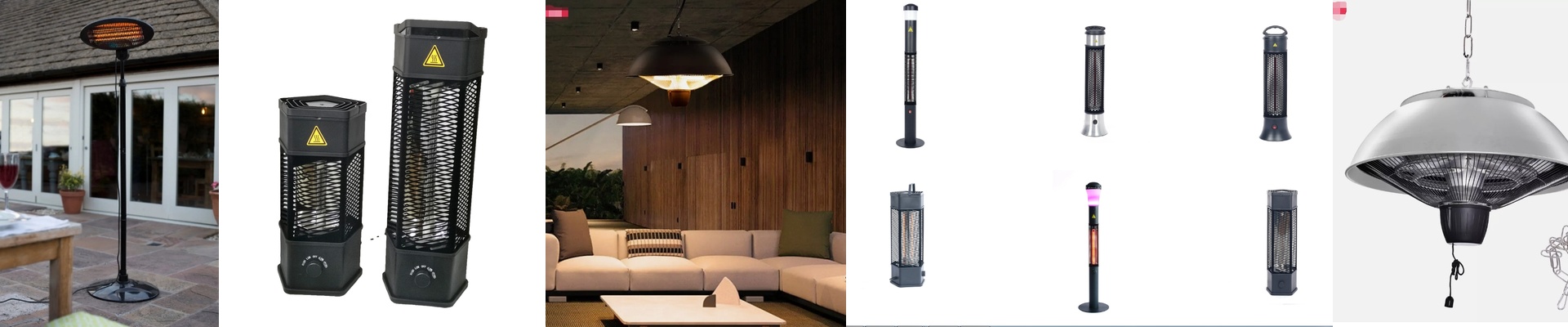
When we talk about putting a wall-mount patio heater in a bathroom, we’re not just chasing warmth. We’re chasing peace of mind. You need something that won’t blink when the air is thick with humidity, when the temperature swings wildly, or when there’s even a whiff of gas around. So we built our infrared heaters with explosion-proof quartz tubes. This isn’t some flashy add-on. It’s the real deal—a physical shield that keeps your family safe, especially when the unit is wired right into the wall.
Technical Deep-Dive
Here’s the thing about how these heaters work—it’s actually pretty elegant. Infrared heat moves through radiation, not by warming the air like a convection heater does. It travels in a straight line, toasting objects and people directly. In a bathroom, that matters. It keeps the air from getting soaked with moisture, which is what leads to corrosion and short circuits. The lamp runs at high wattage to deliver serious heat, but the voltage is tuned to work with your standard wall setup. And the whole unit is compact, so it fits into tight spots without taking up more room than it has to.
Material & Design
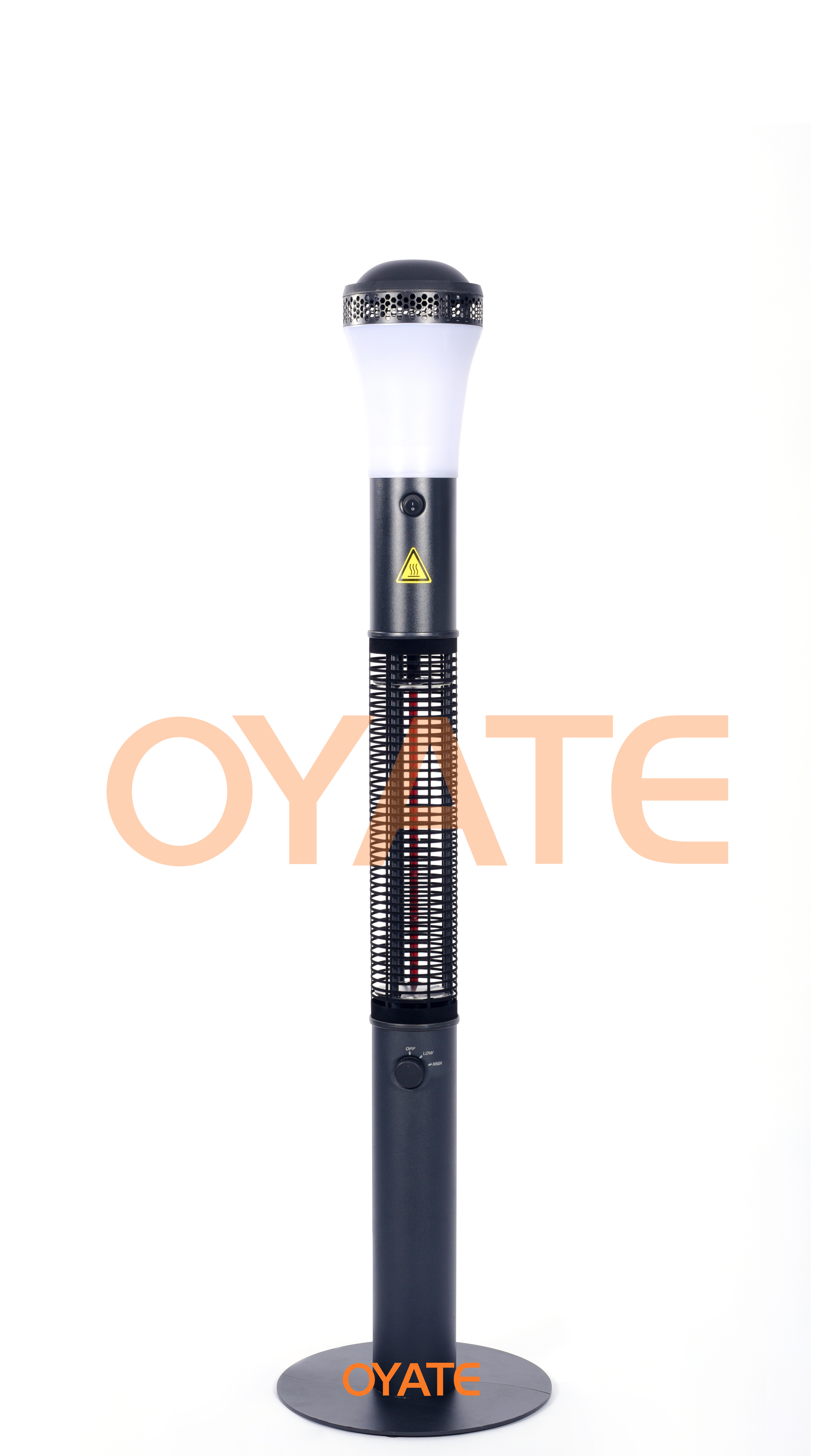
The heart of the system is that explosion-proof quartz tube. Regular glass just can’t handle the shock of heating up and cooling down so fast in a wet room. Quartz, on the other hand, stays solid through all of it. It’s sealed tight, too, so any sparks inside can’t reach flammable gases outside. That’s a huge safety win. The infrared coating is there to make sure as much electricity as possible gets turned into radiant heat. And the connectors are industrial-grade—built to hold firm, resist vibration, and just stay put once you wire it in.
Application & Benefits
Mount this on the wall, and you get heat exactly where you need it—without tripping over a heater on the floor. For anyone who cares about reliability, this design is a breath of fresh air. That quartz tube can handle daily on-off cycles and constant moisture without burning out. But there’s a trade-off to all that power. The high heat density means you need proper clearance from nearby materials and a cooling enclosure rated for the job. This setup is designed to slide right in as a replacement for standard patio heaters—but with one big difference. It’s built to survive the bathroom. It’s your last line of defense, making sure the heater never becomes the hazard, even when the environment turns hostile.