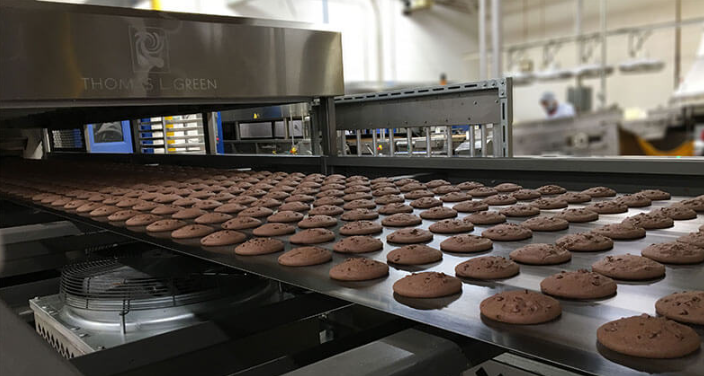
Cutting Rotary Oven Costs with Ceramic Infrared Heat
If you’re running a bakery chain and trying to grow, you know the headache of buying new gear. When you have to spec out dozens of rotary ovens, the cost of the heating elements can make or break your budget—both on day one and every month when the power bill hits. That’s where ceramic infrared heaters come in. They’re a straightforward way to keep your costs down without messing with the quality of your crust.
How the heat actually works
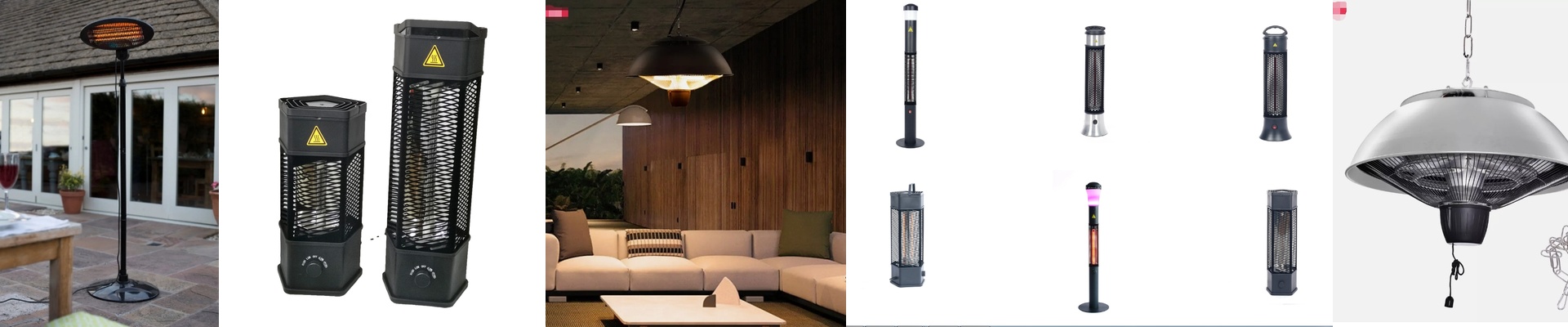
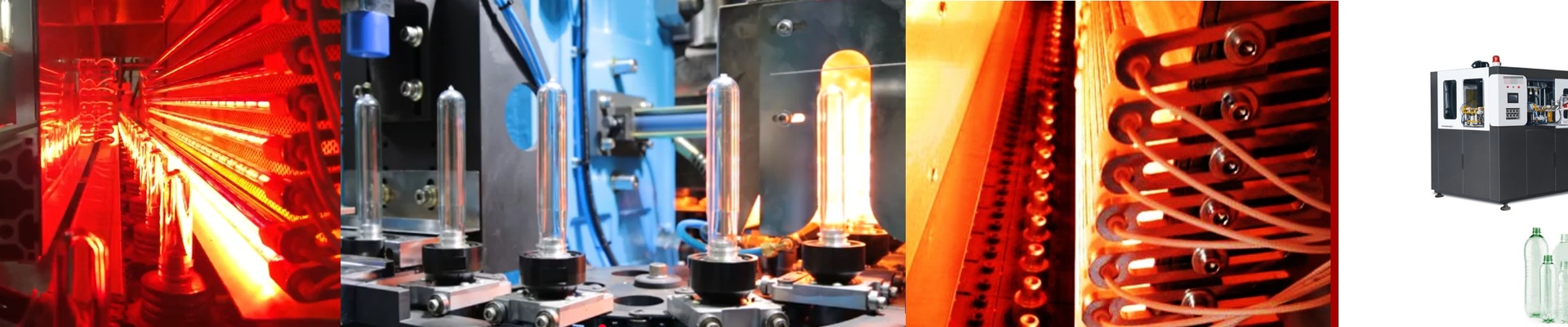
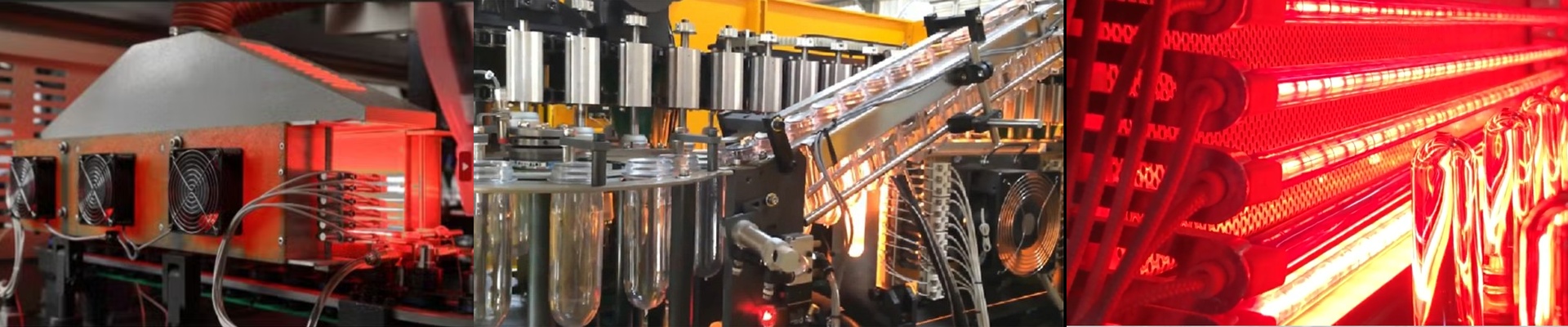
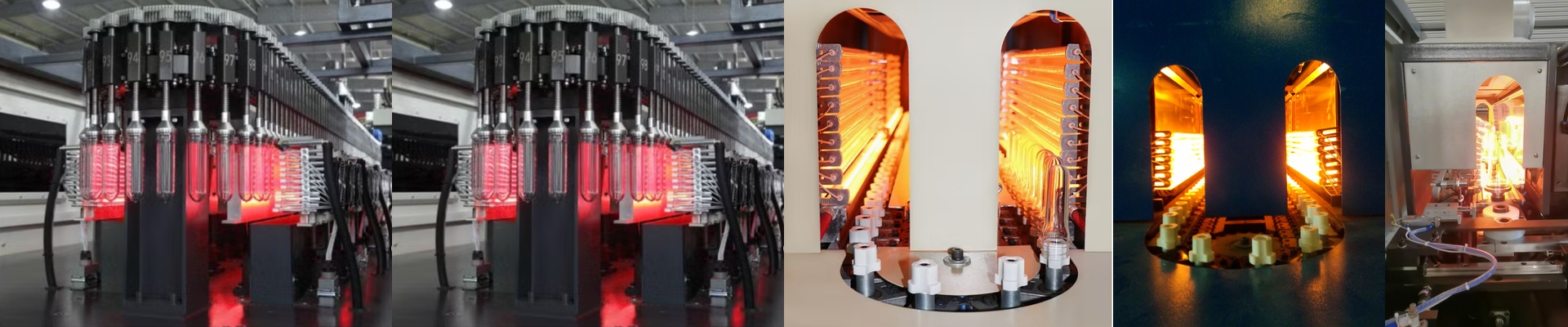
Most ovens just move hot air around. Ceramic infrared heaters are different. They use radiation. We wrap the resistive wire in high-alumina ceramic shells. Why? Because bakeries are brutal environments. They’re humid, they’re covered in flour, and they’re messy. The ceramic shell protects the guts of the heater so it doesn’t burn out the moment things get steamy. The heat hits the dough faster. You get that great rise and a consistent golden-brown finish because the energy penetrates the surface quickly. Plus, since the heat is directional, you aren’t wasting money heating up the oven walls. You’re heating the bread. Simple.
The trade-offs you should know about
We designed these to be drop-in replacements for those overpriced imported parts. By getting the wattage density right, you can actually use fewer heating banks per oven. But here’s the thing: you have to keep an eye on your voltage drops if you’re wiring up a huge batch of these. Make sure your contactors can handle the initial surge of power. Also, a quick heads-up on speed. Ceramic takes a bit longer to warm up than quartz lamps. If you need “instant-on” heat for flash-searing, these aren’t for you. But for the steady, soaking heat a rotary oven needs? They’re the way to go.
Why this matters for your bottom line
When oven manufacturers switch to high-value ceramic heaters, the whole build becomes cheaper. You get a heat source that can take a beating in a commercial kitchen and still keep humming. Maintenance is a breeze, too. If a bank finally gives out, you just swap the module and get the line moving again. No drama, no long downtimes.