Getting Your Deck Ovens to React Faster
Nobody likes a burnt crust. When you’re running a deck oven, the difference between a perfect bake and a disaster is a tiny window of temperature. To keep things steady, you’re flipping heaters on and off every few seconds. If your heating element takes forever to warm up, you’ve already lost the battle. That’s why we built our IR lamps to hit their target temperature in seconds. Not minutes. Seconds.
Why it actually works
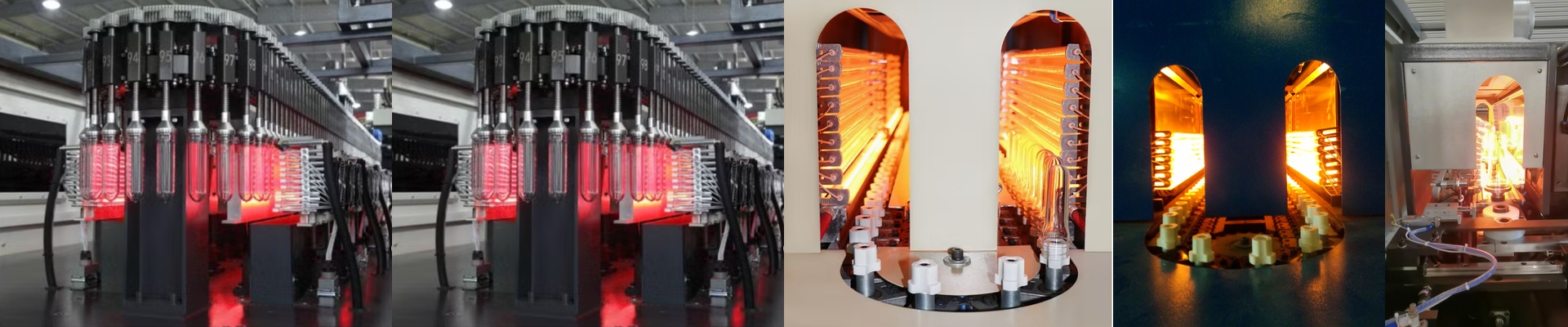
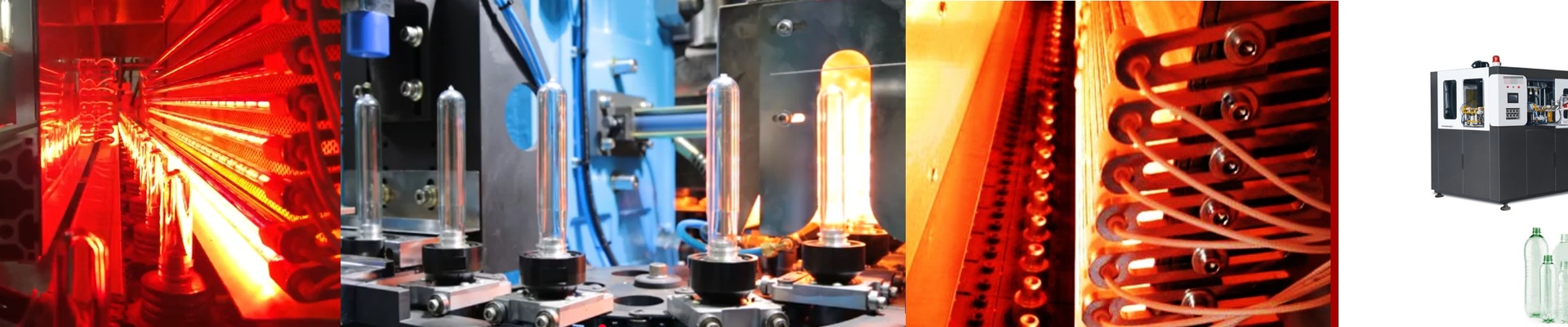
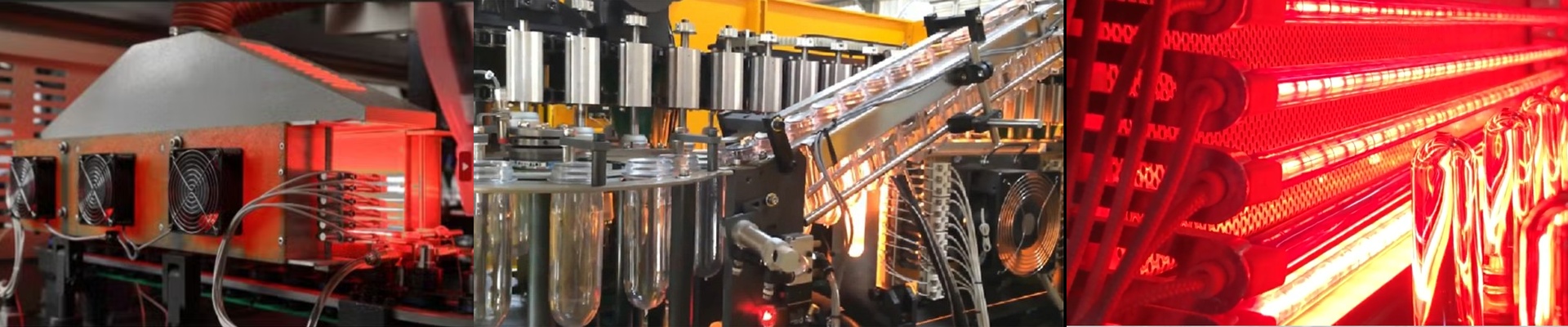
Most heaters rely on convection—basically heating up the air and hoping that air heats the food. It’s slow. We do things differently. Our quartz lamps use short-wave infrared, which means the energy jumps straight from the lamp to the surface of the product. The secret is the quartz envelope. It has very low thermal mass, so it doesn’t hold onto a bunch of useless heat. The moment that relay clicks, you get an almost instant blast of heat. It’s snappy. It’s responsive.
Dealing with the wear and tear
Here’s the thing: clicking a heater on and off constantly is usually a death sentence for the hardware. All that expanding and contracting makes the filament tired, and eventually, it just snaps. We fixed that by tweaking the filament tension and using high-purity quartz. It lets the lamp take a real beating from rapid power cycling without the filament sagging or giving up on you.
Fitting them in and a few warnings
These are designed to be drop-in replacements. They fit right into standard deck oven footprints, and we’ve got plenty of wattage and voltage options to match whatever power rails you’re already using. But a heads-up: high-density IR puts out some serious, concentrated heat. If you’re stuffing a high-wattage tube into a tight space,**check your ventilation.**If the air isn’t moving around the ends of the lamp, you’re looking at melted sockets or fried wiring. Just double-check your terminal temperature ratings before you wire up a high-output array. Better safe than sorry.