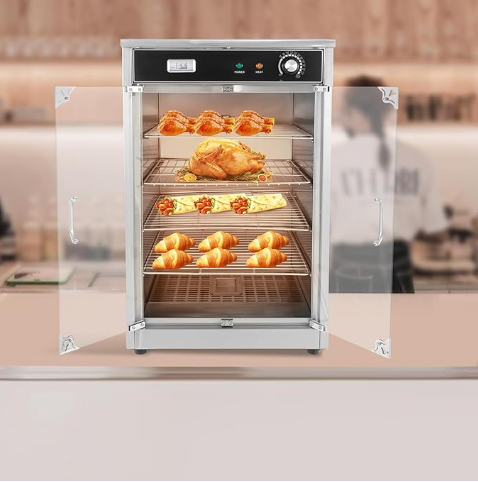
The line doesn’t wait when the rush hits. If your convection oven is slow to climb back to temp, tickets pile up, crusts miss their sweet spot, and hot holding drifts out of spec. We built our radiant-heated convection ovens for exactly that pressure—where you need speed, repeatable precision, and food safety, service after service.
What’s actually happening under the hood
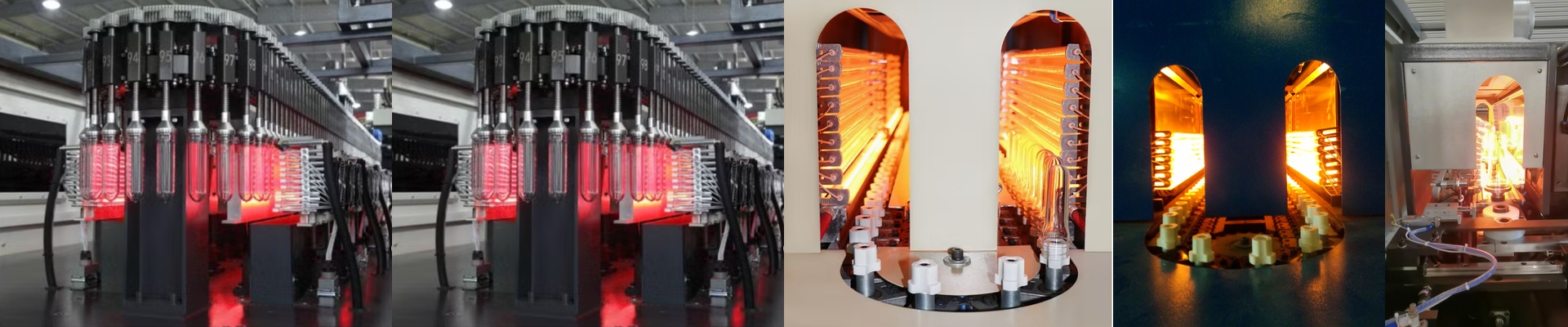
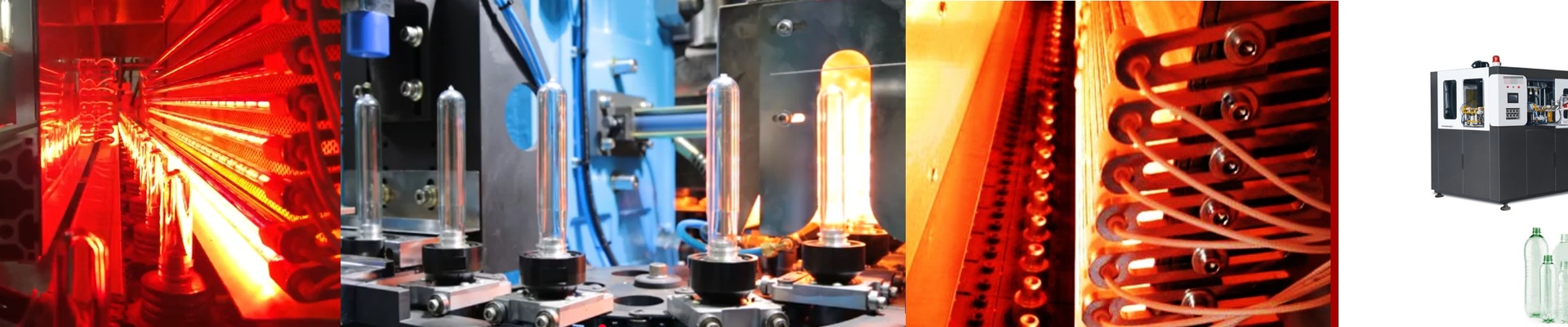
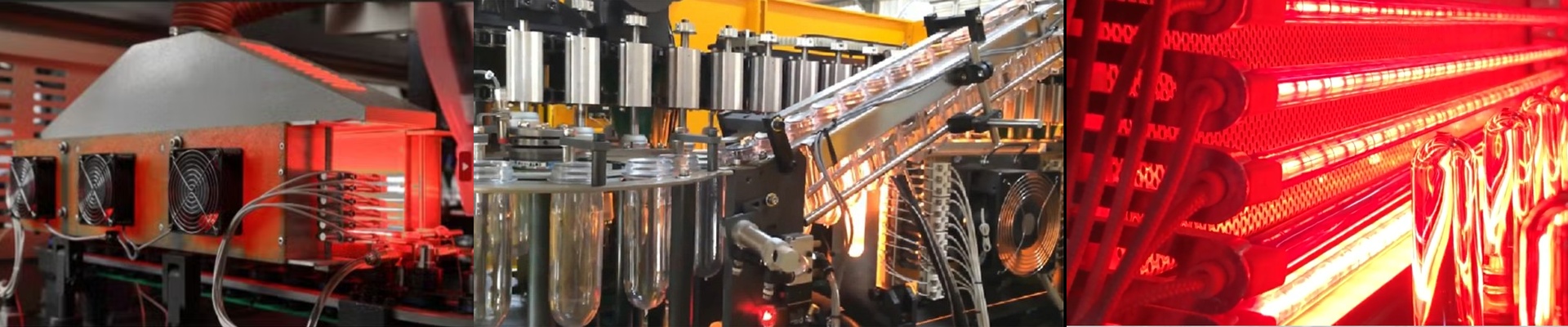
The core is a radiant heater working together with high-velocity convection. Radiant energy punches heat in fast, so the baking chamber comes up to setpoint in minutes, not tens of minutes. Then the convection air evens everything out, killing cold pockets across racks. That’s how you get consistent browning and predictable doneness—whether you’re running pans, sheet pans, or full multi-rack bake cycles. The thermostat response is tight, holding setpoints within a narrow band, so delicate items don’t over-set and savory proteins finish where you want them.
Why this matters on the line
Fast heat-up means faster turnaround. You get more bake cycles per hour, so tickets keep moving and peak service doesn’t choke. Precision control protects texture and appearance, and it supports food safety too: hot-holding stays in the safe zone, and rapid reheats hit target temps without guesswork. You’ll also see energy use drop, because the oven spends less time idling and recovers quickly after door openings. Fewer temperature swings translate to fewer reworked trays and less waste.
What to watch for when you spec one
These ovens integrate cleanly, but they still need the right electrical and proper clearances for airflow. Match voltage and amperage to your kitchen’s infrastructure, and keep intake and exhaust paths unobstructed. Dense loads—and stone hearth setups in particular—soak up a lot of heat. Plan your bake profiles with that thermal mass in mind. We’ve run units day after day with stable performance, but consistent results depend on solid airflow and clean air paths. That part isn’t optional.