How to Keep Food Hot Without Drying It Out
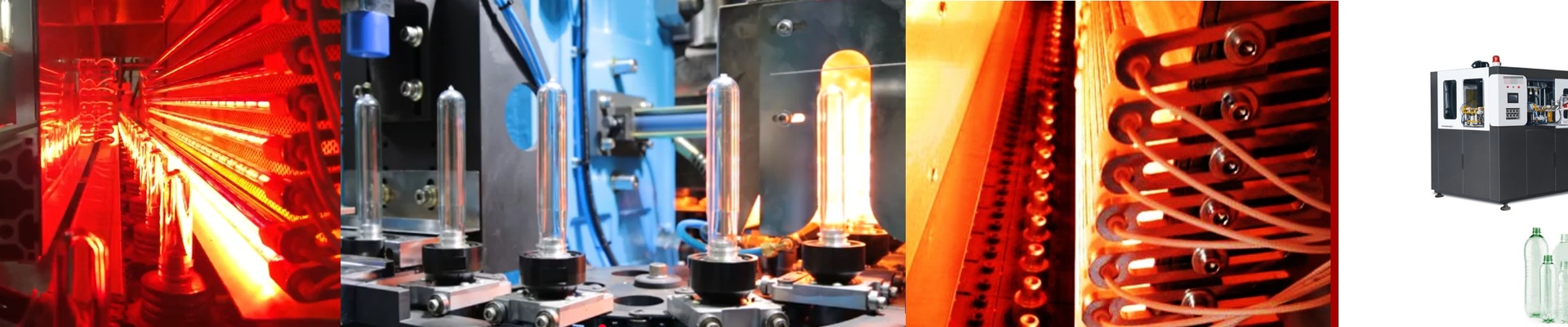
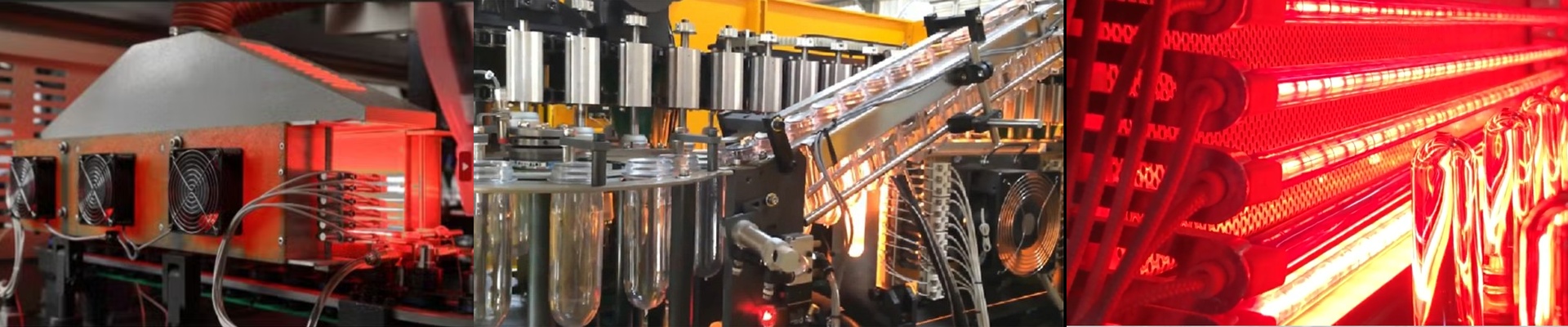
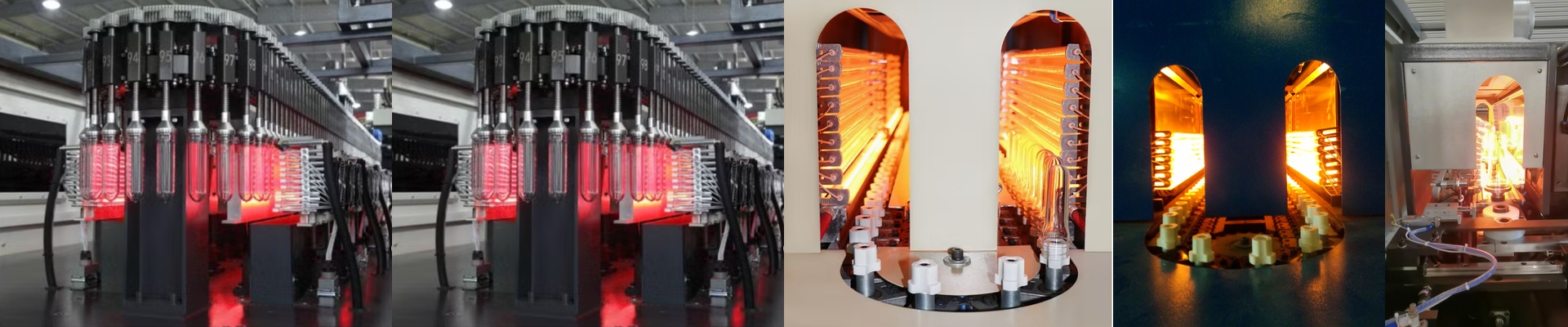
Ever notice how a standard convection oven basically mummifies your food? It happens because those ovens just blast hot air everywhere. We do things differently. We use short-wave infrared (IR) bulbs. Instead of heating up the air around the food, these lamps shoot energy straight into the surface. It’s a huge difference. You get food that stays hot, but the moisture actually stays inside where it belongs. The secret is in the wavelength. Short-wave IR digs deeper into the food than the long-wave stuff. When we’re designing these for kitchens, we obsess over “energy flux”—which is really just a fancy way of saying how much power hits every square inch. By tweaking the wattage and shifting the distance between the bulb and the plate, we can dial in the heat perfectly. This means you don’t end up with a burnt, leathery “skin” on your food while the middle is still lukewarm. Why the hardware matters Most of our high-power bulbs use a quartz envelope and a halogen cycle. I know that sounds like a science project, but here’s why it matters: the halogen gas stops the filament from evaporating and gunking up the glass. If that glass gets cloudy, your heat drops and you get cold spots. It’s a nightmare. We also use specific connectors, like R7s or Sk15, to make sure the fit is tight. A loose connection is a disaster—it’ll arc and fry your socket in no time. The trade-offs IR heating is fast. Like, instant fast. But that speed is a double-edged sword. You need a really tight control loop. If your PID controller isn’t tuned just right, you’ll overshoot your temperature and accidentally sear your food. Also, keep in mind that these bulbs get incredibly hot. You’ve got to give the oven housing plenty of breathing room, or you’ll risk warping the entire chassis.