

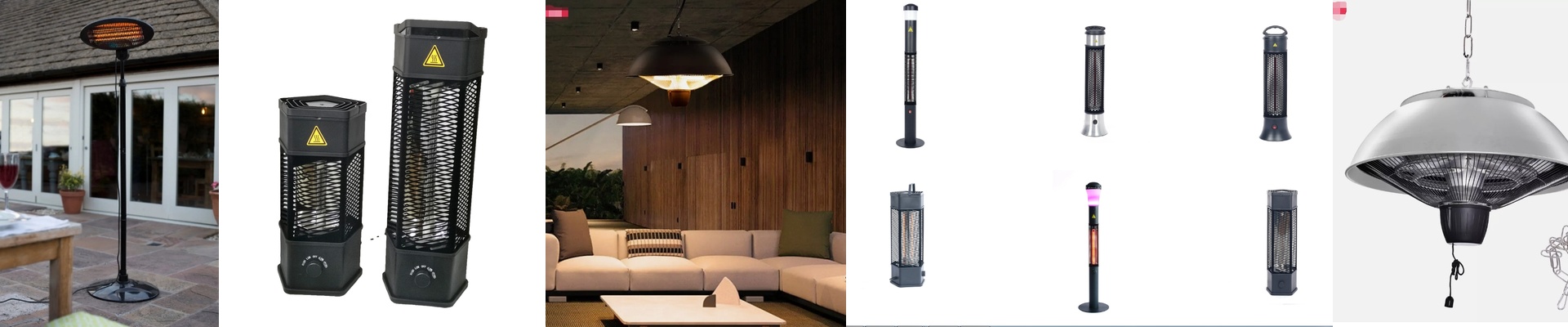
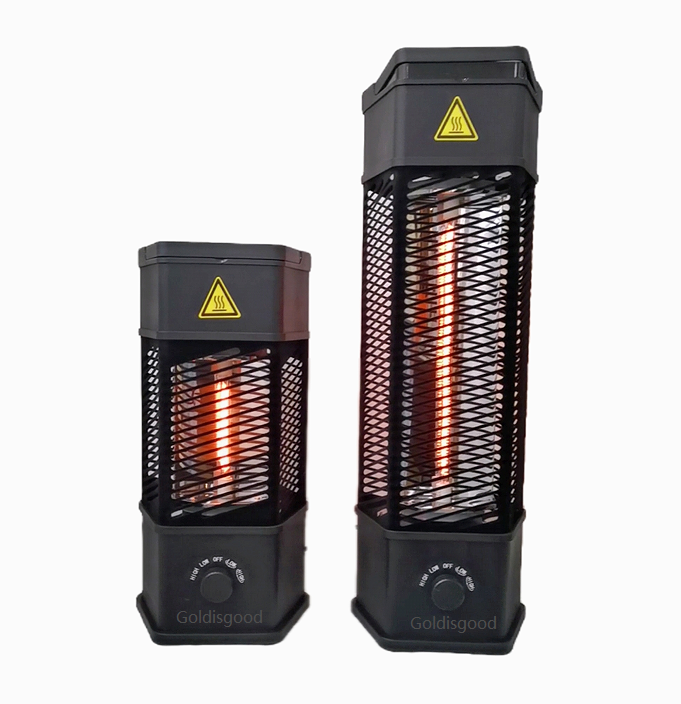
Step outside on a crisp evening and hit the switch. The warmth hits you almost immediately—no waiting around, no dead spots. That’s the real, quiet payoff of a heavy-duty electric infrared heater. What’s actually going on under the hood We build these around radiant technology, so the heat goes straight to people and objects, not the air. Inside, you’ve got a carbon fiber element or a quartz tube that fires up fast, delivering focused warmth that feels natural and even. Most models run on a standard 240 V circuit and put out 1.5–3.0 kW—enough to cover a patio, a workshop, or semi-outdoor living spaces. Look for a housing that’s actually built, a built-in thermostat for steady comfort, and safety basics like tip-over protection and an overheat cut-off. If it’s going outside, make sure it’s rated at least IP34—so it can handle splashes and dust without blinking. Why this approach makes sense Infrared shines where warm-air systems drag their feet or get fussy. The heat is directional, so you feel it the second the element lights—much like stepping into a sunbeam. That translates to faster comfort on the deck, quicker thawing in the garage, and more stable conditions in the workshop. You also cut down on wasted energy because you’re heating what you use, when you use it, not empty space. Fewer cold-start waits. More consistent comfort. And the setup stays straightforward, so the focus stays on living. What to keep in mind Radiant warmth performs best in open or semi-enclosed spots where air moves around, because it warms people and surfaces directly. If you’re in a fully enclosed room, pair the heater with a gentle circulation fan to even out the feel. Plan your placement up front. Mount high for broader coverage, aim lower when you want targeted comfort, and leave clearance around the unit so airflow isn’t choked. And before you plug in, confirm the outlet and circuit can handle the load—these are heavy-duty heaters, and matching the wiring keeps performance safe and steady.