Getting the Heat Right in Your Husky HyPET
If you’ve spent any time on a shop floor, you know the frustration of uneven wall thickness. It’s a pain. You’re running high-speed PET blowing, but the heat just isn’t hitting the center of the preform. You end up with scorched surfaces and a pile of rejects that eat into your margins. That’s exactly why we built our replacement lamps for the Husky HyPET series.
How we actually get the heat inside
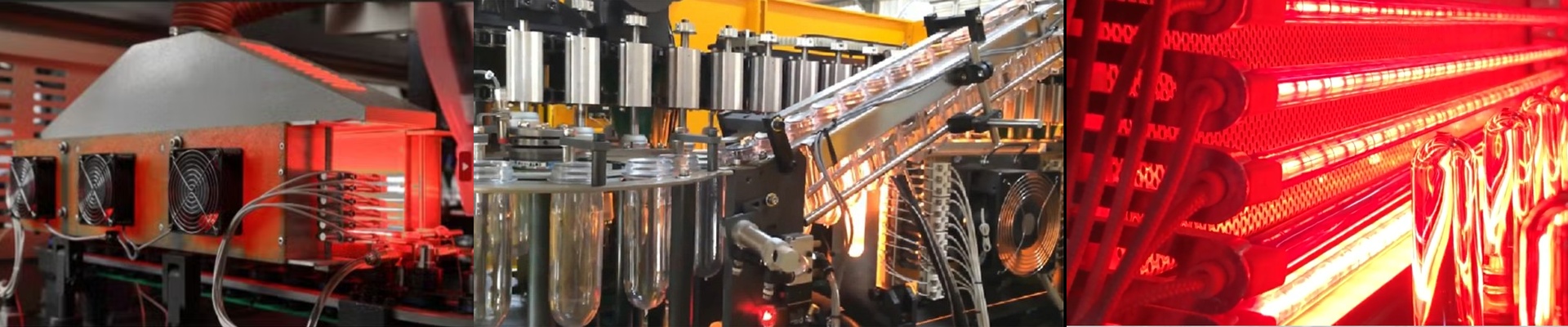
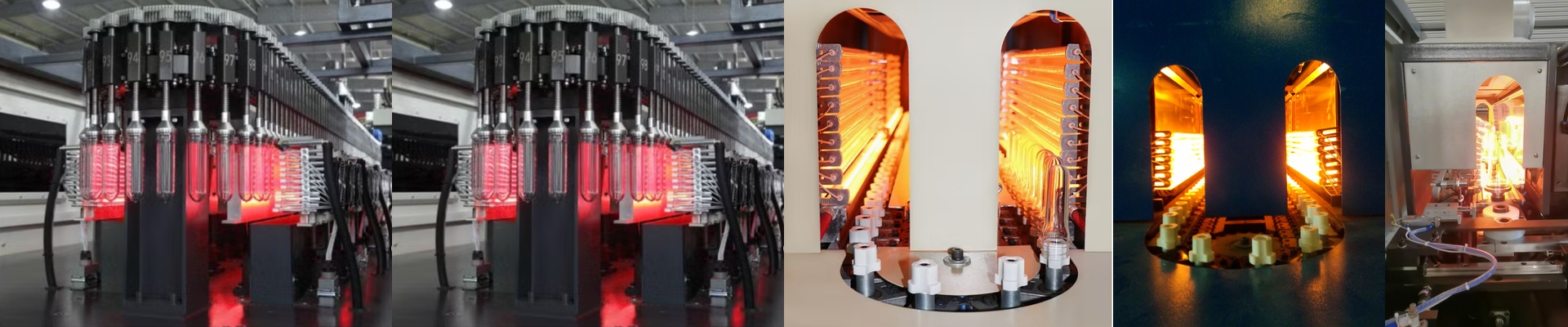
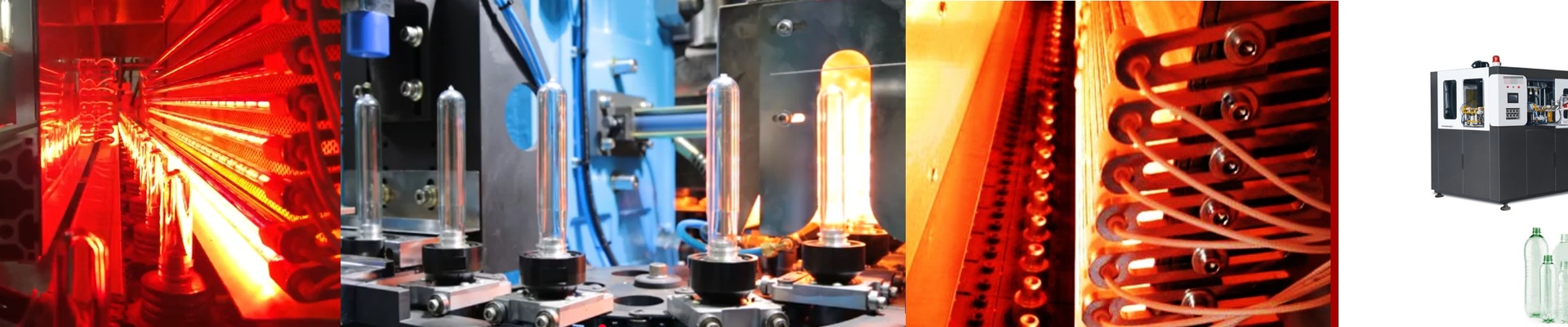
Here is the trick: we don’t just blast more heat at the plastic. That would just burn the outside. Instead, we tweaked the tungsten filament density and the internal gas pressure to shift the spectral output. Basically, we’re optimizing the short-wave infrared (IR) emission. This lets the energy dive deeper into the PET material. You get a uniform melt throughout the whole preform, which means your stretch-blow process actually works the way it’s supposed to.
No rewiring, no headaches
We made these as drop-in replacements. Period. We matched the OEM footprint, voltage, and wattage exactly. Whether you’re dealing with R7s or SK15 connectors, they just fit. Plus, we use high-purity quartz glass. It’s tough. It doesn’t burn out the second you push the wattage, which is what you need when you’re running 24/7.
A quick warning about your reflectors
There’s a catch, though. These lamps put out a massive amount of heat density to keep your cycle speeds high. But that puts a lot of pressure on your reflectors. If your mirrors are pitted or oxidized, you’re wasting energy. You won’t feel the full punch of that IR output. Do yourself a favor: every time you swap a set of lamps, take a look at your mirror finish. If they’re dull, it’s time to clean or replace them.
Keeping things running
These tubes are built to take a beating, but they aren’t magic. When you’re wiring them up, make sure the contacts are spotless. A little bit of oxidation at the terminal creates a hot spot, and that’s a fast track to a dead tube. And while you’re at it, blow the dust out of your cooling blowers. Keeping the air moving around the housings keeps everything cool and extends the life of your gear.