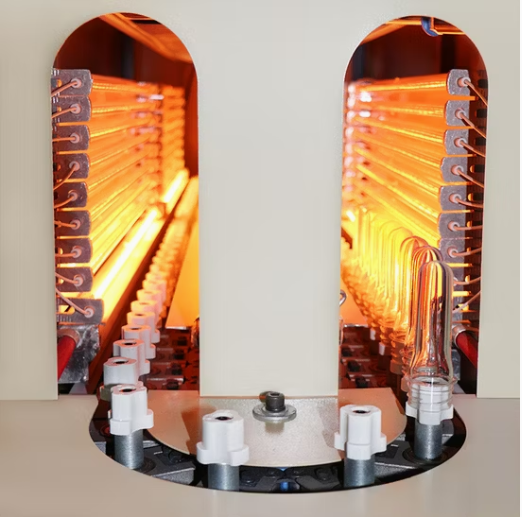
Stop Fighting with Your Heat Fields in PET Blow Molding
If you’re running KHS or Sidel machines, you know the frustration of uneven wall thickness. One part of the bottle is perfect, and the other is thin as paper or skewed. It’s a headache. Usually, when you spot those annoying “cold spots” in your preform, it’s because your heating lamps aren’t putting out the right kind of energy.
Getting the heat where it actually matters
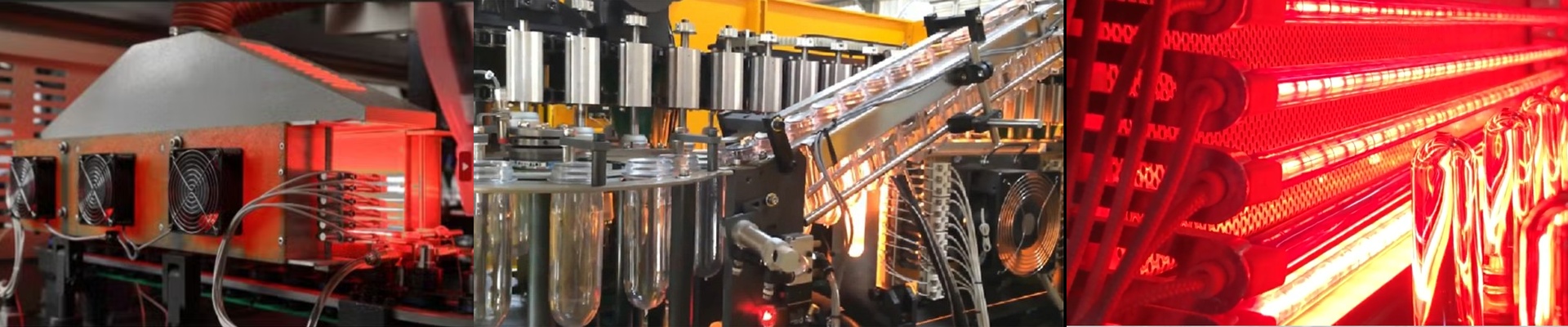
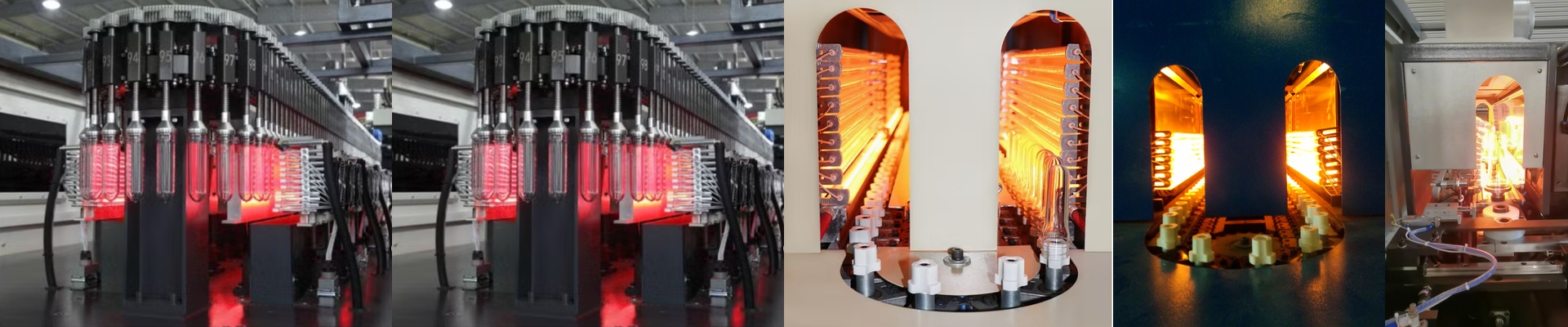
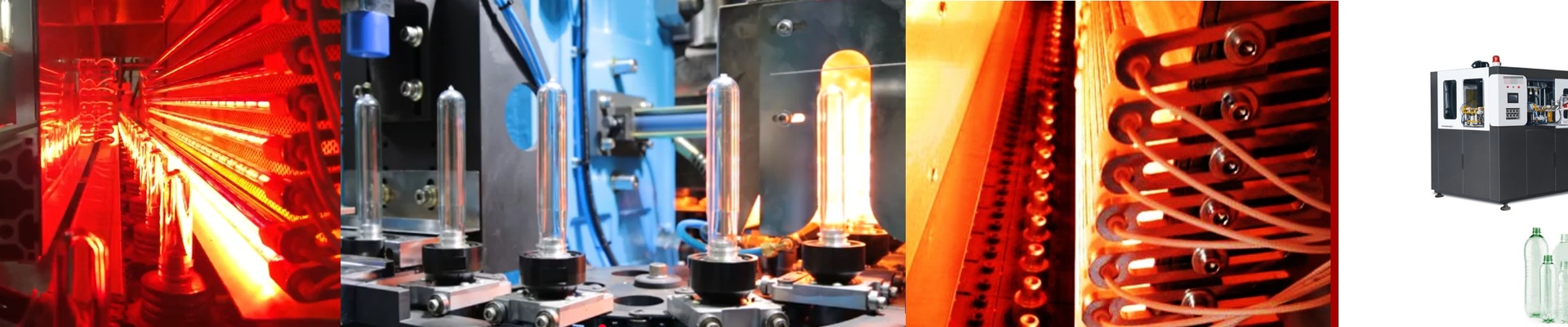
We don’t do generic tubes. We build our replacement lamps to hit the specific spectral sweet spot that PET resin actually likes. The trick is in the calibration. We tweak the wattage and voltage so the heat hits exactly where the stretch blow happens. By using a higher voltage spec, we can keep the lamp compact but still give you a concentrated thermal punch. It penetrates the plastic faster. No more guessing if the center is warm enough.
The gear under the hood
We use high-purity quartz glass because, let’s be honest, nobody wants to be swapping lamps every two weeks. There’s a halogen cycle inside the tube that stops the filament from evaporating too fast, so they actually last through constant cycling. Installation is the easy part. We use R7s or SK15 connectors, meaning they just slide right in. You can plug them into your existing sockets without having to rip apart or modify your oven housing. And if you’re working with weird preform colors or materials that just won’t absorb standard shortwave radiation? We’ve got coated options to shift that wavelength and get the job done.
A quick heads-up on the trade-offs
Here’s the thing: these lamps pack a lot of power into a small space to fix those uniformity issues. That means your cooling blowers have to work harder. Before you swap in high-wattage tubes, take a second to check your airflow. If your ventilation is clogged with dust, you risk overheating your reflectors. It’s a simple check that saves a lot of money. Just stick to the voltage specs, keep your vents clear, and you’ll see fewer rejects and faster cycles. It just works.