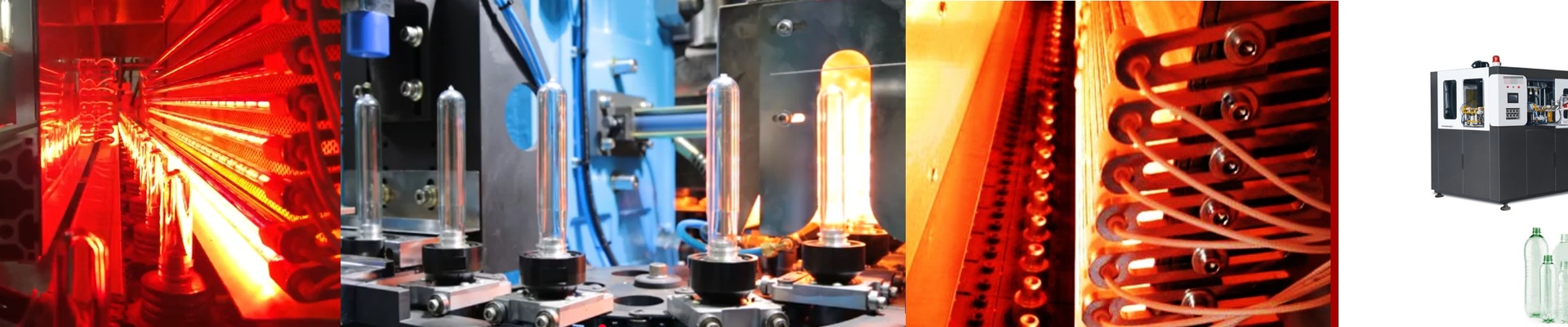
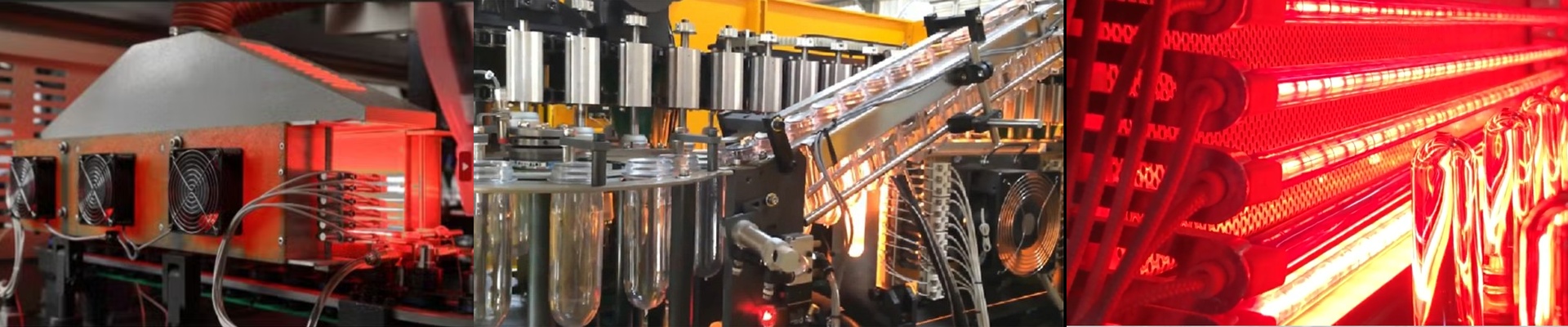
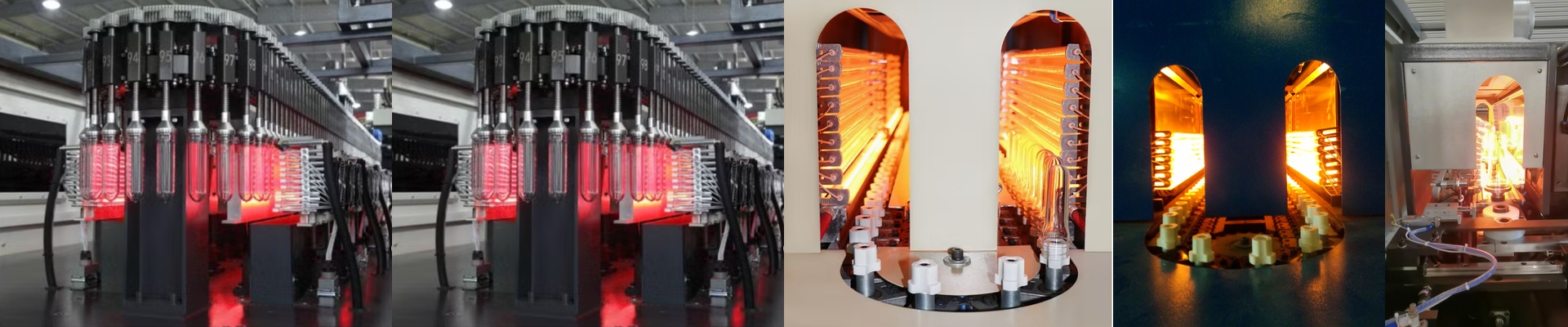
Getting Your Sidel Matrix Heat Just Right
If you’re looking for a replacement infrared lamp, you probably already know that wattage isn’t the whole story. It’s a common trap. You can match the numbers on the box, but if the spectral output or heat density is even a little bit off, you’re in for a headache. Your PET preforms will either come out under-heated—leaving you with uneven walls—or they’ll overheat and get that annoying pearlescent look. That’s why we built our Sidel Matrix lamps to be exact clones of the factory specs. We wanted to make sure your temperature ramp-up stays exactly where it should be.
The nitty-gritty of the heat curve
Here is the thing: keeping a consistent heating curve comes down to the ratio of voltage to wattage across that quartz tube. If the filament winding is off by even a fraction, the infrared pattern shifts. To stop that from happening, we match the OEM’s ohmic resistance precisely. What does that actually mean for you? It means when you plug these into your Sidel power controllers, the current draw and heat flux just… work. You won’t have to spend your entire afternoon tweaking oven settings or messing with conveyor speeds just to fix “hot spots.”
Built to fit, built to last
We use high-purity quartz glass because these things take a beating with rapid thermal cycling. They’re true drop-in replacements. The connectors have the same tolerances as the originals, so they snap right into place. No fighting with the leads, no stressing the wires. We also use a specific halogen gas fill to help the filament last longer. Just a heads-up: you’ll still see a natural drop in brightness as the lamp gets older. That’s just how shortwave IR works.
A quick reality check
High-density IR lamps put a lot of pressure on your oven’s ventilation. Our lamps deliver the heat you need, but they can’t do the cooling for you. Keep those cooling blowers clean. If the airflow gets choked up, the ambient heat will eat away at your lamp’s lifespan, no matter how well it was built.