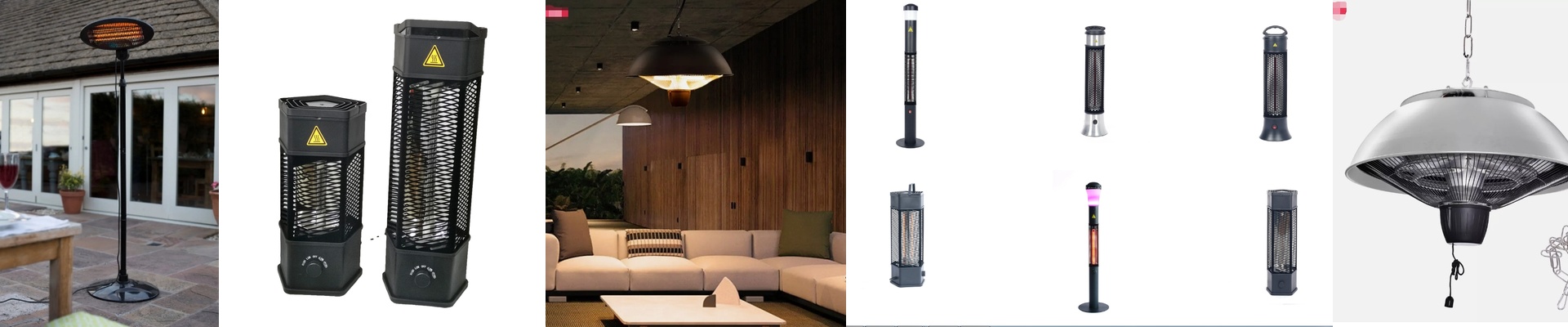
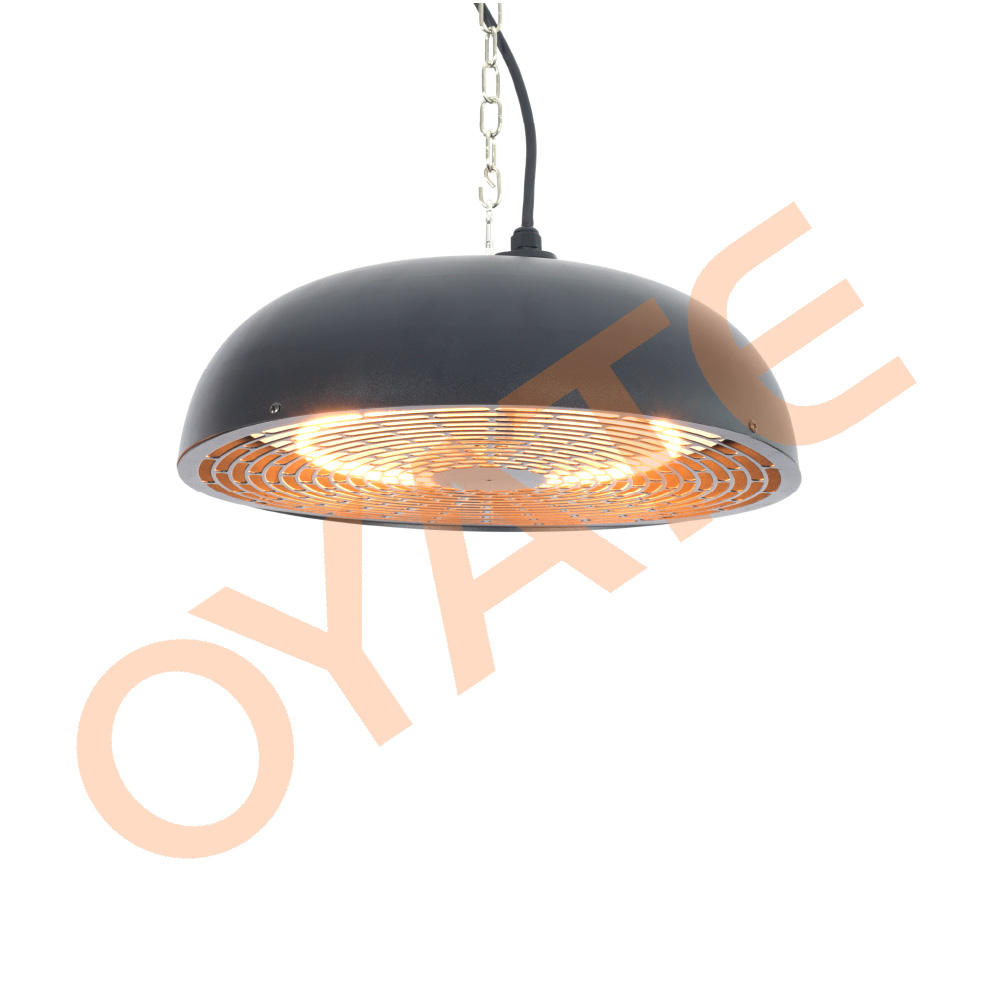
A fogged-up display window or a lab bench that drifts off spec can erase hours of prep work in a heartbeat. In these spots, comfort isn’t about cranking up the air temperature. It’s about steady, directional warmth—without moving air or dust. What matters under the hood Infrared heaters warm people, products, and surfaces directly, the way the sun does—only controlled. In our units, a carbon fiber element or quartz tube turns electricity into radiant heat, so the air stays still. An overheat protection thermostat kicks the heater off if the core runs past its limits, then lets it restart once it’s back in the safe zone. The payoff is consistent output, no drafts, and no fan to stir up particulates. Many models also use sealed housings and IP ratings, making them suitable for indoor use where cleanliness counts. Why this approach fits In a display window, clarity is the whole game. No drafts to make fabrics ripple, no dry air to dull finishes. Infrared warmth keeps the merchandise—and the air right around it—comfortable, and the glass stays clearer. In a high-precision lab, equipment and samples are sensitive to temperature swings and airborne particles. Radiant heat holds the target temperature on the bench without cycling the room air, which helps processes stay consistent. Because the heater targets the area that needs warmth, energy use stays focused, and you cut down on wear on filters and ductwork. What to keep in mind Infrared heat is directional, so placement matters. Mount it to hit the target zone, not the entire room. For continuous operation, match the heater to the voltage and outlet, and leave clearance around the unit for airflow and heat dissipation. In very humid locations, a heater that isn’t properly sealed can be a problem, so check the IP rating and choose a sealed design for damp indoor areas.