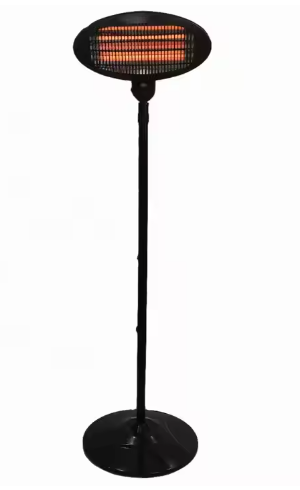
Walk a display floor and you’ll notice the details—how the light hits the glass, how the fabric hangs, how every polished surface looks its best. Step into a lab and the story changes, but the requirement is the same: heat that stays out of the way. No drafts. No dust kicked up. No noise. When the heat isn’t steady, you feel it fast—streaks on glass, readings that drift, and the extra time spent chasing stable conditions instead of getting the work done.
What we built, and why it matters
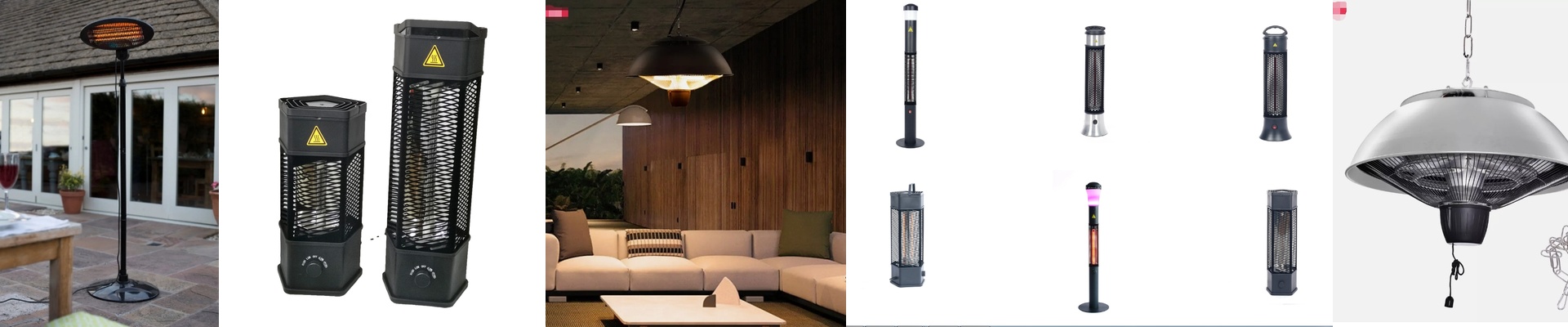
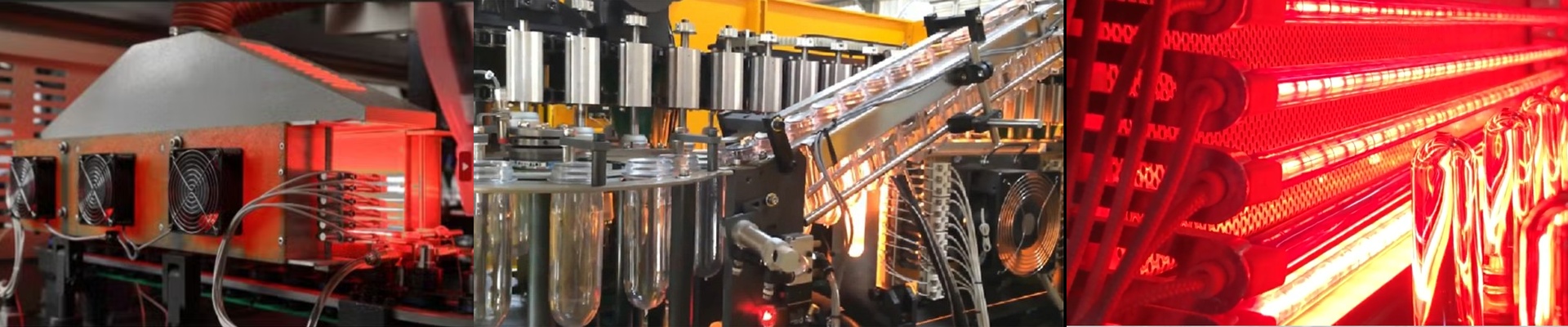
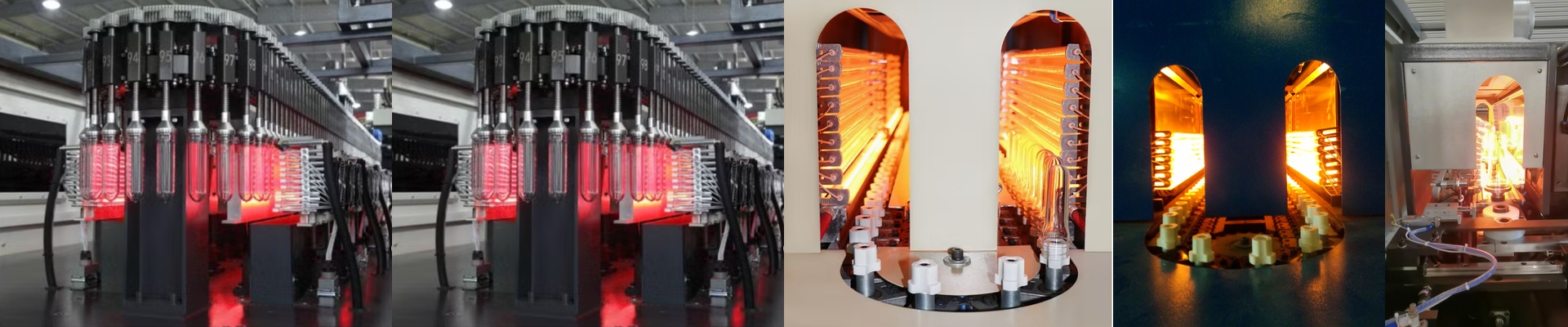
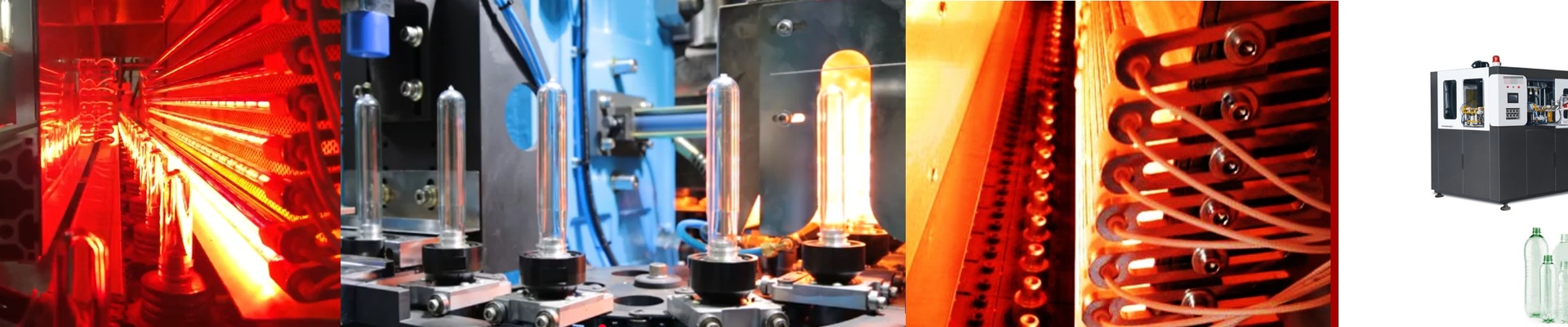
We built this industrial electric heater around radiant infrared warmth, using a durable quartz tube element. The heat shows up the instant you switch it on—no waiting around—and it holds steady where it lands. Because there’s no blower, there’s nothing to stir dust or push air around. A tight thermostat keeps the setpoint consistent, and the unit runs quiet. Just the warmth. No fuss.
Where this shines in practice
In a display window, infrared heat keeps surfaces dry and clear, so customers see the crisp visuals without fogging or uneven hot spots. In a lab, the clean, draft-free warmth helps protect sensitive instruments and materials from temperature swings and particulates, so results stay repeatable. And because the heat is directional, you aim it where you need it—less wasted energy heating empty air.
The details you need to plan right
This is an electric radiant unit, so it works by line-of-sight—objects and people in the beam warm first. For even coverage, place it so the beam hits the target area without leaving cooler gaps. It also needs a dedicated circuit that matches its voltage and amperage. If you’re running it near water or in damp spots, confirm the IP rating before you install.