Why You Actually Need Explosion-Proof Quartz Tubes in Your Heaters
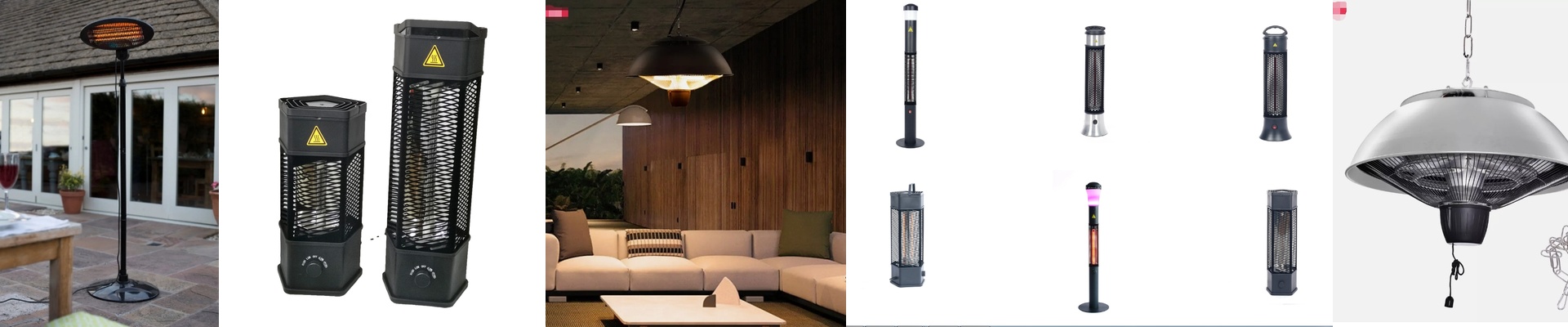
If you’re picking out an infrared heater for a bathroom or a patio, you’ve probably seen the “IP65” label. It sounds impressive. Basically, it means the outer shell is sealed tight so dust and water sprays don’t fry the wiring. But here’s the catch: that rating does absolutely nothing for the heating element itself. When it comes to the actual bulb, you’re dealing with something called thermal shock. Imagine a quartz tube glowing at 600°C. Now imagine a stray drop of cold shower water hitting that surface. Crack. Standard glass can’t handle that kind of sudden temperature swing. It contracts too fast and just gives up. That’s why we use explosion-proof quartz. It’s built to take those hits without shattering, acting as a critical safety wall between a high-voltage filament and whoever is standing under the heater. We use high-purity silica for these tubes. It keeps the glass from warping after months of heating up and cooling down. Plus, since it’s short-wave infrared, the heat doesn’t waste time warming up the air around you—it goes straight to your skin. It’s that instant, cozy feeling the moment you flip the switch. You’ll usually find these with R7s or Sk15 connectors, which makes swapping them out a breeze. But a word of warning: “explosion-proof” doesn’t mean “indestructible.” If you use a cheap ballast or push too much voltage through the system, you’ll burn out the filament. The glass will stay intact, but the light will go dark. And keep an eye on your airflow. Because these heaters pack so much heat into a small space, the air inside that IP65 casing can get stifling. If there’s no place for that heat to go, the lamp’s lifespan will tank. My best advice? Put it on a dedicated circuit. It prevents those annoying voltage drops and ensures the tube heats up evenly across the whole length. Simple, but it makes a world of difference.