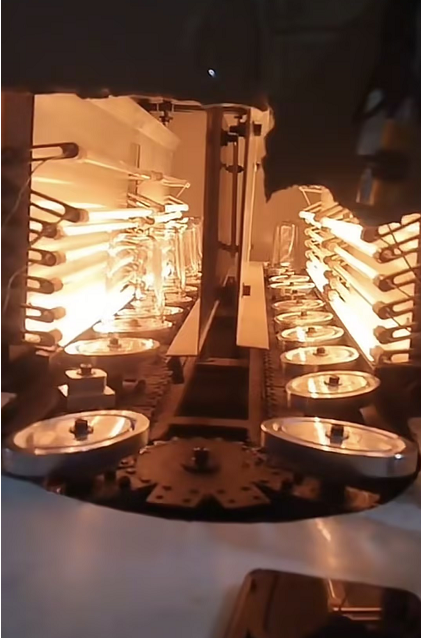
Cutting Through the Brand Tax on Husky Heating Elements
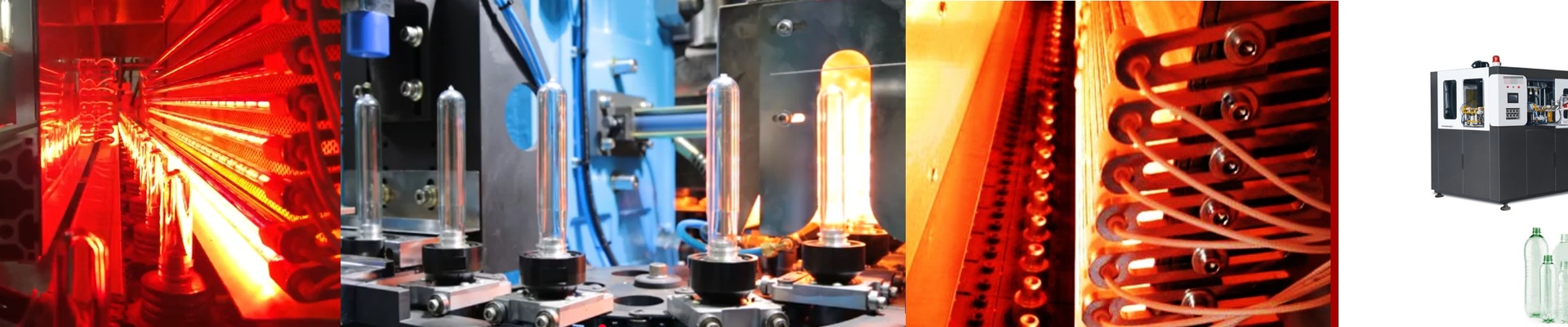
We’ve all been there. You need a new heating element for your Husky machine, and the “official” price feels like a joke. Here’s the truth: the basic science of heating hasn’t changed. You’re paying for a name, not some secret technology. Our approach is simple. We build our elements with the exact same high-grade materials—pure quartz and tungsten filaments—just without the logo tax. The result? Your machine gets back online, and your budget stays intact.
The Specs That Actually Matter
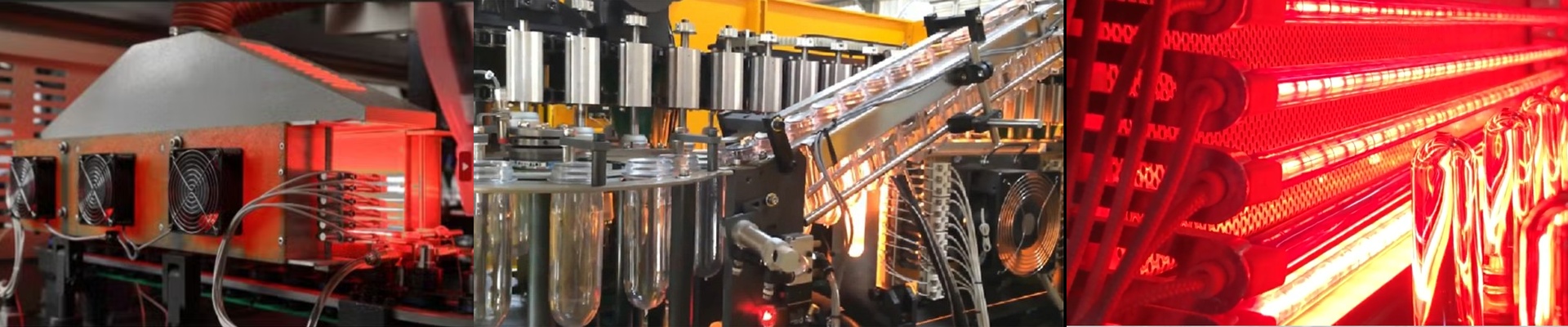
Husky machines are picky. They need a heating element that matches their exact electrical and physical requirements. So we make sure our replacements are a direct fit. Take a 400V, 2500W configuration, for example. It cranks out serious heat density, getting your machine hot fast. That’s crucial for keeping production moving. And the dimensions? They’re not just a suggestion. A standard 300mm tube length and 10mm diameter are what make it fit perfectly. Get that wrong, and the element won’t seat right. You’ll end up with poor heat transfer, and a headache.
Why Quartz and the R7s Connector Are Non-Negotiable
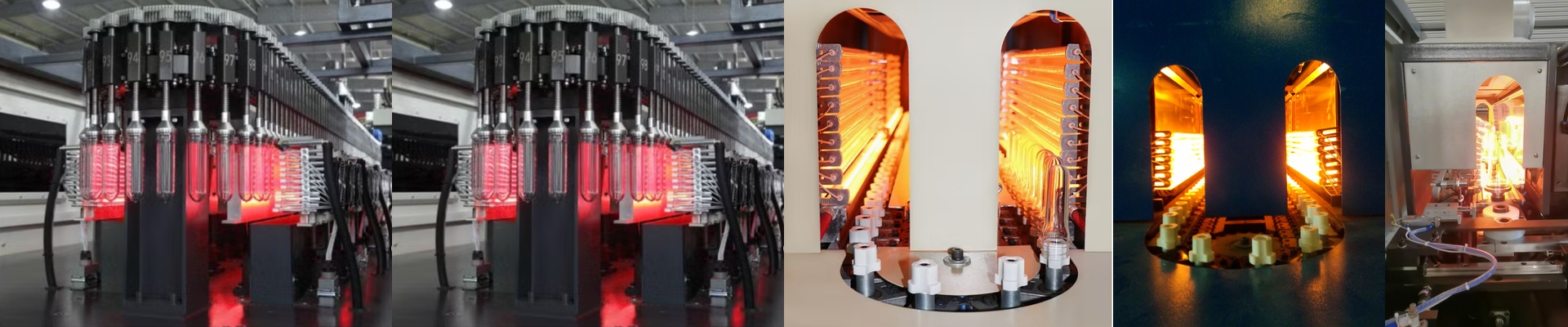
The quartz envelope isn’t just a random choice. It can handle the brutal shock of turning on and off without cracking. It also lets infrared heat pass through efficiently. Inside, the tungsten filament does the heavy lifting, and the halogen cycle keeps it clean, which helps the whole thing last longer. Then there’s the R7s connector. Its double-ended pin design locks the element into place, creating a solid connection that can handle the constant vibration of a running machine. This stuff is built for the shop floor, not a fancy presentation.
What This Means for You on the Factory Floor
At the end of the day, this setup means one thing: dependable uptime. The high-wattage density lets you focus heat exactly where you need it, whether you’re working with plastics or other materials. And installing it? It’s straightforward. Wire it up exactly like the original. But there is one thing to keep in mind. A 2500W element throws off a lot of heat. You need to make sure your machine’s cooling system is in good shape to handle the extra warmth. When it is, you get a tough, cost-effective solution that just works. No brand-name padding, just solid performance.