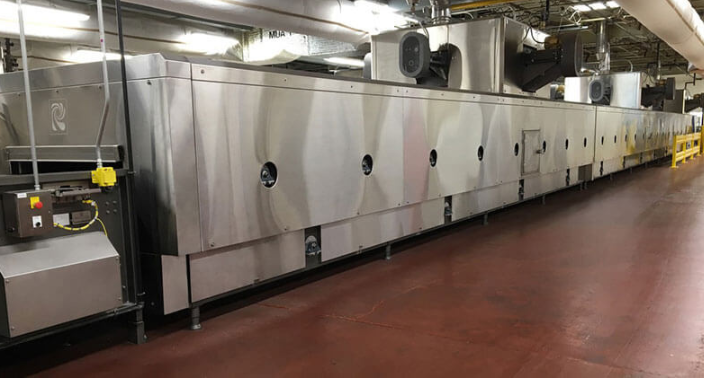
Stop Letting the Weather Ruin Your Oven Batches
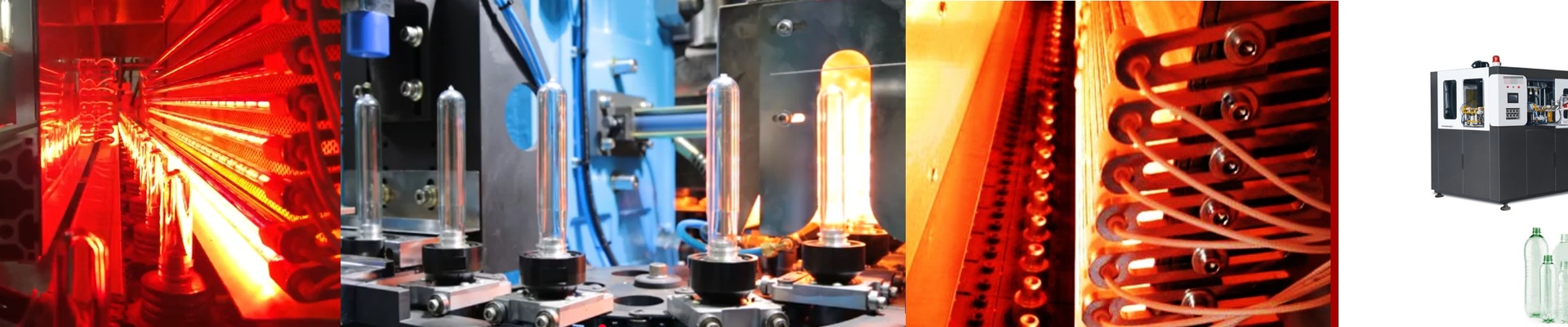
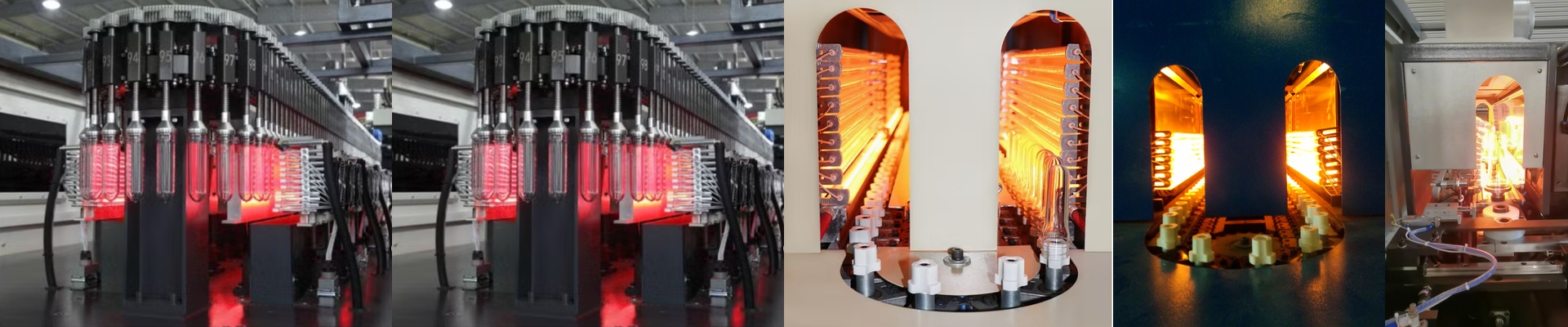
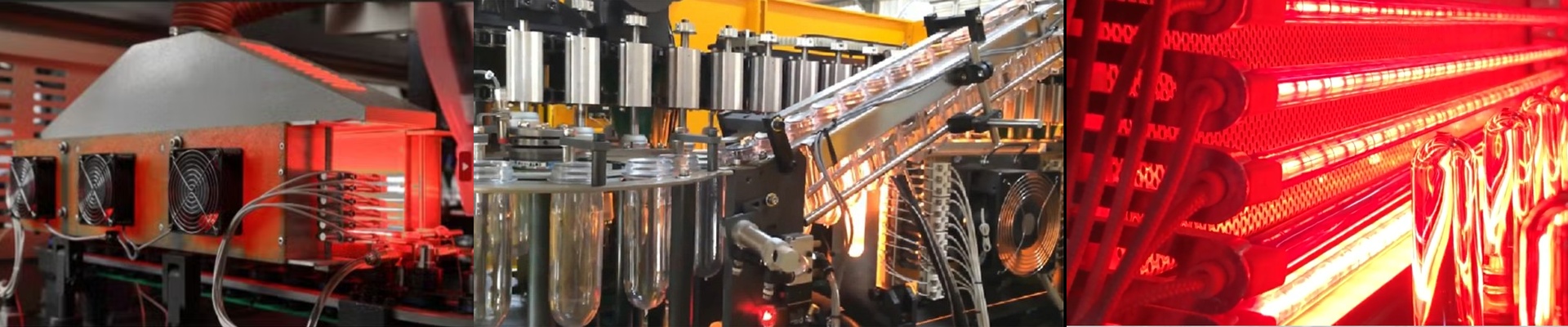
If your shop floor gets a 10-degree dip in the middle of winter, you know exactly what happens. Your oven starts fighting a losing battle against the cold, heat leaks out, and suddenly your consistency is gone. Most standard PID controllers just can’t keep up. They lag. By the time the system realizes it’s too cold, it overcorrects, and you end up with that frustrating “yo-yo” effect—overshooting and undershooting the temp until a whole batch is ruined. Here is how we actually fix this. We use infrared (IR) heat tubes. Now, traditional coils are slow because they have to heat the air first, which then heats your product. It’s a slog. IR tubes are different. They use radiation, which means the heat transfer is almost instant. When a sensor picks up a tiny dip in temp, the IR system kicks in with a quick burst of energy. It’s like a precision strike instead of a slow burn. The goal here is to stop that “sawtooth” temperature graph you see in cheaper ovens. You don’t want peaks and valleys; you want a flat, boring line. That’s where the magic happens. But there’s a catch. Fast heat can be dangerous if you aren’t careful. High-wattage IR tubes create intense heat zones. If your airflow isn’t dialed in, you’ll get hot spots that scorch your product. You’ve got to balance where the tubes sit with how much air your fans are actually moving (your CFM). It takes a bit of tweaking, but it’s worth it. One last tip on the wiring. Please, don’t use mechanical relays for this. They just can’t handle the rapid-fire clicking required for real-time compensation. They’ll burn out in a few weeks, and you’ll be right back where you started. Go with an SCR (Silicon Controlled Rectifier) instead. It modulates the power smoothly, which keeps everything stable regardless of whether it’s a heatwave or a blizzard outside your warehouse doors.