Getting the Perfect Crust: The Secret is in the Heat
If you’ve ever wondered why some pizzas have that perfect, charred, bubbly crust while others just feel… baked, it comes down to a bit of chemistry. You need that specific kind of browning—the Maillard reaction—to happen fast. If you just blast the dough with heat slowly, you’ll end up with a cracker. To stop that from happening, we use high-purity quartz heating tubes. They get the oven to the right temperature almost instantly, so the dough caramelizes without drying out.
Why Quartz?
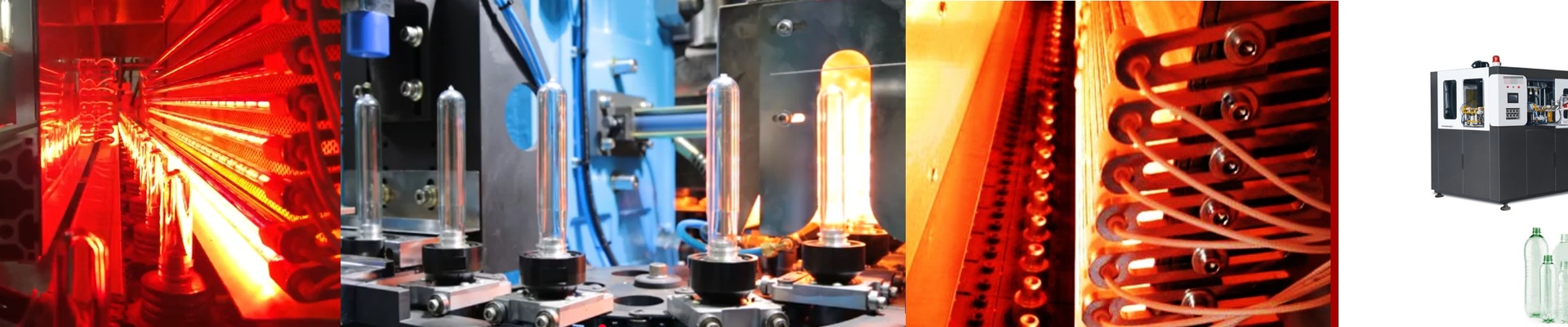
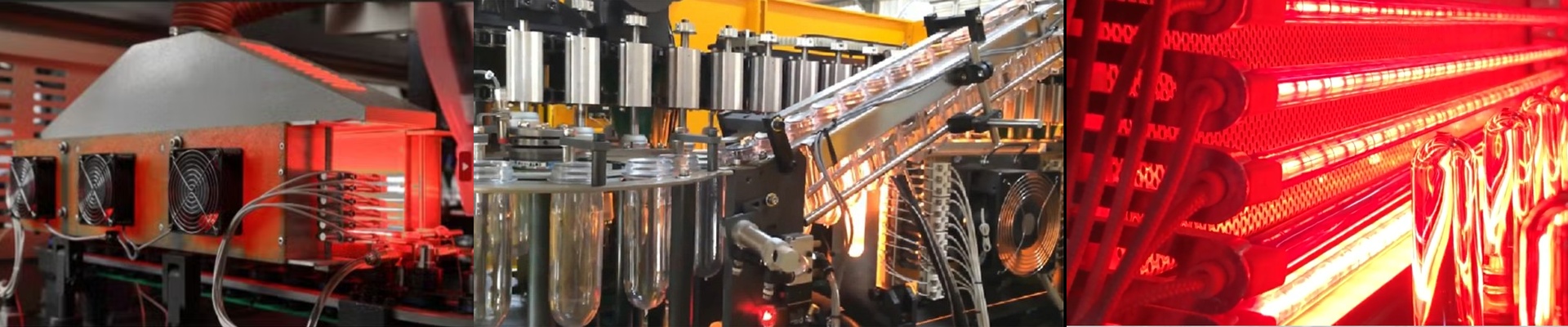
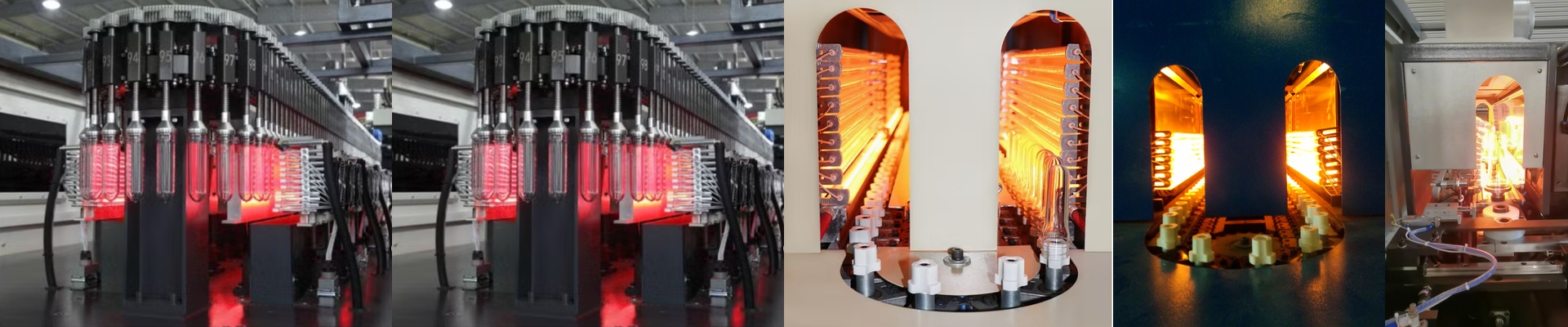
Here’s the thing: most ovens heat the air, and then the air heats the food. That’s too slow. Quartz tubes work differently. They send short-wave infrared radiation straight into the pizza. It’s a direct hit. When we design these for catering ovens, we look closely at the wattage-to-length ratio. The higher the density, the faster the oven hits its target. It’s the only way to avoid that dreaded “soggy middle.” You sear the outside immediately, locking everything in.
The Gritty Details
We use fused quartz because it’s tough. I mean really tough. Imagine a heating element jumping to 800°C while the rest of the oven is still cooling down. Regular glass would just shatter. Quartz handles that kind of thermal shock without breaking a sweat. Since these are drop-in replacements, the fit has to be spot on. If they’re off by a fraction, they’ll rattle in the housing, and nobody wants that noise in a busy kitchen. And a quick tip: check your connectors. Whether you’re using R7s or specialized pins, make sure they’re snug. A loose fit causes arcing, and arcing fries your socket. It’s one of the most common headaches we see in high-volume shops.
Keeping Things Running
Now, while quartz is powerful, it’s a bit picky. Kitchens are messy. You’ve got flour dust and grease splattering everywhere. If that gunk builds up on the tubes, it creates “hot spots.” Those spots put stress on the quartz, and eventually, the tube will crack. Keep them clean. It’s the only way to make sure your heat is spread evenly across the stone. One last thing—don’t skimp on ventilation. If the oven housing can’t breathe and dump that heat, you’re going to fry your control board. And that’s a repair nobody wants on a Friday night.