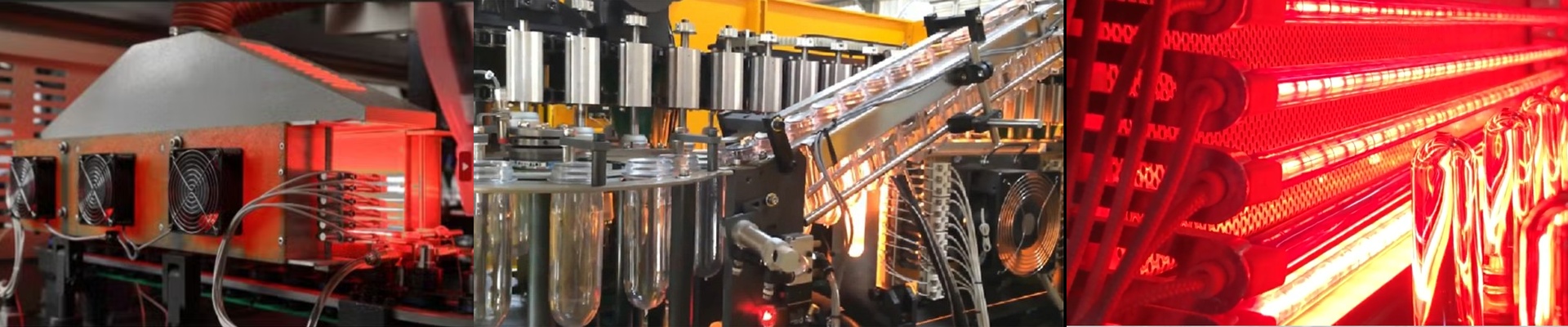
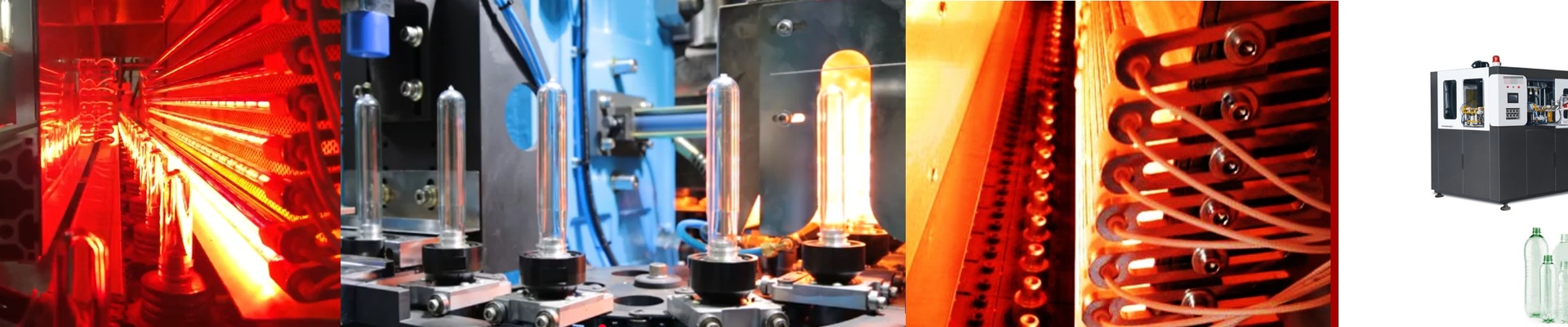
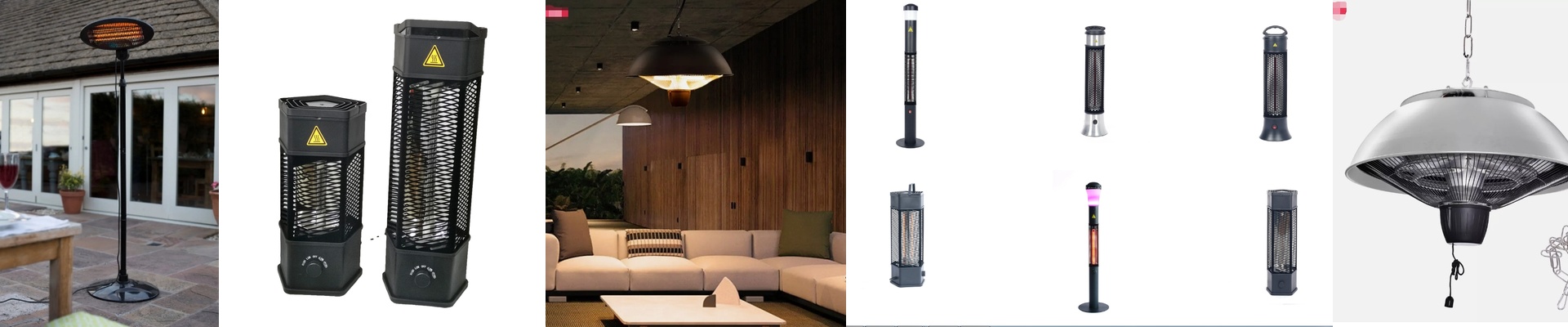
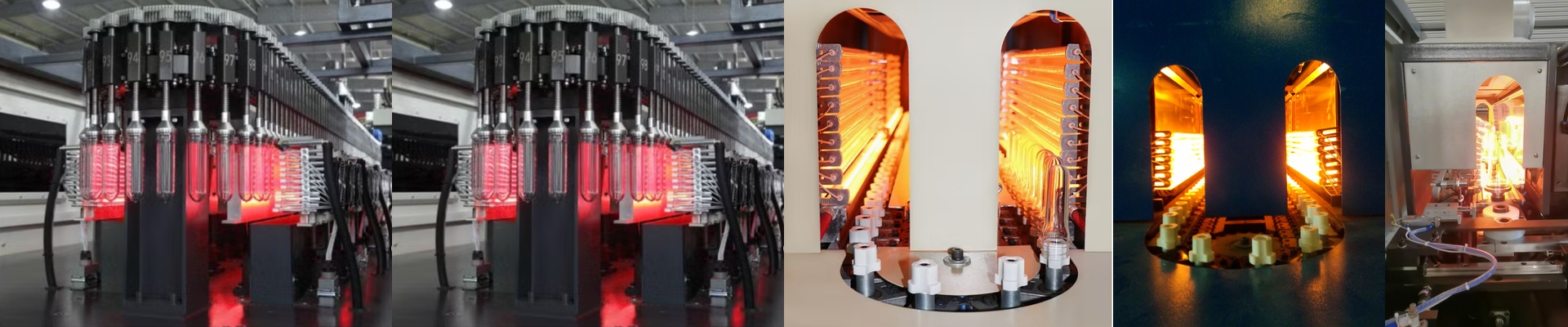
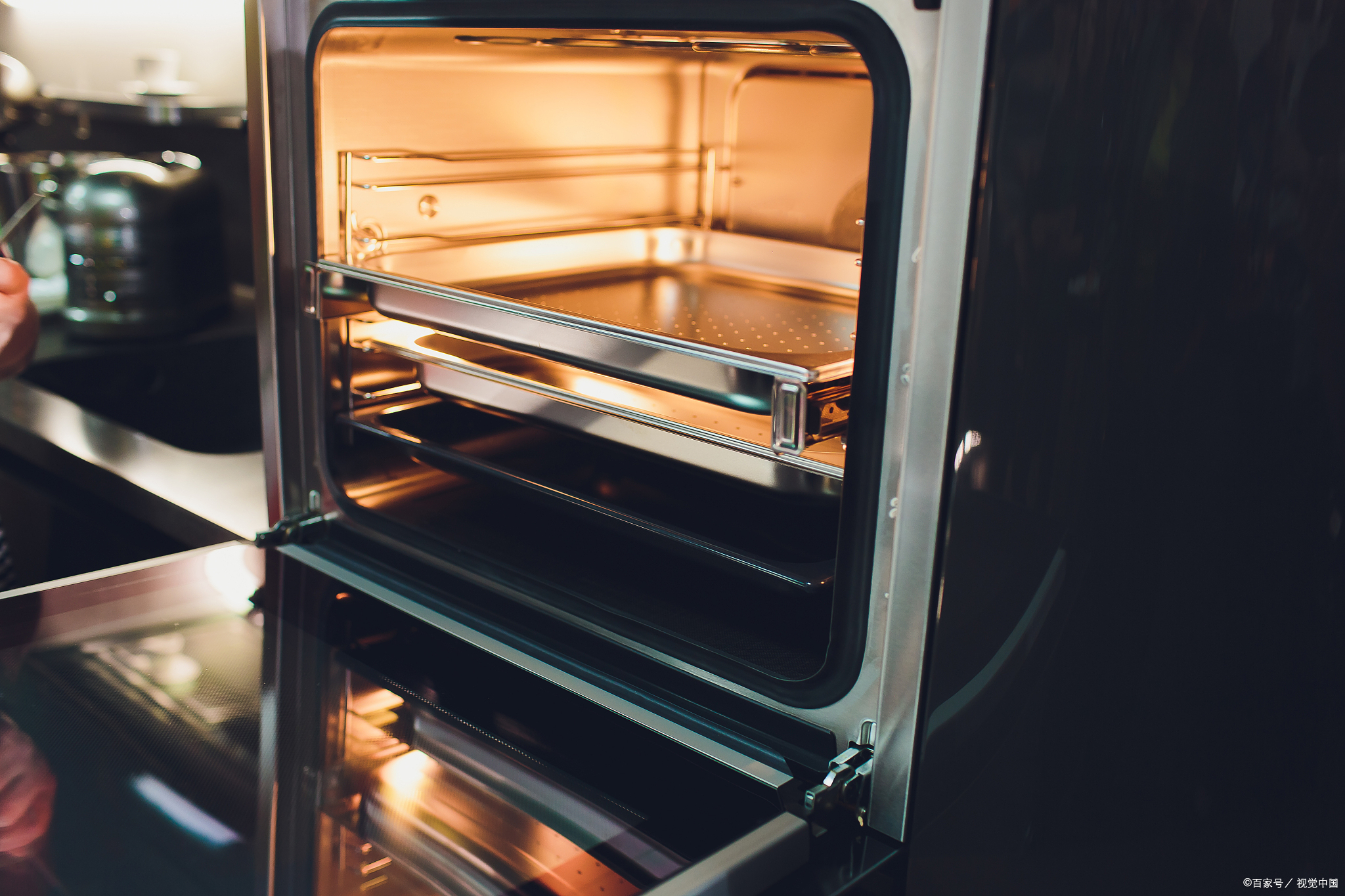
When the rush hits, that warming station is your quality checkpoint. If the heat is weak or uneven, you end up with food drying out on one side and going cold on the other—bread loses its spring, proteins tighten up, and sauces break. What you need is heat that holds steady, snaps back fast, and spreads evenly across the pan. What matters under the hood The twin-tube thermal element runs on two parallel, high-efficiency tubes that deliver balanced radiant and convective heat. That geometry lays the heat across the warming deck without hot spots, so pans come up even. Recovery is quick—full operating temperature in seconds, not minutes—so you can load and hold without waiting around. It runs on standard commercial voltage, pulls a predictable load, and drops into existing warming station chassis with simple terminal connections. You get tight temperature stability within a narrow band, which is exactly what you need when you’re holding delicate items at safe holding temps without overcooking them. Why it fits the workflow On a busy line, you want food that tastes like it just came off the deck oven—crisp outside, moist inside, colors true. The twin tube’s even heat profile keeps crusts from sogging, keeps caramelization from going flat, and protects the texture you built during prep. Fast warm-up means shorter gaps between batches, and stable holding cuts down on overcooking and waste. Over a shift, that means fewer rejected plates, faster ticket times, and lower energy use per hour compared to older single-tube setups. The practical details Installation is straightforward, but clearance is the thing. The twin tube needs proper spacing from pans and walls to prevent localized overheating and to let air move. Before you order, verify your warming station’s mounting points and terminal block rating. Plan for routine cleaning and inspection—grease and crumbs build up fast. Keeping the tubes clear preserves even heat and extends service life.