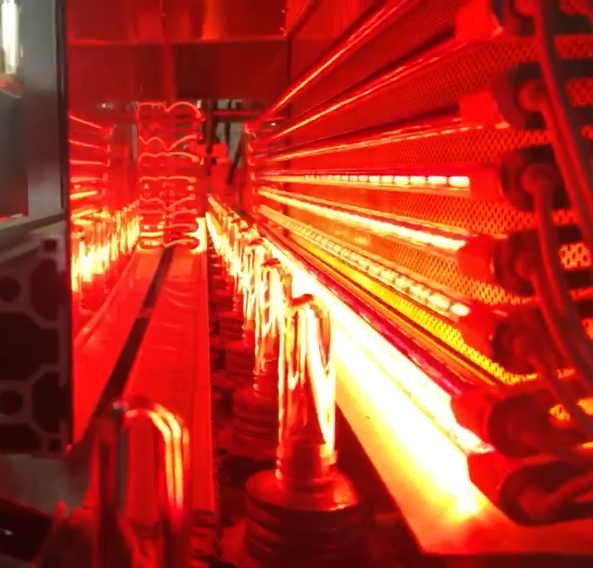
Fixing those annoying heat spots in your KHS blow molding lines
Ever pull a batch of PET bottles off the line and see that weird “pearling” or a base that looks totally distorted? It’s frustrating. Usually, it comes down to one thing: your heat distribution is off. When your preforms aren’t heating evenly, you get thin walls in some spots and structural weak points in others. We see this all the time. It happens when old lamps start to fade or when you swap in replacements that just don’t put out the same kind of heat as the originals.
How we actually get the heat right
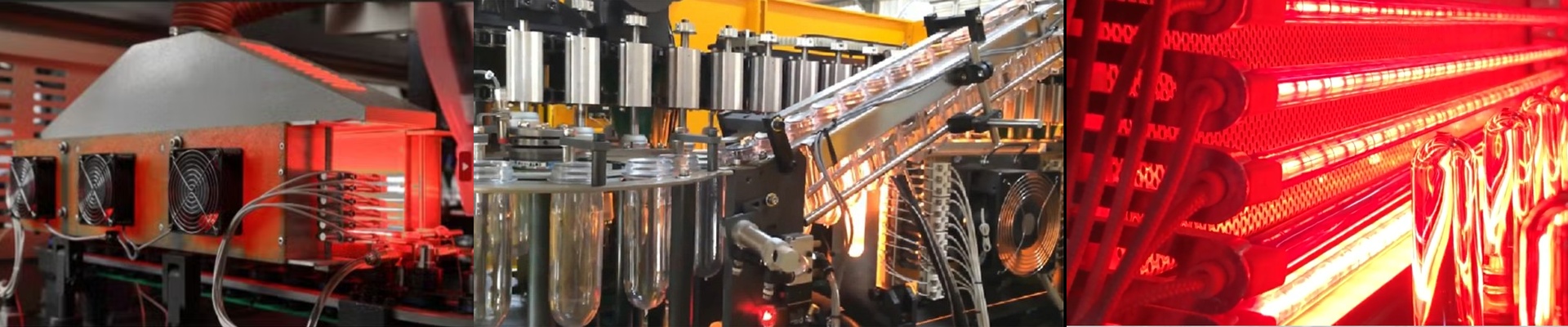
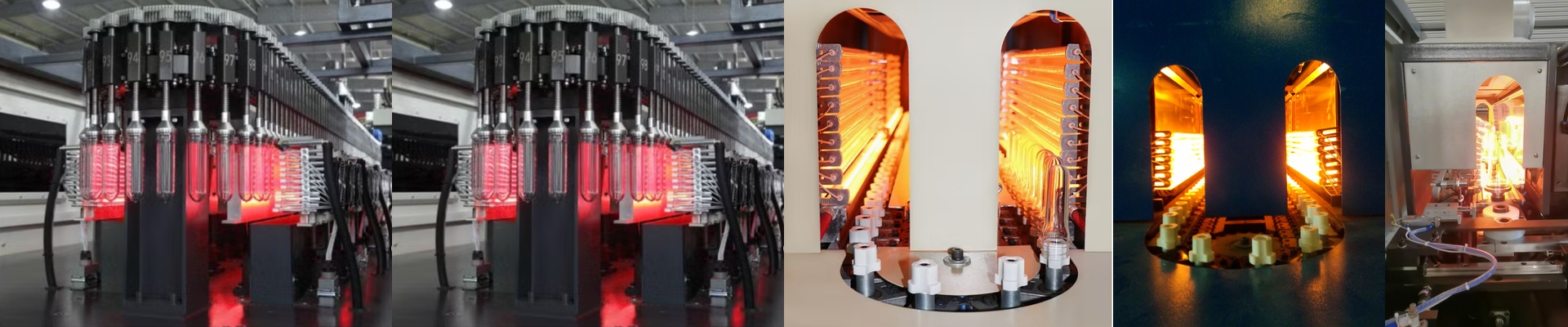
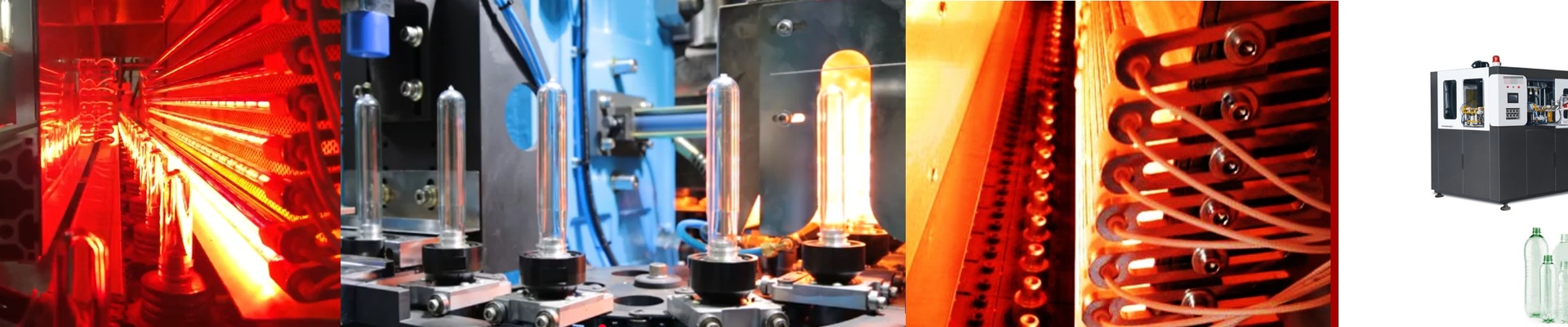
Getting a flat heat profile isn’t magic—it’s just about the infrared wavelength. We design our replacement quartz lamps for KHS systems to hit the exact spots where PET absorbs heat best. Plus, we use high-purity quartz. Why? Because cheap glass warps when you crank up the wattage. Here is the secret sauce: filament winding density. Most lamps have a “dead zone” near the sockets where the heat drops off. To fix that, we tighten the coil pitch at the ends of the tube. It ensures the preform gets a consistent hit of energy from top to bottom. No more cold spots.
Getting them into your machine
These are simple drop-in replacements. We build them to match KHS electrical specs—usually R7s or Sk15 connectors—so they just click into place. Whether you’re running a high-voltage setup or something standard, we balance the wattage so you aren’t burning through bulbs every few weeks. And if you’re looking for more speed, we’ve got coated options. These tubes reflect some of the heat back into the preform. It cranks up the energy density, which means you can shave time off your cycles.
A quick heads-up on the trade-offs
More heat is great, but it comes with a catch. When you push more wattage into a small space, the inside of your oven gets hot. Really hot. This is where you need to be careful. Check your ventilation and make sure your cooling blowers aren’t clogged with dust. If your airflow is choked, those high-output lamps can end up baking your reflectors or frying the surrounding wiring. Keep it cool, and your gear will last much longer.