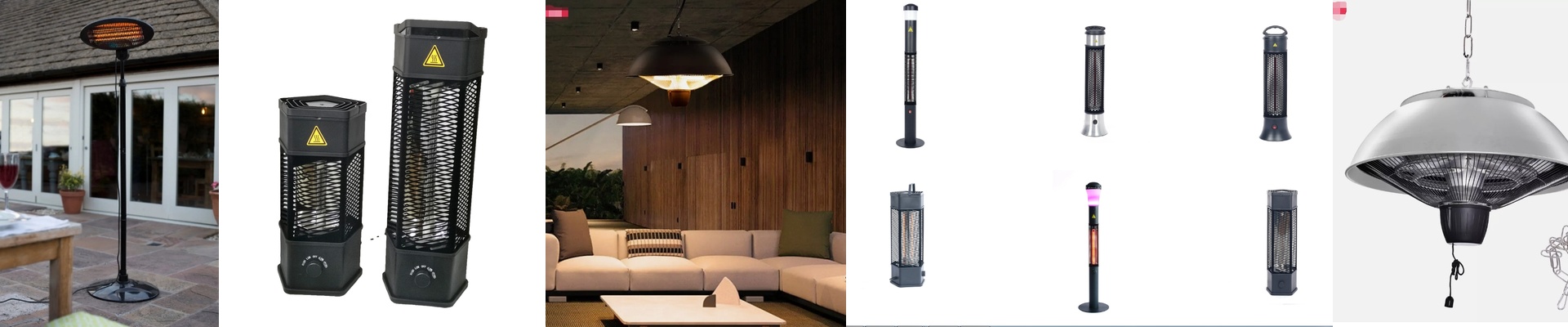
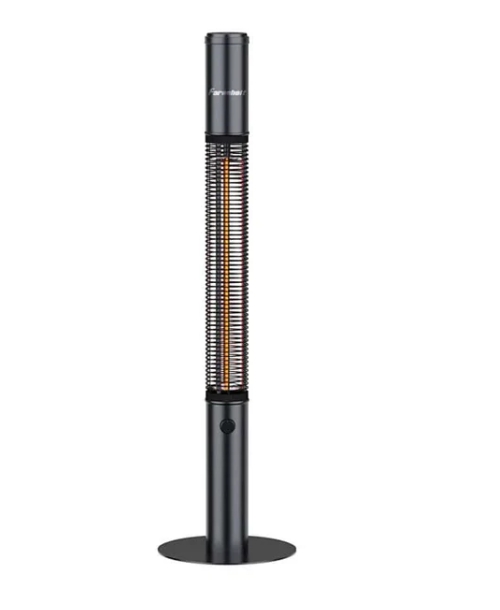
A freestanding fireplace is supposed to make an outdoor evening feel comfortable, not turn it into a fight against the dropping temperature. When the air cools fast, the heater has to throw steady radiant heat the second you need it. That reliability doesn’t happen by luck. It starts on the factory floor, where every unit gets a full-power, 100% aging burn-in.
What matters under the hood
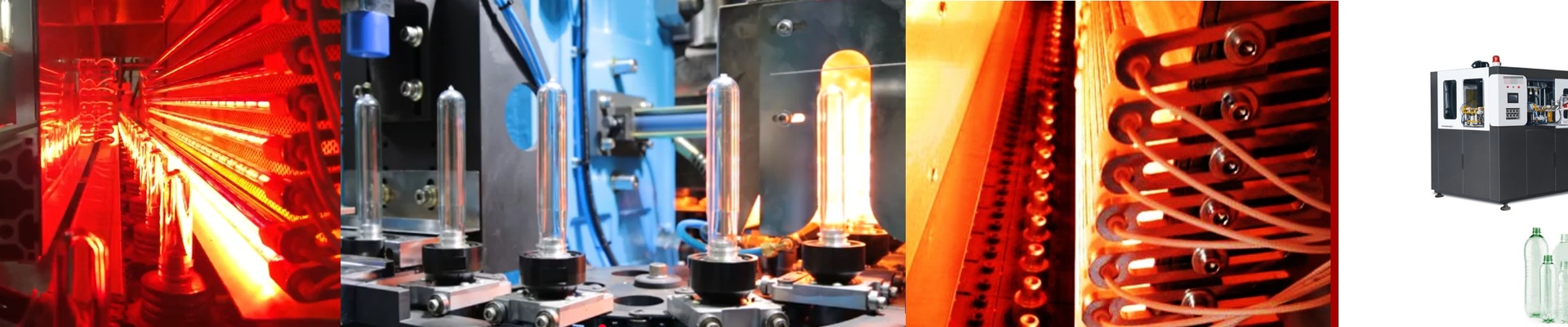
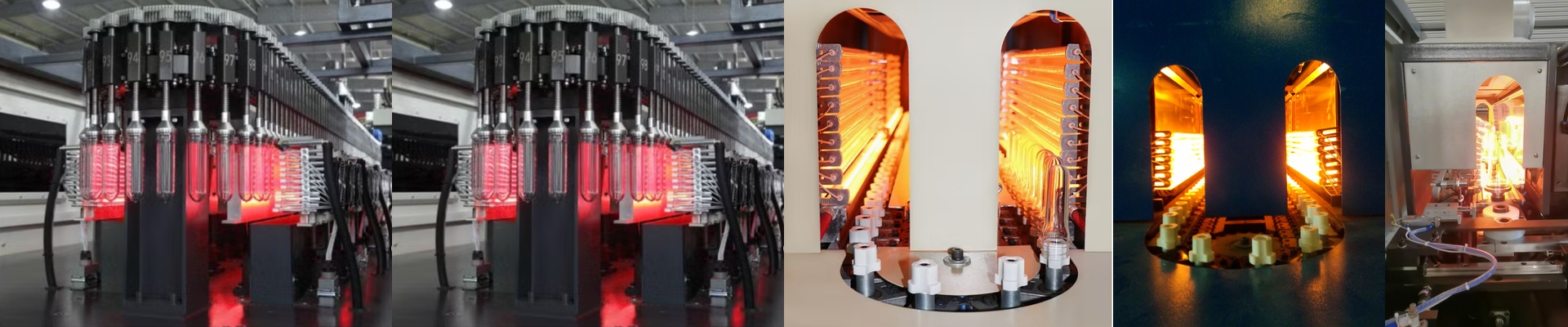
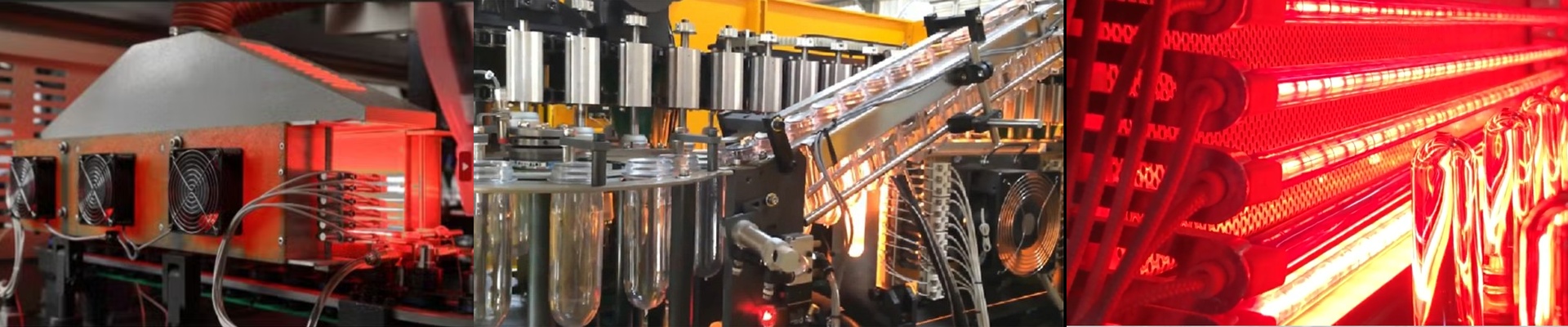
We build these heaters around infrared radiant technology, with a high-output element that warms people and surfaces directly—instead of trying to heat all the air around them. The payoff is immediate comfort and far less heat lost to wind. During the burn-in, each unit runs at its rated power while we continuously monitor current draw, temperature stability, and thermostat response. This is how we catch early-life weak points—loose connections, inconsistent elements, or control-board issues that a quick spot check would miss.
Why this matters in the real world
For you, that factory discipline means fewer surprises. The heater fires up strong, holds its heat curve, and keeps performance steady season after season. In practice, that translates to fewer service calls and less downtime when guests are already seated. You get consistent comfort even when the evening temperature takes a sharp dive. It also helps control energy use, because the system operates the way it was designed—stable output, predictable cycling, and no hidden drift that quietly adds to running costs.
What you need to keep straight
Radiant heat warms objects and people directly, so placement matters. Keep the heater stable and upright, and respect clearances to furniture, curtains, and any combustible materials. Most models are intended for covered outdoor areas. In exposed, windy spots, performance will vary, and an enclosed shelter may be necessary. Always confirm the voltage and outlet type match the unit. If you do run an extension cord, keep it short and properly rated—otherwise you risk voltage drop and unexpected shutdowns.