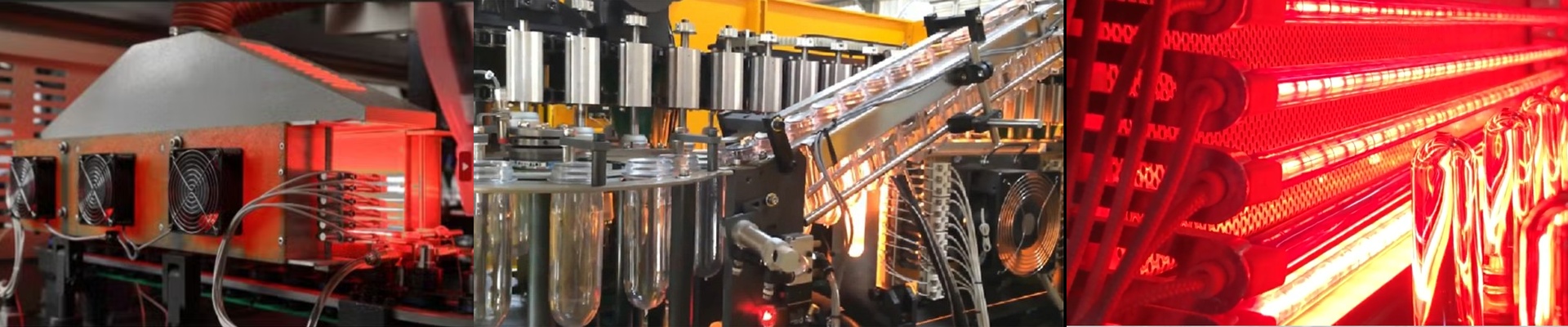
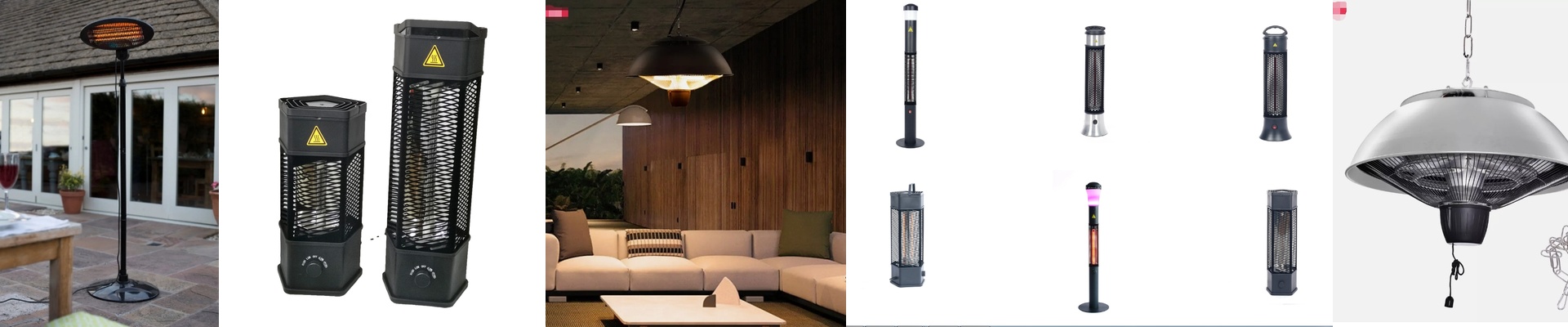

A semi-open commercial corridor is a study in contrasts. It feels open and welcoming, but the winter wind turns it into a moving cold pocket. Getting it comfortably warm without wasting energy isn’t guesswork. It’s about delivering infrared warmth exactly where and when it’s needed.
What matters, technically
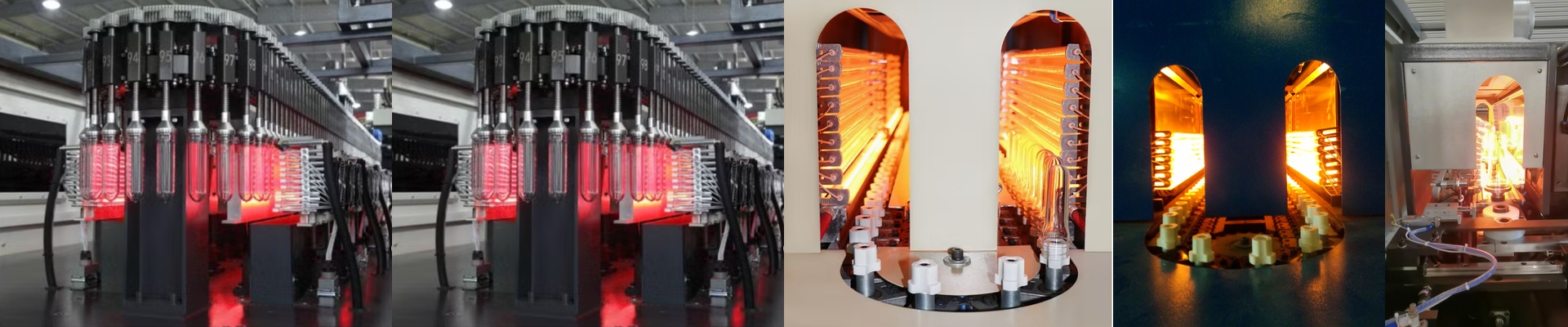
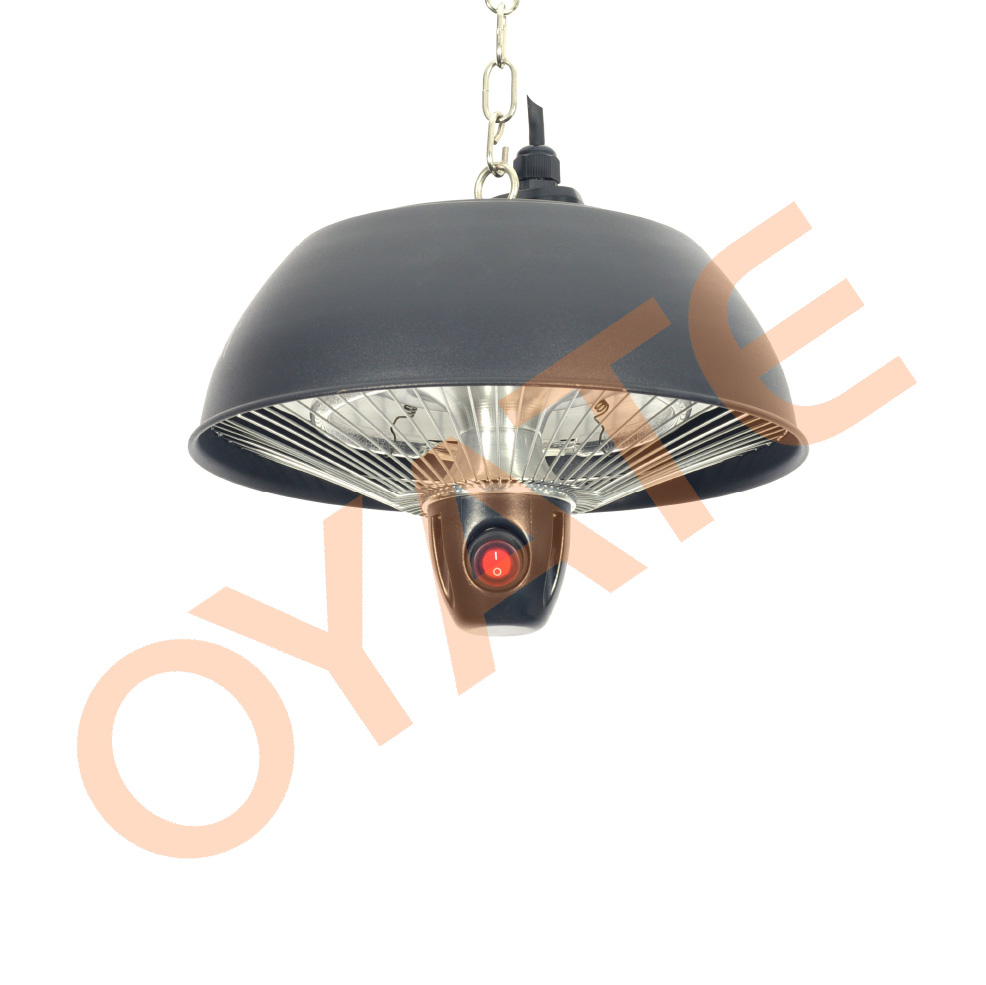
We lean on short-wave infrared heating, with quartz tubes or carbon fiber elements that emit radiant heat. It warms people and surfaces directly, not the air, so you feel comfort almost instantly and lose less heat to drafts. Smart sensors pick up motion and ambient temperature, so the unit kicks on when foot traffic arrives and backs off when the space is quiet. You get localized warmth without the steady hum and energy draw of forced-air systems. For most commercial setups, 120V or 240V electric models are straightforward to wire, and many carry an IP rating for protection against dust and moisture.
Why it works here
The challenge in a semi-open corridor is constant air exchange. Traditional heaters keep chasing warm air that’s always escaping. Infrared heats the bodies moving through, so comfort hits within seconds. Smart sensing keeps the system from running full-time when the corridor is empty, which helps keep energy bills down and the carbon footprint smaller. For business owners, that translates to a more consistent guest experience, lower operating costs, and an easier run at eco-friendly operations.
The details that make the difference
Install for line-of-sight: the heater needs a clear view of the walking path to lay warmth evenly. Clearances matter for both safety and performance, and the thermostat or occupancy sensor has to read real conditions, not a drafty corner. You’ll get a bit of radiant glare from the element. Positioning and shielding keep it unobtrusive. And if you’re in a very windy spot, a fully enclosed model or added wind baffles helps maintain consistent output.