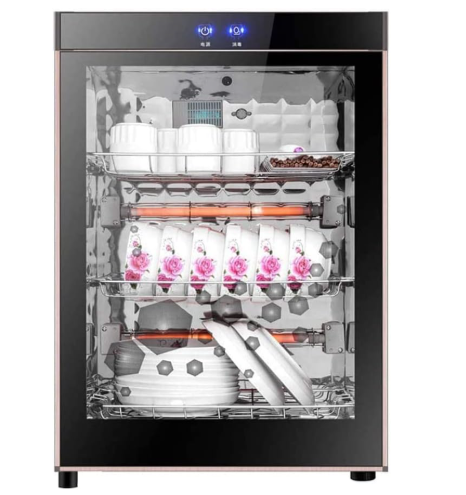
When lunch hits and the line backs up, your snack machine’s heating system can’t afford to wander. A tired or weak quartz tube kills recovery, leaves product under-crisped, and makes the thermostat chase the temperature. You see it on the tickets: slow service, uneven batches, and energy going out the door.
What’s actually important
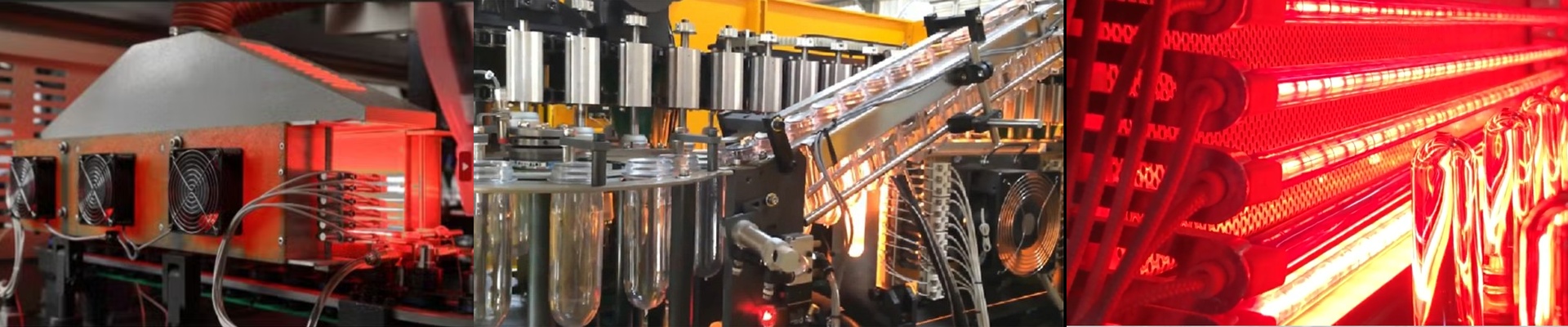
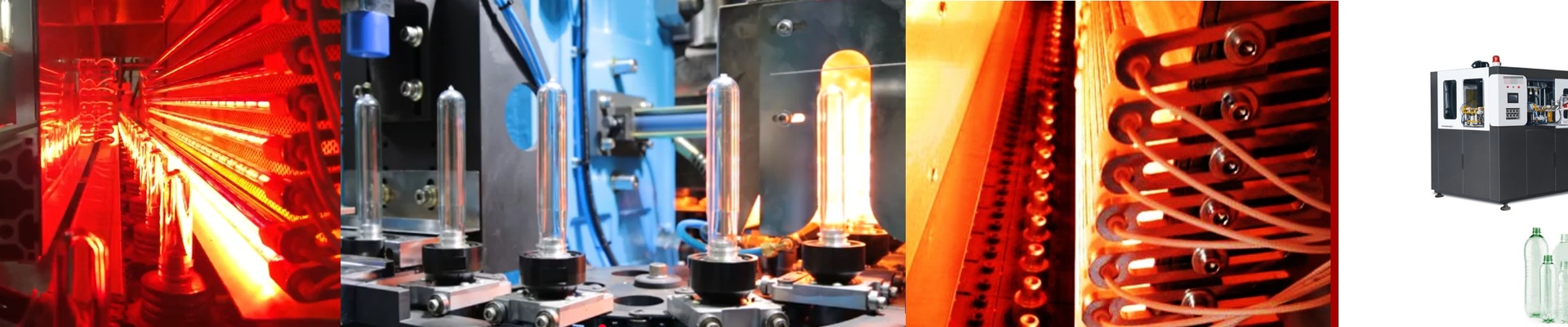
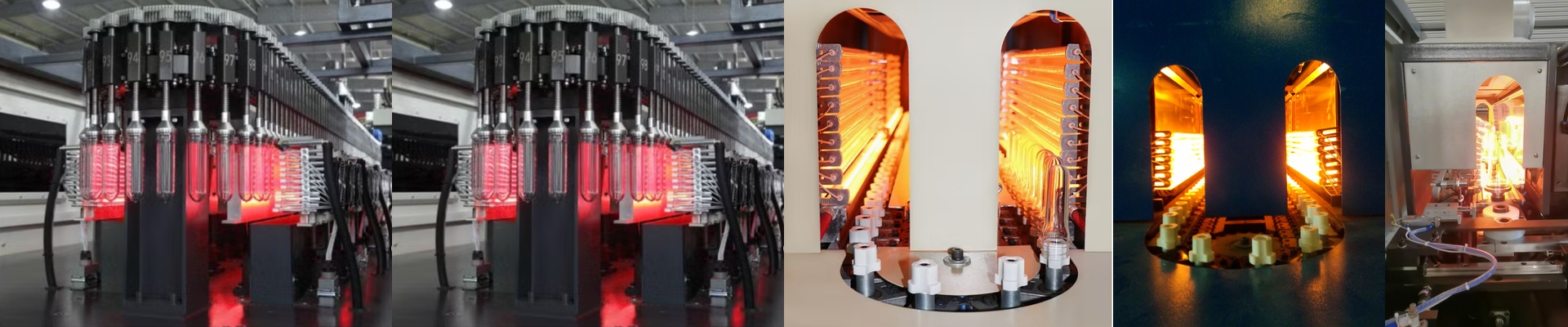
We build this replacement around short-wave infrared because it snaps up to temperature and gives you tighter control. That fast response gets the baking chamber back to setpoint fast after the door opens and closes. The quartz envelope runs hot and clean, handles thermal shock, and keeps output steady through the constant on/off of a busy shift. The standard lineup covers the common voltages and wattages in commercial snack machines, with lengths and end-fits that match the original mounting and alignment.
Why it holds up in a real service day
In a busy cafe, the machine gets asked to do a lot at once: finish a pizza slice, crisp a pastry, and hold prepared items at a safe temperature. Short-wave infrared hits the product surface directly, so you get the browning and texture customers expect without drying the interior out. Recovery stays quick during rushes, so ticket times stay tight and the menu tastes the same from the first order to the last. Energy use drops because the element comes up fast and spends less time idling.
What you need to get right
Match the voltage and wattage to the machine’s rating, and make sure the tube ends and brackets are the same as your original. Quartz runs hot, so keep airflow around the housing and keep the reflector clean for even heat spread. You’ll get strong output, but plan on routine inspection—quartz can get brittle after repeated thermal cycles, and it’s time to replace at the first sign of discoloration or weak heat.